How AI Hiring and Workplace Monitoring Can Lead to Disability Discrimination

Artificial intelligence is transforming the workplace. Employers increasingly rely on automated systems to screen job applicants, monitor employee productivity, evaluate performance, and even make recommendations regarding promotions or terminations. While these technologies promise efficiency, they also raise important legal concerns.
A disability discrimination lawyer may increasingly encounter situations where artificial intelligence tools contribute to employment decisions that negatively affect workers with disabilities. Although technology itself is not inherently discriminatory, employers can face legal liability when automated systems create barriers for qualified employees or applicants with disabilities.
At Azadian Law Group, PC, we closely follow emerging employment law issues affecting California workers. As AI becomes more deeply integrated into hiring and workplace management, employees should understand how these systems may impact their rights.
Artificial Intelligence Is Already Being Used in the Workplace
Many employees are surprised to learn how frequently artificial intelligence influences workplace decisions.
Modern employers may use AI systems to:
- Screen job applications
- Analyze resumes
- Rank candidates
- Evaluate employee productivity
- Monitor communications
- Track attendance patterns
- Assess performance metrics
- Recommend disciplinary action
In some organizations, managers may rely heavily on automated recommendations when making employment decisions.
While technology can improve efficiency, employers remain responsible for ensuring their employment practices comply with California and federal anti-discrimination laws.
What Is Disability Discrimination?
Disability discrimination occurs when an employee or job applicant is treated unfairly because of a protected disability.
A disability discrimination claim may arise when an employer:
- Refuses to hire a qualified applicant because of a disability
- Terminates an employee due to a disability
- Fails to provide reasonable accommodations
- Retaliates against an employee for requesting accommodations
- Uses policies that disproportionately disadvantage individuals with disabilities
The use of artificial intelligence does not eliminate these legal obligations.
Employers generally cannot avoid responsibility simply because a computer system participated in the decision-making process.
How AI Hiring Tools Can Create Problems
Many employers now use AI-powered recruiting platforms to process large numbers of applications.
These systems may evaluate candidates based on:
- Resume content
- Employment history
- Communication patterns
- Online assessments
- Interview responses
- Behavioral indicators
Although designed to improve efficiency, these tools may unintentionally disadvantage certain individuals.
Automated Resume Screening
Some systems automatically rank or reject applicants based on predefined criteria.
Problems may arise when:
- Employment gaps are penalized
- Medical leave histories indirectly affect rankings
- Nontraditional career paths receive lower scores
- Accommodation-related disruptions impact candidate evaluations
Individuals with disabilities often have unique employment histories that may not fit neatly into automated scoring systems.
Video Interview Analysis
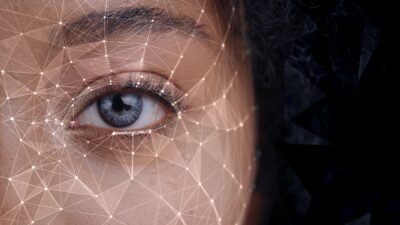
Certain platforms analyze:
- Facial expressions
- Eye movements
- Speech patterns
- Tone of voice
- Body language
For individuals with disabilities, these assessments may create significant concerns.
Conditions affecting speech, mobility, facial expressions, neurological function, or communication styles may influence how automated systems evaluate candidates.
An AI system may incorrectly interpret disability-related characteristics as negative performance indicators.
The Hidden Risks of Workplace Monitoring Software
Artificial intelligence is not limited to hiring.
Many employers now use workplace monitoring tools to track employee activity.
Examples include:
- Keystroke tracking
- Screen monitoring
- Productivity scoring
- Attendance analytics
- Communication monitoring
- Workflow analysis
While employers may have legitimate business interests, excessive reliance on automated monitoring can create legal risks.
Productivity Metrics May Not Tell the Whole Story
Employees with disabilities may perform their jobs effectively while working differently from their coworkers.
For example:
- An employee with ADHD may use a different workflow.
- An employee managing anxiety may take short breaks to remain productive.
- An employee with a chronic medical condition may work efficiently despite periods of reduced activity.
AI systems that focus exclusively on productivity metrics may fail to account for legitimate accommodations or disability-related needs.
Wearable Technology and Employee Tracking
Some employers have begun experimenting with wearable devices designed to monitor employee activity.
These technologies may collect information regarding:
- Movement
- Physical activity
- Location
- Work patterns
- Biometric data
While these tools may improve workplace efficiency, they also create concerns regarding privacy, accommodations, and potential discrimination.
Employees with disabilities may have limitations that affect activity levels or movement patterns.
An automated system that interprets those differences negatively could contribute to unfair employment decisions.
When AI and Disability Accommodations Collide
One of the most significant concerns involves reasonable accommodations.
California employers generally must provide reasonable accommodations to qualified employees with disabilities unless doing so would create undue hardship.
Problems may arise when AI systems fail to account for accommodations.
For example:
Flexible Scheduling
An employee may have an approved modified schedule.
An automated attendance system could incorrectly flag that employee for attendance issues.
Additional Breaks
Employees with approved accommodations may require periodic breaks.
Productivity tracking software may interpret those breaks as reduced performance.
Remote Work Arrangements
An employee with a disability may receive permission to work remotely.
Monitoring software may compare that employee against metrics designed for in-office workers.
Without appropriate safeguards, technology can undermine accommodations that employers are legally required to provide.
Can AI Contribute to Wrongful Termination?
Artificial intelligence itself cannot terminate an employee.
Employers, however, may rely heavily on AI-generated recommendations when making employment decisions.
Potential concerns arise when:
- Performance scores are inaccurate
- Disability-related limitations affect evaluations
- Accommodations are ignored
- Automated rankings influence termination decisions
A wrongful termination claim may become relevant if an employee is fired based on biased or flawed systems that fail to account for protected disabilities.
The fact that technology played a role does not automatically shield employers from liability.
Real-World Examples of Potential AI Bias
Although every situation differs, the following examples illustrate potential concerns.
Example 1
A candidate with a speech-related disability participates in an AI-analyzed video interview.
The software interprets communication differences negatively and lowers the applicant’s ranking.
Example 2
An employee with PTSD receives approved accommodation-related breaks.
Productivity software flags the employee as underperforming because the system measures activity rather than actual job performance.
Example 3
An employee recovering from a medical condition works remotely under an approved accommodation.
Attendance analytics incorrectly categorize the employee as less engaged than coworkers.
In each scenario, the issue is not the technology itself but how it is used and whether employers adequately evaluate potential bias.
California Employment Laws Still Apply
Some employers assume advanced technology provides protection from legal challenges.
It does not.
California employment laws generally continue to apply regardless of whether decisions are made by:
- Managers
- Human resources personnel
- Consultants
- Artificial intelligence systems
Employers remain responsible for ensuring their workplace practices comply with anti-discrimination requirements.
Technology cannot be used as an excuse for unlawful employment decisions.
Attorney Insight: What Employees Should Watch For
Many workers focus on obvious forms of discrimination.
Modern workplace technology creates more subtle risks.
Employees should pay attention when:
- Automated evaluations seem inaccurate
- Accommodation requests are ignored
- Performance concerns arise after implementation of new monitoring tools
- Disciplinary actions rely heavily on software-generated reports
As artificial intelligence becomes more common, employment disputes involving technology are likely to increase.
Understanding your rights today may help protect you tomorrow.
Why This Issue Will Continue to Grow
Artificial intelligence is rapidly expanding throughout the employment landscape.
More employers are expected to adopt:
- Automated hiring systems
- Productivity analytics
- Workplace surveillance tools
- Predictive performance software
As adoption increases, legal questions surrounding fairness, accommodations, privacy, and discrimination will likely become even more important.
Employers that fail to evaluate potential risks may face significant legal exposure.
Why Employees Turn to Azadian Law Group, PC
Employment law continues to evolve alongside technology.
At Azadian Law Group, PC, we represent California employees in matters involving:
- Disability discrimination
- Wrongful termination
- Workplace retaliation
- Failure to accommodate
- Employment law violations
- Emerging workplace technology disputes
Employees should not lose legal protections simply because employment decisions are influenced by algorithms or automated systems.
If you believe technology played a role in unfair treatment at work, speaking with an experienced California employment attorney may help you better understand your rights.
Frequently Asked Questions
Can AI discriminate against employees with disabilities?
AI systems can create biased outcomes if they are designed, implemented, or used in ways that disadvantage individuals with disabilities.
Is it legal for employers to use AI in hiring?
Employers may use AI tools, but they generally remain responsible for complying with applicable anti-discrimination laws.
Can workplace monitoring software affect disability accommodations?
In some situations, monitoring tools may conflict with approved accommodations if employers fail to account for disability-related needs.
What if an AI system contributes to my termination?
Employers generally remain responsible for employment decisions even when technology influences the process.
Can an employer deny accommodations because of software limitations?
Employers generally cannot avoid legal obligations simply because their technology systems are not configured to accommodate employees properly.
Should employees be concerned about workplace surveillance?
Employees should understand how monitoring tools are used and whether those tools affect workplace evaluations, accommodations, or disciplinary decisions.

Alexia is the author at Research Snipers covering all technology news including Google, Apple, Android, Xiaomi, Huawei, Samsung News, and More.