What to Look for in a Food Processing Equipment Distributor
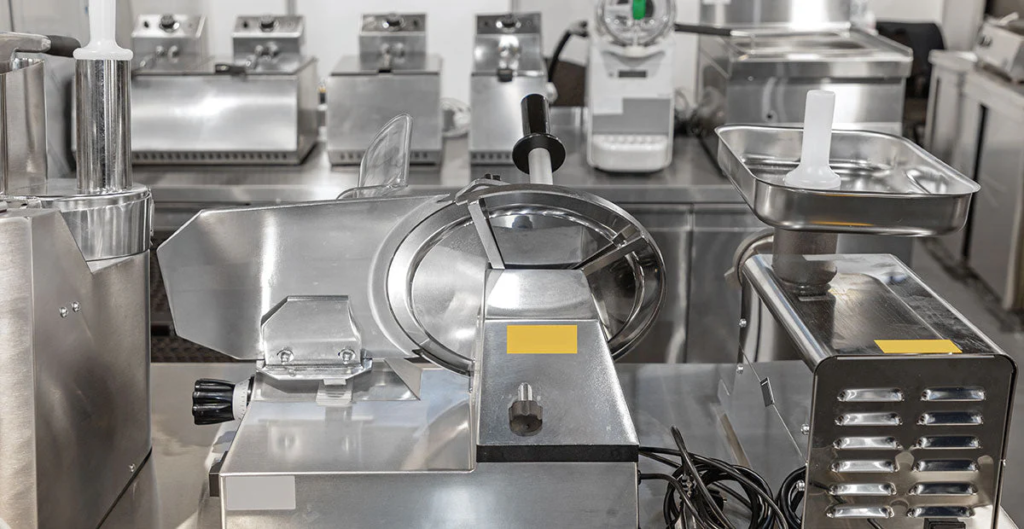
Whether you run a large-scale food production facility or a small artisan bakery, finding the right food processing equipment distributor is one of the most important decisions your business will make. The equipment you source directly impacts your output capacity, product consistency, hygiene compliance, and ultimately your bottom line. Yet the process of finding a reliable distributor can be confusing — especially when you’re navigating a crowded market with varying levels of quality, transparency, and after-sales support.
This guide breaks down what to look for, what questions to ask, and how to make sure you’re working with a distributor who genuinely has your best interests at heart.
Why Your Choice of Food Processing Equipment Distributor Matters
The food industry operates under strict regulatory standards. The machinery you use must meet food-grade hygiene requirements, be capable of handling your specific throughput demands, and be maintained to a standard that keeps production running without costly downtime. A reputable food processing equipment distributor understands all of this — they’re not just selling you a machine, they’re supporting your entire production operation.
A poor choice of distributor can leave you with equipment that’s incompatible with your workflow, difficult to source parts for, or simply not fit for purpose in a food-safe environment. On the other hand, partnering with the right distributor means gaining access to a wide range of machinery, expert guidance, competitive pricing, and a long-term relationship you can rely on as your business grows.
Core Equipment Categories a Quality Distributor Should Cover
Not every food production business has the same needs. A quality food processing equipment distributor should carry a broad range of machinery across multiple categories, so you can source what you need in one place without compromising on specification.
Bakery and Confectionery Equipment
Bakery operations require precision. From dough dividers and proofers to industrial ovens and depositing machines, the right bakery equipment directly affects your product’s consistency and production speed. Look for distributors who carry both entry-level and industrial-scale options so that your equipment can scale alongside your operation.
Meat and Poultry Processing
This category demands the highest standards of hygiene and durability. Slicers, mincers, vacuum packers, and portioning machines must all be constructed from food-safe materials and be easy to clean and disassemble. Any distributor operating in this space should be able to demonstrate compliance with relevant food safety standards.
Packaging and Food Handling Equipment
Once your product is made, it needs to be packaged efficiently. Flow wrappers, tray sealers, labelling machines, and conveyors all play a critical role in getting product to market at the right pace. A well-rounded food processing equipment distributor will offer packaging machinery alongside processing equipment so your production line stays connected from start to finish.
New vs. Used Equipment: Making the Right Call
One of the biggest decisions you’ll face when working with a food processing equipment distributor is whether to buy new or used machinery. Both options have genuine merit, and the right choice depends on your budget, timeline, and the specific demands of your operation.
New equipment comes with manufacturer warranties, the latest technology, and full documentation. It’s the safest choice for critical production processes where downtime would be particularly costly. Used equipment, on the other hand, can offer outstanding value — particularly for machinery that is mechanically simple, well-maintained, and from a reputable brand.
The most forward-thinking distributors offer both new and used listings side by side, allowing you to compare options and make an informed decision based on your specific situation rather than being pushed toward the most expensive option. Transparency here is key: a trustworthy distributor will provide full condition reports, service histories where available, and honest assessments of remaining lifespan.
How to Evaluate a Food Processing Equipment Distributor
Before committing to any purchase, take the time to properly evaluate the distributors you’re considering. Here are the key things to look at:
- Range of inventory — Does the distributor carry the equipment categories your operation relies on, and do they have enough depth of stock to give you real choice?
- Verified seller status — Are the sellers behind the listings verified and accountable? This is especially important when buying used equipment through a marketplace.
- After-sales support — What happens if something goes wrong after the sale? Can you access spare parts, servicing, or technical support?
- Financing options — Can the distributor or marketplace connect you with financing to spread the cost of larger purchases?
- Industry reputation — Look for testimonials, case studies, and evidence of real relationships with food production businesses similar to yours.
The Value of a Marketplace Model Over a Traditional Distributor
The traditional model of buying from a single distributor has its limitations. You’re restricted to one company’s inventory, one set of pricing, and one point of view on what equipment suits your needs. A marketplace model changes this entirely.
By connecting buyers directly with a wide network of verified sellers, a marketplace gives you access to a much broader range of machinery at competitive prices. You can compare new and used listings side by side, contact multiple sellers, and make a genuinely informed choice. The best marketplaces also layer on community features, financing options, and expert content — so you’re not just browsing a catalogue, you’re accessing a full ecosystem built around the food processing industry.
For any buyer looking for a reliable food processing equipment distributor, a marketplace with verified sellers and transparent listings is one of the most practical and efficient routes to finding the right equipment at the right price.
Advice from Machinery Masters
At Machinery Masters, we’ve spoken to hundreds of food production businesses across the UK, from micro bakeries to large-scale manufacturers. The most consistent piece of feedback we hear is that buyers want transparency. They want to know exactly what they’re buying, who they’re buying it from, and what support is available after the sale.
Our advice: don’t rush the process. Take time to compare your options, ask sellers direct questions about machine condition and history, and factor in the total cost of ownership — not just the purchase price. A slightly cheaper machine with high maintenance costs or limited parts availability can end up costing you far more in the long run than a well-priced, well-maintained unit from a trusted seller.
If you’re unsure where to start, lean on platforms and communities that specialise in the food processing space. General industrial marketplaces can be useful, but nothing beats working with a distributor or marketplace that understands the specific demands of food production.
How Machinery Masters Can Help You
Machinery Masters is the UK’s leading B2B marketplace for new and used food processing equipment. With over 116,000 listings across bakery, meat processing, packaging, and more, we connect food production businesses of all sizes with verified sellers offering equipment that’s ready to put to work.
Whether you’re sourcing a single machine or kitting out an entire production line, our platform gives you the transparency, choice, and community support to make the right decision with confidence. We also offer financing options and a network of industry professionals who understand the unique demands of food manufacturing.

Alexia is the author at Research Snipers covering all technology news including Google, Apple, Android, Xiaomi, Huawei, Samsung News, and More.