How DIY Paint Repair Protects Your Car’s Resale Value
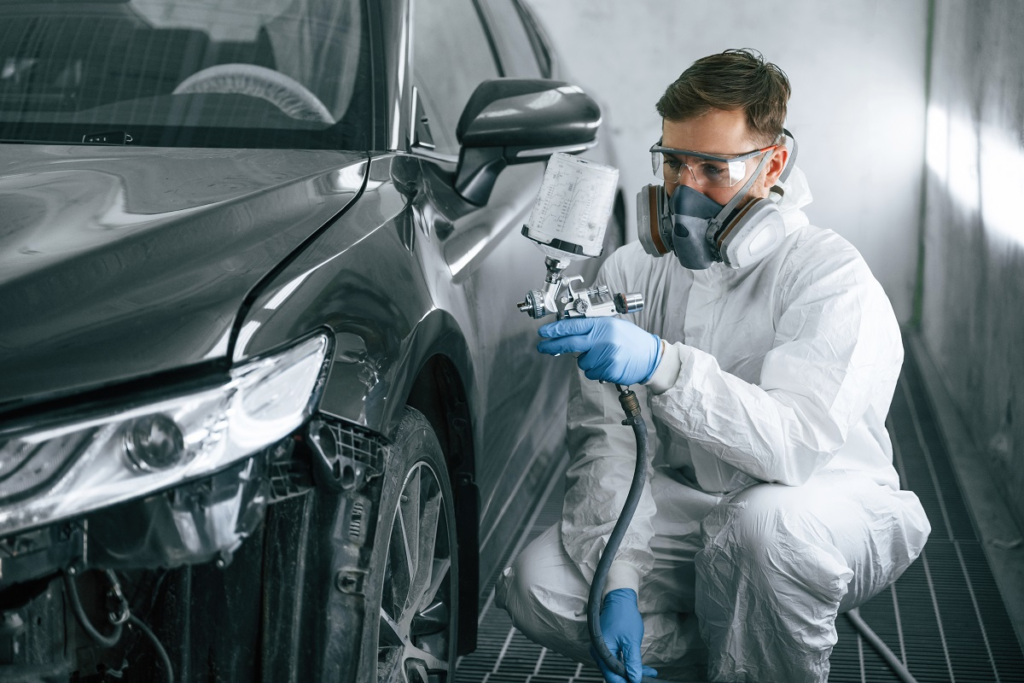
Car paintwork that shows off the owner’s care and attention will command a higher price at resale when compared to neglected ones with rust and chips, etc. Repairing the little ones like chips and scrapes is easy with some simple DIY paintwork, and it will not only keep the bodywork looking good for longer, but it also prevents rust formation, which is the worst enemy of a car. If you have any small bumps or dents, just filling them in and painting over will keep the original car value, which would have been depreciated panel by panel otherwise.
Much of the value is in the condition of the paint since that is often the first thing that people see before opening the bonnet. So, a private buyer or a trade valuer will probably already be thinking if this is a car that can be trusted just because of these paint defects like chipping or scuffing that could have been very easily avoided. Repairing such minor issues while they’re still small is one of the most affordable methods by which you can retain your car’s value.
Why Paint Damage Hits Resale Value So Hard
A car’s visible condition is used by car buyers as a proxy of how the car has been treated overall. A bonnet peppered with stone chips or a keyed door tells them the previous owner didn’t even bother with little things, and they reasonably assume the servicing and mechanical care were left untreated the same way. That kind of assumption is then priced in, and it lowers the offer.
Valuations for trade-ins and part-exchanges are even more direct. Dealers calculate how much they will need to spend getting a car ready for their sale and they factor in that cost plus a margin into the amount they offer you. Paint correction and repairs at a body shop are a pricey affair, so any dealership facing a bonnet chipped with chips will take a portion away from the original price rather than paying it. The industry used car pricing data constantly correlates Cosmetic condition, paintwork being the most visible cosmetic factor, to the sale price you can achieve.
A rusting issue comes into play as well, and that one which causes lasting financial damage. A chip that penetrates up to the bare metal may cause corrosion very quickly in the damp and humid climate of the UK, and once a metal is corroded underneath the paint and spreading, the problem is beyond just a cosmetic issue. A potential buyer seeing bubbling paint or a rust spot doesn’t simply lower their offer; they often leave it, since rust means to them a huge unpredictable and unpredictable cost.
The Cost Difference Between DIY and Body Shop Repair
It’s the mathematics that makes DIY repair really pay off, not vanity. A professional touch-up or smart repair on a small damaged area usually costs 80 to 300, according to the panel and the finish. Full panel respray can easily go far above that figure. Just imagine spending the whole amount on a few damaged panels before sale and still having the cost of your car’s improvement lower than what you have paid.
If you do the fixing yourself, it’s as good as the price. Your car’s specific paint code matched colour kit is normally priced between 15 and 40, and in general, one kit is enough to cover dozens of chips. So the per-chip cost is only a few pence, instead of tens of pounds. Even if you repair only the front ones that get most of the debris, you will protect hundreds of pounds of car value for the price of a takeaway.
The major time loss is the first few times, though. To cure a single little chip needs only about ten minutes of active work that you will extend over the period of hours. You don’t need many skills because the learning curve is really quick. Your first hidden sill job will teach you sufficient to handle the visible panels quite confidently. After that you’ll be doing this like a routine on the days you’re free from rain rather than something unpleasant.
How to Repair Chips Without Lowering Value Further
A bad repair can look worse than the damage it replaced, so the method matters as much as the intention. Start with your paint code, found on a sticker inside the driver’s door frame or under the bonnet, because an accurate colour match is the difference between a repair that disappears and one that reads as an obvious patch. A shade that’s slightly off will draw a buyer’s eye straight to it.
Clean and degrease the area first, treat any rust before it goes any further, then build the colour in thin coats rather than one thick dab. A quality car touch up paint system that includes primer, a blended colour matched to your code, and clear coat gives a far more convincing result than a random bottle grabbed off a shelf, because the layered approach lets the fresh paint level flush with the original. Blending is what stops a repair from looking like a repair.
Patience does most of the work. Two or three light passes with drying time between them, followed by a day or two of curing before you gently polish the area, produce a finish that a casual buyer won’t spot. Rushing any of those stages is the usual reason a home repair ends up more noticeable than the chip, which is the opposite of what you want when you’re trying to protect value.
Which Cars and Owners Benefit Most
The fact that protection varies means that understanding which areas it is most noticeable in can inform the amount of effort put forth. On a top-of-the-line or almost new car, the condition of the paintwork is more important as the customers at that level are more likely to expect cars that are almost brand new. That’s why an issue like a few unrepaired nicks in your paint can, based on the overall condition of the car, be a high cost.
Cheap used, high km, the same car, the effect will be less but prevention of rust will still be very critical since any sign of rust can cause that nice car to be thrown into the junkyard. Possibly, the lease and company car drivers are the ones facing the tightest and the highest financial pressures of all. Paint damage at the end of the contract inspection is billed based on what is considered a fairly worn-out condition and chips and scratches that remain unrepaired quite often incur charges that are much more than the price of a touch-up kit.
If you manage your car’s chipping issues in time before handing it over, you are sure to save yourself lots of money. Also, among the top three most frequently charged services during vehicle return examination, the first was related to car painting. Metallic and pearl finishes are more challenging to touch up because the factory-applied flakes have to remain level with the surface. Whereas, the home touch-ups with simple paint will do the trick very well for door jambs, running boards, wheel arches, and lower panels, so that you won’t be paying a fortune.

Alexia is the author at Research Snipers covering all technology news including Google, Apple, Android, Xiaomi, Huawei, Samsung News, and More.