Bill Gates warns of AI danger: Tech industry trivializes the risks
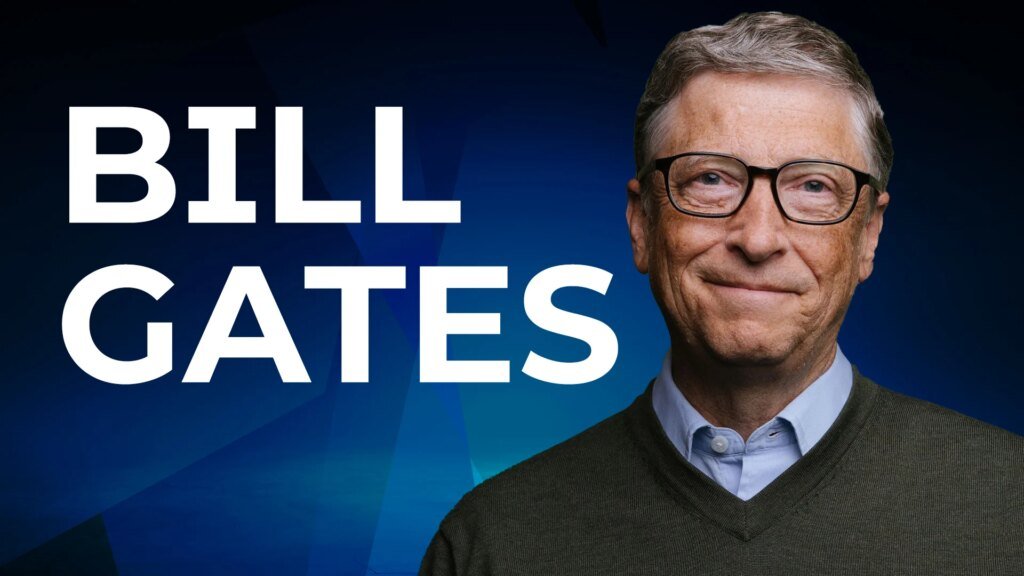
Mass unemployment, cyberattacks and bioterrorism: Bill Gates paints a bleak picture of artificial intelligence in a new essay. In order to avert the impending dangers, the philanthropist is now specifically taking politicians to task.
Warning of a turbulent AI era
Microsoft co-founder Bill Gates warned urgently about the consequences of artificial intelligence in a nearly 5,900-word essay. He emphasizes that the world must prepare for a turbulent period before workers are displaced or become underemployed. According to the developer and philanthropist, if politicians do not intervene in time, there is a risk of far-reaching social and economic changes. So far, concerns have focused primarily on office jobs, which have come under pressure from text generators. However, Gates predicts that technology and robotics will soon extend far beyond these activities. As machines become cheaper and more capable, skilled trades will be at risk.
Shelters for human work
By the end of the decade, robots could compete directly with humans for physical work in construction or logistics. To counteract the threat of job loss, the billionaire is proposing concrete measures. Gates suggests reserving certain professions exclusively for people. He calls the concept “Human Reserved.” Gates founded Microsoft in the 1970s and was involved in many technological changes. He now sees the state as having a duty to set clear limits for the use of intelligent systems.
The transition to the age of AI will be one of the most turbulent phases in human history. We are currently not preparing adequately for this transition. If the world takes the right steps, AI will be a force for good and will benefit all people. Bill Gates
No tasks that require empathy
A personal experience serves as the background for the initiative. When his father suffered from Alzheimer’s disease, Gates learned the importance of personal, empathetic care from real people. According to Gates, a robot should never deliver terminal illness diagnoses, even if the technology could do so without errors. Empathy and interpersonal trust cannot be replaced by algorithms.
Areas such as education or psychological care could in the future consist of a mixture of humans and machines. Teachers and therapists must always maintain control. To finance the transition in the labor market and enable large-scale retraining, the philanthropist is calling for a new tax on automated work systems and artificial intelligence. Infographic: Bill Gates – The life of the Microsoft founder
Realign tax incentives
The current tax system encourages companies to replace human workers with machines. Capital investments in robots can often be immediately deducted as a business expense. Gates calls for this to change in order to make human work more financially attractive again. He has already donated billions to global health projects through his foundation and always views technological developments from a societal perspective.
In addition to economic aspects, Gates sees threats to general security. He warns of a massive increase in cyberattacks and the facilitation of bioterrorism through freely accessible research data. He also fears negative effects on children’s social development if they interact primarily with digital systems instead of with their peers. Every government must now act across departments.
The problem with risks
Despite his concerns, the developer continues to recognize enormous benefits of the new technologies. He sees great potential in combating diseases or climate change in low-income countries. However, he criticizes the fact that the technology industry often downplays the risks. The establishment of new national and international institutions for surveillance is essential to prepare society for the upheaval.