Robot Vacuum Cleaners: How to Choose the Right One for Your Home
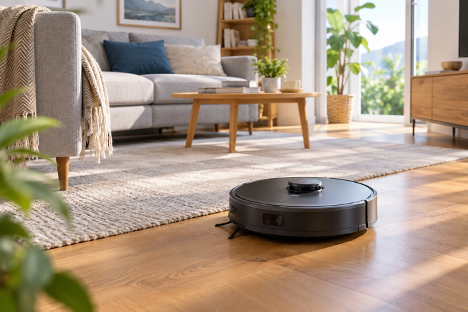
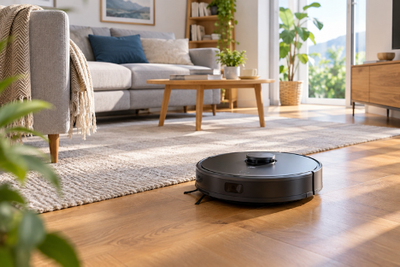
Keeping floors clean can be a time-consuming part of maintaining a comfortable home. Dust, crumbs, pet hair and everyday debris accumulate quickly, particularly in busy households where people spend much of their time indoors. As technology continues to simplify domestic tasks, automated cleaning devices have become an increasingly practical option for people looking to maintain cleaner floors with less manual effort.
A robot vacuum can help make everyday cleaning more manageable by moving around the home independently and collecting dirt from accessible floor surfaces. However, choosing the right model requires more than looking at its appearance or advertised features. Factors such as floor type, room layout, navigation, maintenance and cleaning schedules all influence how useful a device will be in daily life.
Understand Your Home’s Cleaning Needs
Before choosing a robot vacuum cleaner, consider the layout and characteristics of your living space. A small apartment with mostly hard flooring may have very different cleaning requirements from a large family home with carpets, rugs and several rooms.
Hard floors often collect visible dust, crumbs and loose debris that can be removed through regular automated cleaning. Carpets, on the other hand, may require stronger suction and an effective brush system to lift dirt trapped between fibres. Homes with a combination of surfaces benefit from a device designed to handle these changes without requiring constant manual intervention.
It is also worth considering how much furniture occupies each room. Low sofas, beds and cabinets can create difficult-to-reach spaces where dust tends to accumulate. Measuring the clearance beneath furniture before purchasing a device can help determine whether it will be able to clean these areas effectively.
Pay Attention to Navigation Technology
Navigation is one of the most important features of an automated floor cleaner. A device that moves efficiently through a room can cover more of the available floor space while reducing unnecessary movement and repeated cleaning passes.
Basic navigation systems may rely on physical contact with obstacles or simple movement patterns. More advanced systems can use sensors, cameras or laser-based mapping technology to understand the surrounding environment. Depending on the model, these features can help the machine identify furniture, recognize room boundaries and follow a more organized cleaning route.
Mapping capabilities can be particularly useful in homes with multiple rooms. Some devices allow users to divide a floor plan into separate areas, schedule cleaning for specific rooms or designate locations that should be avoided. These controls can make automated cleaning more convenient, especially when certain rooms are used more frequently than others.
Even with sophisticated navigation, preparing the home remains important. Loose charging cables, small toys, clothing and other objects can obstruct movement. Clearing these items before a scheduled cleaning session helps reduce interruptions and allows the device to work more effectively.
Consider Battery Life and Charging
Battery performance affects how much floor space a robot vacuum can clean during a single session. Smaller homes may not require particularly long operating times, while larger properties may need a device capable of cleaning extensive areas before returning to its charging station.
Some models can automatically return to their dock when the battery runs low and resume cleaning after recharging. This feature can be useful when a single session is not sufficient to cover the entire home.
Charging dock placement also deserves attention. Ideally, the dock should sit on a level surface with enough surrounding space for the machine to approach and leave without difficulty. Keeping it in a consistent location can help support reliable navigation and reduce problems with returning to the charging station.
Look Beyond Suction Power
Suction is important, but it should not be the only consideration when evaluating cleaning performance. The design of the brush system, the ability to collect fine dust and the way a device handles different floor surfaces can also influence the final result.
Homes with pets may benefit from brush designs intended to reduce hair tangling. In households where fine dust is a regular concern, filtration and dust containment are also worth examining. A well-designed filtration system can help capture small particles rather than allowing them to escape back into the surrounding air.
For homes with hard floors, combined vacuuming and mopping functions may offer additional convenience. However, wet-cleaning features vary between models, and not every device is designed to clean carpets and hard surfaces in the same way. Understanding precisely what a particular model can do will help avoid unrealistic expectations.
Explore Smart Features That Save Time
App connectivity and programmable schedules can make automated cleaning easier to incorporate into everyday routines. Depending on the device, users may be able to start a cleaning session remotely, choose specific rooms, adjust cleaning modes or receive notifications when maintenance is required.
Scheduling is particularly useful for households that prefer to clean while everyone is away or occupied with other activities. A regular routine can also help prevent dirt from building up between more thorough cleaning sessions.
Voice control and smart-home integration may be available on some models, but these features are not essential for everyone. If a straightforward cleaning schedule is all that is needed, a simpler device may provide better value than one with a large number of rarely used functions.
Remember Maintenance and Running Costs
Automated cleaning reduces the need to operate a vacuum manually, but it does not eliminate maintenance. Dust containers need to be emptied, filters cleaned or replaced, and brushes checked for accumulated hair and fibres. Sensors and charging contacts may also require occasional attention.
Before purchasing, check how easy it is to access these components and whether replacement parts are readily available. Some models include self-emptying docks, which can reduce the frequency of manual emptying, although the dock itself may require cleaning and additional consumables depending on its design.
It is also sensible to consider noise levels, particularly if the device will operate while people are working from home, sleeping or watching television. A quieter cleaning mode can be useful during these periods, even if it takes longer to complete the task.
Match Your Budget to Practical Benefits
Robot vacuum cleaners are available with a wide range of capabilities and prices. Establishing a budget before comparing models can help narrow the options and focus attention on features that genuinely improve everyday cleaning.
For one household, reliable navigation and effective dust collection may be the main priorities. Another may benefit more from advanced mapping, pet-hair management or automatic dust disposal. Paying for features that match actual household needs is generally more useful than choosing a device based solely on its specifications.
It is also worth reviewing warranty coverage, customer support and the expected availability of replacement components. These practical considerations can influence the long-term value of a purchase just as much as the initial price.
Make Cleaning Part of a Simpler Routine
The right robot vacuum cleaner can make routine floor maintenance more convenient, but its effectiveness depends on choosing a model suited to the home. Floor surfaces, furniture clearance, navigation, battery performance and maintenance requirements should all be considered before making a decision.
By identifying the cleaning challenges that matter most, homeowners can focus on useful features rather than unnecessary extras. A carefully chosen device can help manage everyday dust and debris, complement occasional deeper cleaning and make it easier to maintain a comfortable living environment throughout the week.

Alexia is the author at Research Snipers covering all technology news including Google, Apple, Android, Xiaomi, Huawei, Samsung News, and More.