iPhone Duo: Fold clearly visible after just 10,000 folding processes
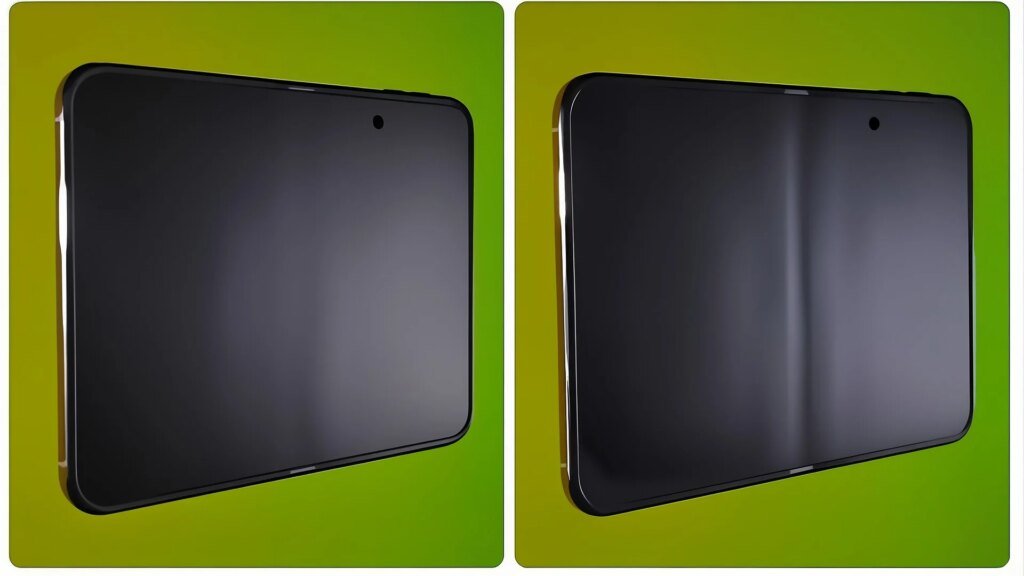
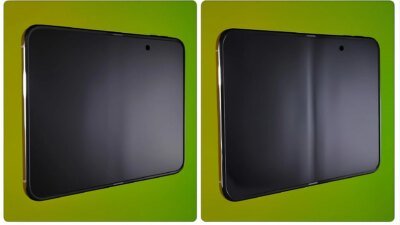
Apple advertises the iPhone Duo with an almost invisible fold in the middle. However, a stress test reveals a weakness. After 10,000 folding processes, the crease in the screen becomes much more noticeable. In practice, however, this hardly plays a role.
First endurance test before the start
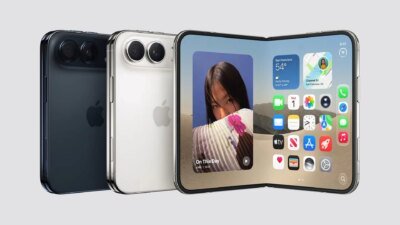
Tomorrow, Friday, Apple’s first foldable smartphone, the iPhone Duo, will be released. Initial tests show that Apple has, as so often happens, done its job well and is able to perfect the device class late, but almost to perfection. But only “almost”: A test by YouTuber Tim Pan shows how well the folding mechanism of the $2,000 (around 1,781 euros) expensive phone holds up in everyday life. The company advertises the model with an almost invisible fold in the middle of the screen. A special teardrop-shaped hinge design allows the panel to rest curved inside. However, an endurance test paints a different picture after intensive use. Of course, Pan didn’t do his test by hand. To simulate long-term stress, a machine was used that continuously opened and closed the smartphone.
Watch on YouTube
Display folds quickly become visible
According to the YouTuber, after a total of 10,000 folding processes at room temperature and a further 1000 times at minus 20 degrees Celsius, there was a clear change. The bend in the 7.6-inch OLED screen became significantly deeper and was more visible than when it was new. The matte finish of the screen reduces the visibility of the fold even after 10,000 folds, but does not prevent it from becoming more noticeable. Mathematically, 10,000 folding processes correspond to a useful life of around three months if the phone is opened around 100 times a day. After the test, Pan believes it is possible that dirt could be drawn into the hinge, but the mechanics remained unaffected. After the exertion, the hinge worked smoothly and supported the opening process as it did on the first day.
The housing also proved to be robust against external forces. In a backward bending test, Pan measured a force of 37.8 kiloponds (around 371 newtons). According to Pan, the device is structurally very stable. Apart from the hardware, according to the YouTuber, there could be problems with the software.
Problems with the software
Pan also found other quirks: The operating system’s animation sometimes reacts incorrectly when it is opened. If the hinge moves slowly or the phone is rotated, the wallpaper jumps or the screen briefly goes black. Although the developers have adapted the system to the changing display formats, the software can apparently occasionally misinterpret the orientation of the device. The bad news: Pan believes that a simple update may not fix the problem. If the cause is hinge movement detection, the basic logic of image transitions may need to be revised. It is currently unclear whether the errors occur on all devices. Apple has not yet confirmed a fix.