Android Auto: Google confirms support for 2 old Android versions
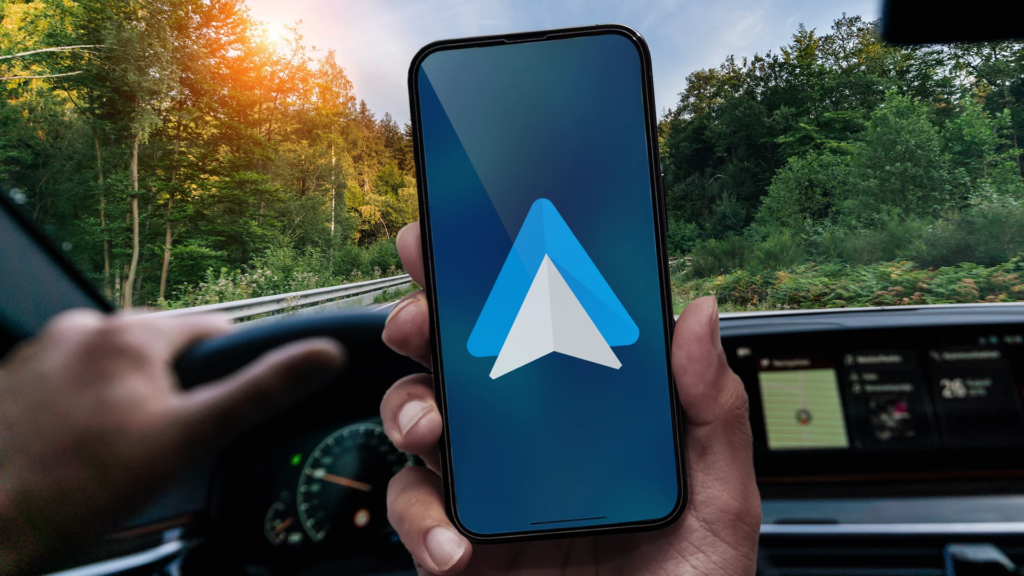
Google is officially ending Android Auto support for Android 9 and 10. A wired connection to the vehicle display now requires Android 11. If you have an older smartphone, you will have to upgrade for further use.
New system requirements
Google has just released Android Auto 18.1, so users have to be prepared for stricter minimum requirements. Support for smartphones with Android 9 and Android 10 is officially discontinued. At least Android 11 is now required to connect to a vehicle’s infotainment system. Affected users had already received corresponding warning messages on their devices in advance. For drivers with older cell phones, this means that mirroring the smartphone interface onto the car display no longer works. The affected devices include the Samsung Galaxy S9, the Galaxy Note 9 and the Pixel 2.
For these models, official software support ended with Android 10. If you want to continue using Android Auto on your vehicle display, you will have to switch to a smartphone with Android 11 or newer. Interesting: Android Auto can also be used directly on the smartphone using the free PhoneAuto app, without having to establish a connection to the vehicle’s infotainment system. In this detour, devices with Android 9 and 10 can still be used as navigation devices. PhoneAuto is based on the Project GitHub page download, but is currently still in the beta phase.
Like Google on its updated support page confirmed, support for the older software generations has ended. Previously, Android 9 was listed as the minimum requirement. The adjustment does not come as a surprise, as the company raises the hurdles at regular intervals. Android 9 was released in 2018, Android 10 followed in 2019. The current software generation has now reached version 17. There have been similar cuts in software in the past. Support for Android 6 dropped in 2022, while Android 7 and Android 8 were phased out in 2024.
New features
Google does not list any specific reasons for the current step. However, since the outdated versions of Android have not received updates for years, security gaps are probably one of the reasons. Added to this are growing hardware incompatibilities. However, users with smartphones running at least Android 11 will also have to adapt to changes as soon as possible. Google is currently working on a redesign of the Android Auto user interface.
The new so-called “Cielo” design is intended to make the system more dynamic. For example, users should be able to adjust the size of the windows on the vehicle display screen more flexibly. There are also new animations for a smoother user experience and new functions such as the integration of a display of 15 different weather conditions. The corresponding major update is expected in early 2027.