FAQs about the fear and greed index: Here are the responses you are looking for
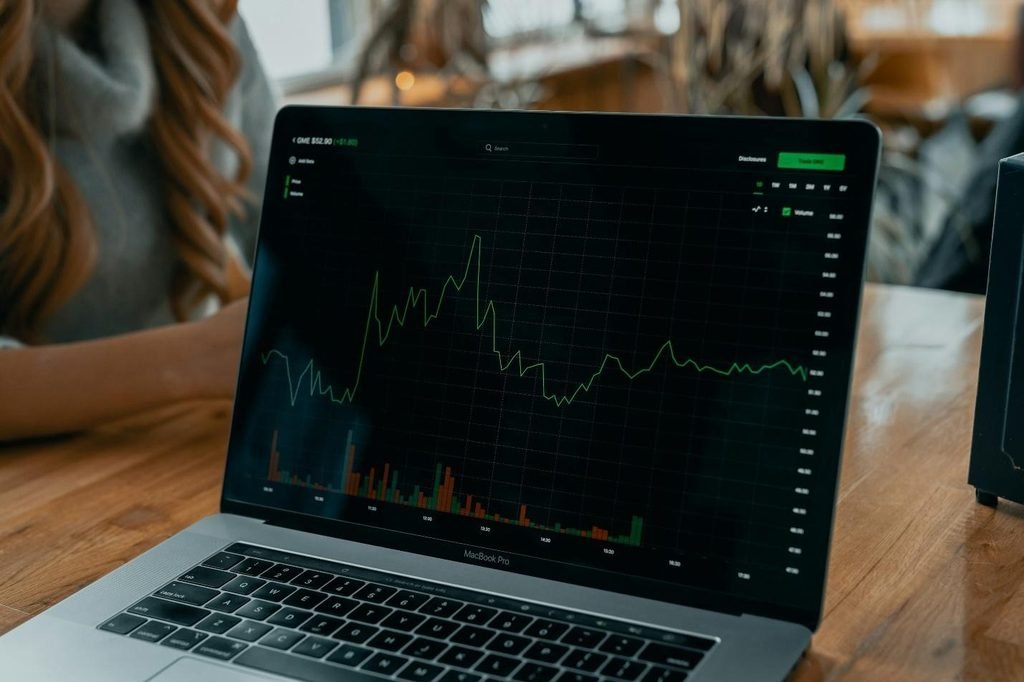
The crypto market is complex, and prices can move based on a wide variety of factors. Cryptocurrencies are highly technical, but to many people’s surprise, the prices also move depending on people’s sentiment. Because prices can rise and fall quickly, people often feel panic, greed, and fear.
So, analyzing the fear and greed index becomes essential for having an overview of the market and making better decisions. This gives you data on the best time to buy or sell crypto, helping you make more rational decisions instead of reacting emotionally.
In this article, we will explore FAQs about the fear and greed index and offer responses.
What is the fear and greed index?
The fear and greed index is a tool used to measure market sentiment by tracking the most common emotions among investors. This tool has values from 0 to 100, and each value will offer insights into whether the market participants are pessimistic or optimistic. In this way, investors will have a better overview of the best moments to enter and exit the market.
This index measures the overall sentiment of investors, and it is a valuable asset for anyone who wants to limit reacting with their emotions. When the market is dealing with extreme fear, this means that people are selling their assets, and crypto prices are more undervalued. On the other hand, extreme greed can attract the attention of more people, which in the end can lead to market correction.
What is the purpose of the fear and greed index?
The fear and greed index was created to offer a solution to the high volatility cryptocurrencies had. Also, people saw that these price fluctuations make them react emotionally, which is not a good idea. It was already evident that people experienced panic, fear, euphoria, and greed when they were investing, but they didn’t have a tool to say exactly which of the above emotions they were dealing with.
This is the reason behind the creation of the fear and greed index, launched to keep track of the emotions of market participants and offer them a measurable framework to grasp market psychology.
Before the launch of this index, traders were using more anecdotal evidence, which had shortcomings as it wasn’t objective and it lacked consistency. This is why it was needed to have a better tool to track all these emotions.
What are the values included in the fear and greed index?
The fear and greed index has values from 0 to 100, where each of these numbers provides hints into the four categories present. Here they are:
- Extreme fear: Values between 0 and 24.
- Fear: Values from 25 to 49.
- Greed: Values from 50 to 74
- Extreme Greed: Values from 75 to 100.
What data does the Fear and Greed Index use to calculate?
The fear and greed index is calculated after taking into consideration various factors. Here are the factors that help in calculating the fear and greed index.
- Volume and market momentum: Volume and market momentum are present in the result offered by the fear and greed index. If there is a high demand for crypto, the index will most likely be closer to greed. This also happens in reverse.
- Volatility: Volatility is included in the fear and greed index, since it is one of the elements that make crypto prices drop and increase in value constantly. Usually, the fear and greed index calculates the volatility from the 30- and 90-day averages.
- Social media sentiment: The news from social media platforms, like Reddit or X, impacts the values of the index directly. There, you can discover the opinions of people at large, and they have the power to influence others.
- Google Trends: Google searches offer insights into overall sentiment.
- Bitcoin dominance: Bitcoin is the largest cryptocurrency by market capitalization, which is why it also impacts this index. If the index shows values in the fear category, then people are more inclined to remain interested in Bitcoin. If the feeling is of greed, they will head towards altcoins as well.
Why is this index important?
This index is very valuable to investors and people who want to get started with crypto. This index can offer insights into possible scenarios. For instance, in moments of fear, most people are afraid of prices dropping, which makes them panic and sell their assets. This also goes in reverse. In periods of fear, investors don’t want to miss out on opportunities, which makes them invest in crypto, even though prices are high.
If you know how people react in these two scenarios, you can make better decisions. For instance, instead of selling when everyone does this, you can see investment opportunities, since the prices tend to be lower.
Should you always buy in extreme fear?
It depends on what you want. If you want to get started with crypto, these moments present good opportunities, as the prices are relatively low. However, the answer is not universal. It also depends on the coin you want to get started with. Also, keep in mind that prices can remain low for a long time, especially because of external factors like geopolitical issues.
To make good decisions, it is essential to assess your risk tolerance, the crypto’s characteristics, your financial decisions, and your investment goals.
Conclusion
The fear and greed index was developed particularly to help people not react with their emotions, and to use their rationality instead. Also, this tool is essential in markets like crypto, which are in bull, bear, or neutral markets, and you need something to help you identify which one.
However, you shouldn’t rely only on this index, and you should also do your research and pair it with technical analysis and good risk management.

Alexia is the author at Research Snipers covering all technology news including Google, Apple, Android, Xiaomi, Huawei, Samsung News, and More.