Apple Smart Glasses: Competitor Meta’s error causes postponement
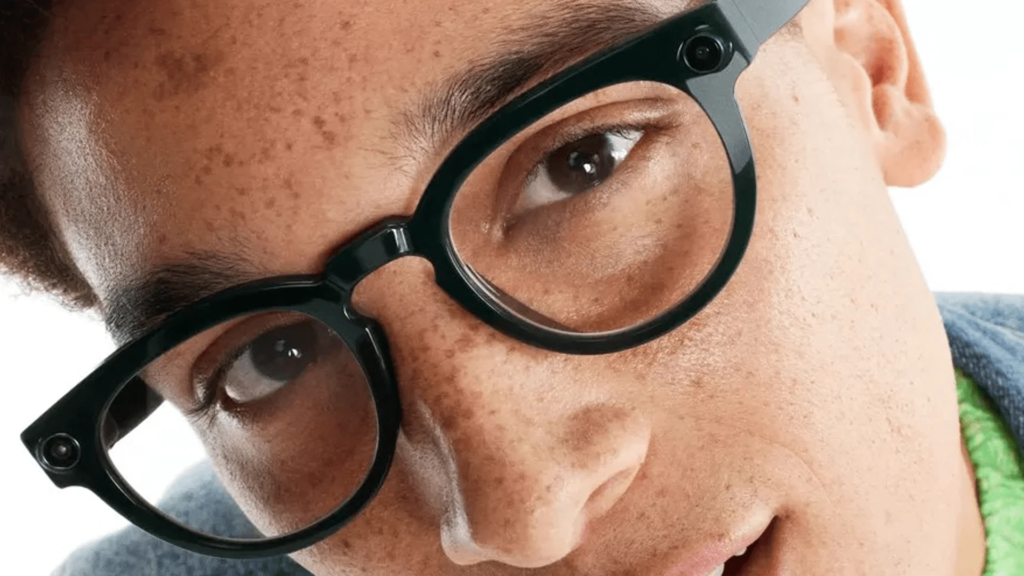
Apple is planning to introduce its first smart glasses in 2027. It is apparently consciously taking more time for development in order to proactively address data protection concerns and avoid mistakes made by competitors.
Focus on data protection at Apple
Apple has been testing prototypes of its upcoming smart glasses for some time. The glasses are scheduled to come onto the market in the second half of 2027. The publication was actually planned earlier. But as it is now said, the delay is due, among other things, to unanswered questions about privacy. For example, one of Apple’s goals is to prevent the recording of uninvolved people in public spaces.
The company’s caution results from the negative experiences of its competitors. Meta’s Ray-Ban glasses are commercially successful with over seven million sales, but are criticized for their use for secret video recordings. Even Instagram recently banned accounts that filmed unsuspecting passers-by for their videos.
As Bloomberg reports, Apple is drawing conclusions from the mistakes of CEO Mark Zuckerberg’s company. They want to avoid damage to their image and are therefore now relying on strict guidelines.
Three approaches in the discussion
In order to meet the requirements, Apple developers are discussing various approaches. The company is reportedly considering three options for its glasses with the internal name N50. The first idea is the complete absence of cameras, coupled with a strong focus on sound and voice control via Siri. An alternative are camera systems without a recording function that are used exclusively for local AI analysis.
The third variant includes full-fledged cameras, but requires strict local data processing directly on the device. Completely foregoing a video function would drastically reduce the risk of data protection violations. At the same time, however, this reduces its appeal for end users who may want to capture everyday moments from a first-person perspective and use functions that require a camera. Apple has to find a compromise between practical utility and maintaining privacy.
Experiences from the past
After their release, AirTags were often misused, which subsequently required extensive adjustments to the software. In order to prevent such a scenario and to stand out from Meta, Apple categorically excludes functions such as continuous environmental analysis without active recording light from the outset. In addition, facial recognition and the transfer of data to external service providers are dispensed with.
The remaining development time until WWDC 2027 will be critical to gaining consumer trust at the launch of wearables. Apple’s success in this new market segment will once again depend heavily on how seamlessly the hardware integrates into the existing ecosystem.

Amit Gohar is Technical writer at ResearchSnipers.com, he is well versed Technology News writer, he has completed is MS computer Science in 2020. He can be reached at amit.g@researchsnipers.com