Guide to Using Foldable High Chair for Mealtime Habits
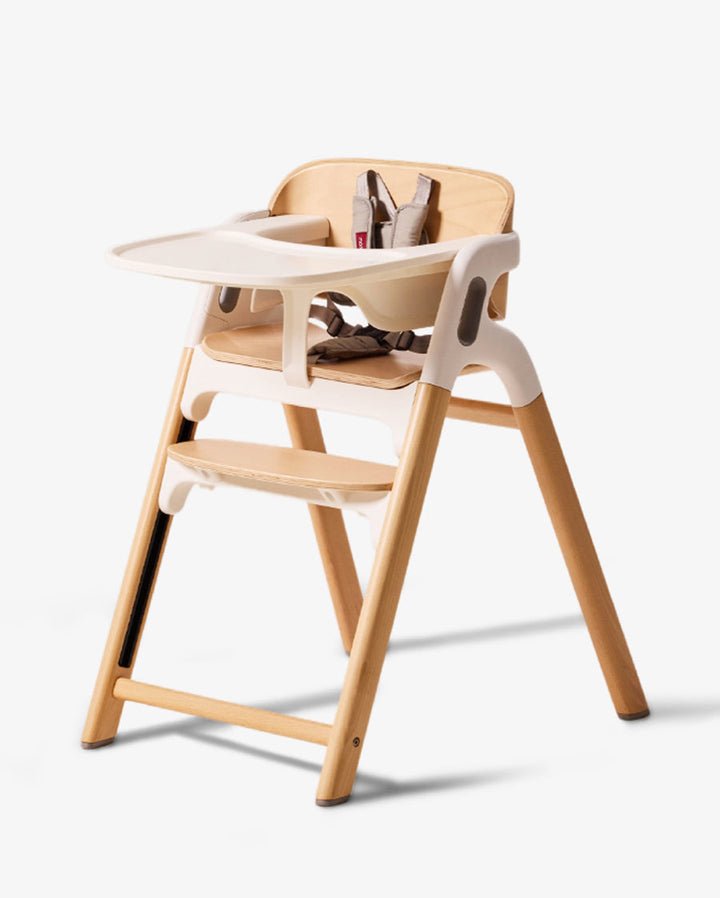
Picture this: your baby is squirming in your lap, pureed sweet potato is somehow on the ceiling, and the dog is licking spilled milk off the floor. Mealtime with a little one can feel like controlled chaos, leaving many new parents wondering if peaceful family dinners will ever be possible again. This is where a foldable high chair becomes more than just a piece of baby gear—it becomes the foundation for structured, enjoyable meals that grow with your child.
The real challenge parents face goes beyond simply feeding a baby. It’s about balancing safety with developmental support, encouraging independence without creating overwhelming messes, and building habits that will serve your child for years to come. In this guide, we’ll walk you through understanding your baby’s feeding milestones, practical strategies for fostering self-feeding confidence, and step-by-step tips for making the most of your foldable high chair at every stage. Whether you’re introducing first solids or navigating toddler food battles, this article offers the actionable guidance you need.
Why a Foldable High Chair is a Game-Changer for New Parents
Having a dedicated eating space for your baby does something powerful—it signals that mealtime is a distinct activity with its own rhythm and expectations. When your child consistently sits in the same spot for meals, their brain begins associating that space with eating, focus, and family connection. This consistency is one of the earliest building blocks of healthy mealtime habits, and a foldable high chair delivers it without permanently sacrificing your living space.
Modern parenting rarely happens in one location. You’re eating at home, visiting grandparents, dining at a friend’s house, or spending weekends away. A foldable high chair travels with you, ensuring your child’s routine stays intact regardless of setting. That portability means you don’t have to choose between maintaining structure and living flexibly—the chair collapses in seconds and fits in a car trunk or closet corner without hassle.
Safety features built into quality foldable designs directly support your baby’s developmental journey. Wide bases prevent tipping during those energetic moments when babies kick and lean. Adjustable harness systems keep wiggly bodies secure while still allowing the movement needed to develop core strength and coordination. Footrests positioned at the right height encourage proper posture, which actually aids digestion and swallowing mechanics during those critical first months of solid food introduction. Brands like Momcozy understand these needs, designing mother and infant products that prioritize both safety and the practical realities of everyday family life.
Compared to traditional bulky high chairs that dominate kitchen space permanently, foldable versions offer the same structural integrity and safety without the spatial commitment. They’re not a compromise—they’re an evolution designed for how families actually live today, giving parents the confidence that their child is secure and supported while reclaiming their home between meals.
Understanding Key Developmental Milestones for Feeding
Your baby’s journey from liquid-only nutrition to confidently wielding a spoon spans roughly eighteen months, and each phase brings distinct physical and cognitive changes that directly affect how they interact with food and their high chair. Understanding these milestones helps you adjust your expectations, choose appropriate foods, and position your foldable high chair settings to match what your child’s body is actually ready to do. Too often, parents push self-feeding before the coordination is there, or hold back when their baby is clearly signaling readiness for the next step.
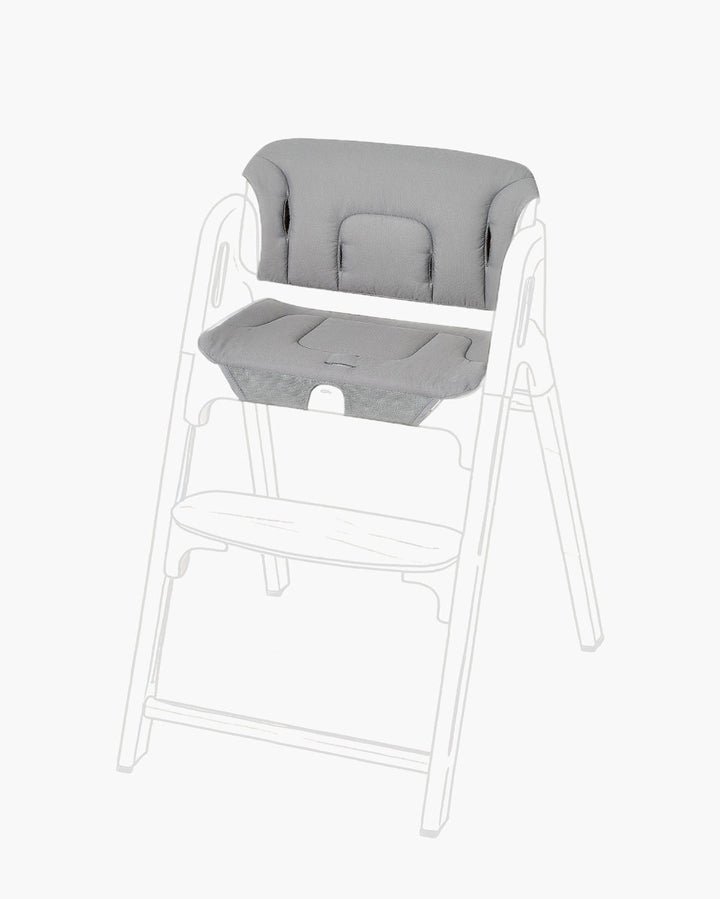
Recognizing signs of readiness isn’t about hitting exact calendar dates—it’s about observing your individual child. Can they hold their head steady? Are they reaching for food on your plate? Do they open their mouth when a spoon approaches? These behavioral cues matter far more than age alone, and they tell you when your high chair should shift from a supported observation seat to an active feeding station. The chair itself becomes a tool that meets your child where they are developmentally, providing the physical support their growing body needs at each transition.
Milestone 1: Sitting Upright and Core Stability (Around 6 Months)
Around six months, most babies develop enough core strength to sit with minimal support, which is the primary readiness signal for starting solid foods. A foldable high chair with proper back support and an adjustable recline bridges the gap between wobbly sitting and full independence, keeping your baby’s airway aligned safely for swallowing. This is when the high chair transitions from optional to essential—it positions your baby at table height, upright enough for safe eating, and stable enough that they can focus on the new sensory experience of food rather than struggling to stay balanced.
Milestone 2: Grasping and Hand-Eye Coordination (8-10 Months)
Between eight and ten months, babies develop the pincer grasp—using thumb and forefinger to pick up small objects—which unlocks the world of finger foods. Your high chair’s tray becomes a practice arena where soft pieces of banana, steamed vegetables, or dissolvable puffs can be placed within reach. The contained space of the tray keeps food accessible without overwhelming your baby, and the secure seating means both hands are free for exploration rather than bracing for balance. Offering pre-loaded spoons alongside finger foods at this stage builds the neural pathways needed for later utensil mastery.
Milestone 3: Self-Feeding and Growing Independence (12+ Months)
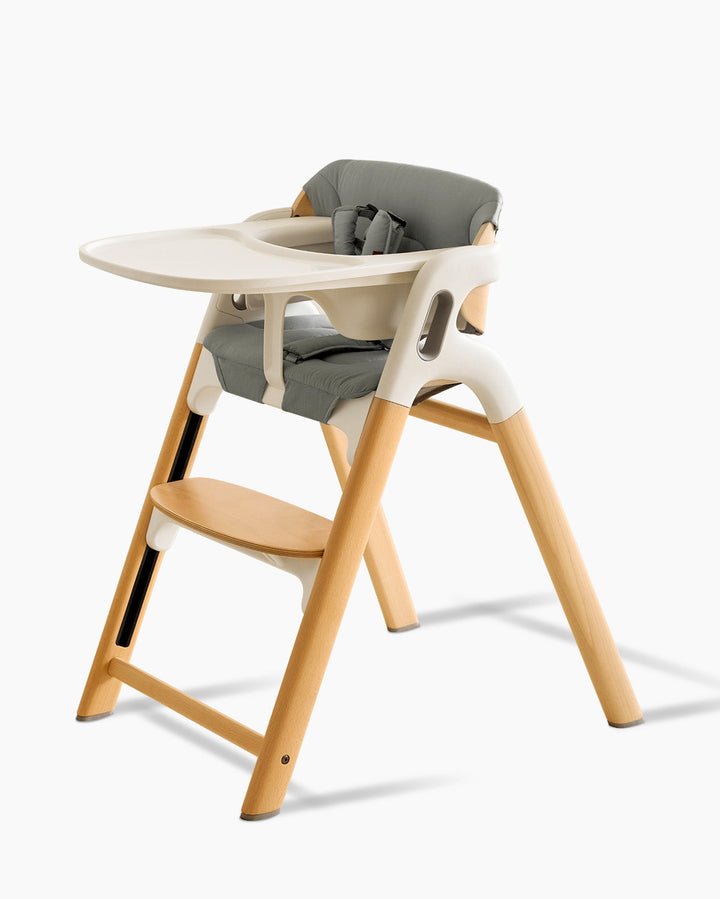
After their first birthday, toddlers increasingly want to do things themselves—and meals are no exception. This is when you step back and let the mess happen, because every flung spoonful represents your child practicing motor planning and building confidence. Your foldable high chair supports this phase by providing a secure, easy-to-clean station where independence can flourish safely. Remove the tray when appropriate to pull the chair directly to the family table, reinforcing that your toddler is a full participant in shared meals rather than an isolated observer.
Fostering Independence: Building Healthy Mealtime Habits
Independence at the table doesn’t happen overnight—it’s cultivated through hundreds of small moments where your child is given permission to try, fail, and try again. The foldable high chair plays a central role in this process because it creates a consistent, safe boundary within which exploration feels manageable rather than overwhelming. When your child knows what to expect from their eating environment, they spend less energy on uncertainty and more on developing competence with food.
Picky eating is perhaps the most universal mealtime challenge parents face, and it often intensifies between twelve and twenty-four months. The instinct to pressure, bribe, or distract is strong, but research consistently shows that a low-pressure approach works better long-term. Present new foods alongside familiar favorites without commentary or expectation. Your child’s high chair tray becomes a no-judgment zone where a rejected broccoli floret today might become tomorrow’s favorite. Repeated neutral exposure—sometimes fifteen to twenty times—is what builds acceptance, not force.
The physical environment you create around meals shapes behavior more than most parents realize. A foldable high chair positioned at the family table communicates belonging and participation. When your child watches you eat the same foods, use utensils, and engage in conversation, they absorb these social patterns naturally. This modeling effect is far more powerful than any instruction, turning ordinary dinners into developmental opportunities that build habits lasting well beyond the high chair years.
Tips for Encouraging Self-Feeding and Autonomy
Start by offering two or three soft finger foods at a time rather than loading the tray—too many choices overwhelm developing decision-making skills. Introduce child-sized utensils around nine months, even before your baby can use them effectively, so they become familiar objects rather than foreign tools. Pre-load a spoon with yogurt or mashed avocado and place it on the tray for your baby to grab independently. Always stay within arm’s reach during self-feeding, watching for gagging versus choking, but resist the urge to intervene with every dropped piece. Let your child touch, smear, and smell food without requiring them to eat it—sensory exploration is the precursor to adventurous eating, and the contained space of your foldable high chair makes this manageable for everyone involved.
Creating a Consistent and Positive Mealtime Routine
Establish predictable meal and snack times that your child can anticipate, ideally eating every two to three hours to prevent the overtired hunger that derails cooperation. Before each meal, involve your child in a simple ritual—washing hands together, placing their plate on the tray, or choosing between two food options. Turn off screens and move away from play areas so the high chair signals a clear transition. Keep meals to fifteen or twenty minutes maximum for babies and young toddlers; when attention fades, the meal ends without drama. Because your foldable high chair travels easily, you can maintain this identical routine at grandma’s house, vacation rentals, or weekend picnics—consistency across settings accelerates habit formation far more than perfection in a single location.
Step-by-Step Guide to Using Your Foldable High Chair Effectively
Owning a foldable high chair is one thing—using it strategically to support your child’s development is another. The difference between a chair that collects crumbs and one that actively builds mealtime competence comes down to how intentionally you integrate it into daily life. From the moment you unfold it to the quick wipe-down after dinner, every interaction with the chair is an opportunity to reinforce safety, routine, and growing independence. The following steps walk you through maximizing your foldable high chair’s potential across setup, engagement, maintenance, and long-term adaptation.
Step 1: Setting Up Your Foldable High Chair Safely
Always place your foldable high chair on a flat, non-slip surface away from walls, counters, or table edges that your baby could push against to tip the chair. Before each use, confirm that the locking mechanism is fully engaged and give the frame a firm shake to verify stability. Thread the harness straps snugly around your child’s waist and between their legs—you should fit one finger between the strap and their body, but no more. Position the footrest so your baby’s feet rest flat with knees at a ninety-degree angle, which promotes the core engagement needed for safe swallowing and active self-feeding at every developmental stage.
Step 2: Engaging Your Baby During Meals
Once your child is secured, make eye contact and narrate what’s happening—name the foods, describe textures, and respond to their reactions without pressuring them to eat. Place one or two new items alongside a familiar food so the tray feels safe rather than intimidating. Watch for cues like leaning forward with interest or turning away to signal fullness. Use mealtimes as conversation opportunities even before your baby has words; this back-and-forth interaction builds the social framework of eating together and transforms the high chair from a containment device into a connection point that strengthens mealtime habits over time.
Step 3: Cleaning, Maintenance, and Folding for Storage
After each meal, remove the tray and rinse it immediately—dried puree becomes concrete within hours. Wipe the seat and harness straps with a damp cloth and mild soap, paying attention to crevices where food hides. Weekly, inspect all screws, joints, and the folding mechanism for looseness or wear. When folding for storage, ensure no food debris is trapped in hinges that could compromise the locking system. Most foldable chairs collapse in two motions and stand upright in a closet or slide behind a door, keeping your space clear until the next meal.
Step 4: Adapting the Chair as Your Child Grows
As your child gains height and confidence, adjust the seat height, remove the tray to pull them directly to the table, and loosen harness settings to allow greater movement. These incremental changes mirror developmental progress, ensuring your foldable high chair remains relevant and supportive well into toddlerhood.
Building Lasting Mealtime Foundations with Your Foldable High Chair
A foldable high chair is far more than a convenient place to park your baby during meals—it’s a developmental tool that grows alongside your child through every feeding milestone. From those first wobbly attempts at sitting upright around six months to the confident, spoon-wielding independence of toddlerhood, the right chair provides the physical support, safety, and consistency that make healthy mealtime habits possible. The portability of a foldable design ensures these habits travel with your family, reinforcing routine whether you’re at home or across town.
Remember that building strong mealtime foundations requires patience above all else. There will be rejected vegetables, upturned bowls, and meals that last three minutes before your child signals they’re done. None of this represents failure. Each messy, imperfect meal is practice—for your child’s motor skills, their relationship with food, and your family’s shared eating culture. Stay consistent with your routine, keep the pressure low, and trust that the structure your foldable high chair provides is doing quiet, important work beneath the surface. The habits you’re building now—sitting together, exploring new flavors, participating in family meals—will shape how your child approaches food and connection for years to come.

Alexia is the author at Research Snipers covering all technology news including Google, Apple, Android, Xiaomi, Huawei, Samsung News, and More.