How to Choose a Custom Branded Pickleball Paddle Supplier
Key Takeaways
- “Custom branded” can mean anything from a sticker on an end cap to a fully engineered paddle built around your logo, so buyers need to know which one they’re actually shopping for
- Materials and core construction (carbon fiber, fiberglass, foam versus honeycomb cores) affect price and durability far more than the artwork does
- USAP approval only matters if paddles will see sanctioned or club tournament play, not for casual gifting or hotel amenities
- Minimum order quantities range from a single unit to 100 or more paddles, depending on the supplier’s manufacturing setup
- Safety testing matters for youth and family programs, and buyers should ask for lab certificates, not just a claim on a website
- International or multi-property orders raise logistics questions most articles skip, including Incoterms, freight forwarding, and who pays duties
- A reliable supplier will answer questions about warranty terms and quality control without being asked twice
Why Custom Paddles Have Become a Real Sourcing Decision
A few years ago, a branded paddle was a novelty. Something you’d hand out at a company picnic and forget about by fall.
That’s changed. Pickleball participation in the US grew fast enough that hotels, HOAs, schools, and corporate marketing teams now treat paddles the way they’d treat a branded jacket or a conference tote bag, except paddles actually get used week after week. That shift means the supplier question isn’t just “who can print my logo on something.” It’s closer to a procurement decision, with real questions about materials, safety, warranty, and shipping.
Anyone comparing suppliers has probably noticed most guides online focus on design turnaround and minimum order quantities. Those matter. But they skip the part that determines whether the paddle is actually good, and whether it’ll survive a season of daily play at a resort or a rec center.
What “Custom Branded” Actually Means
This is where a lot of buyers get tripped up, because the term covers three very different products.
The first is personalization: an end cap sticker, a laser engraved name, maybe a custom grip wrap on an existing off the shelf paddle. Fast, cheap, and fine for a one off gift.
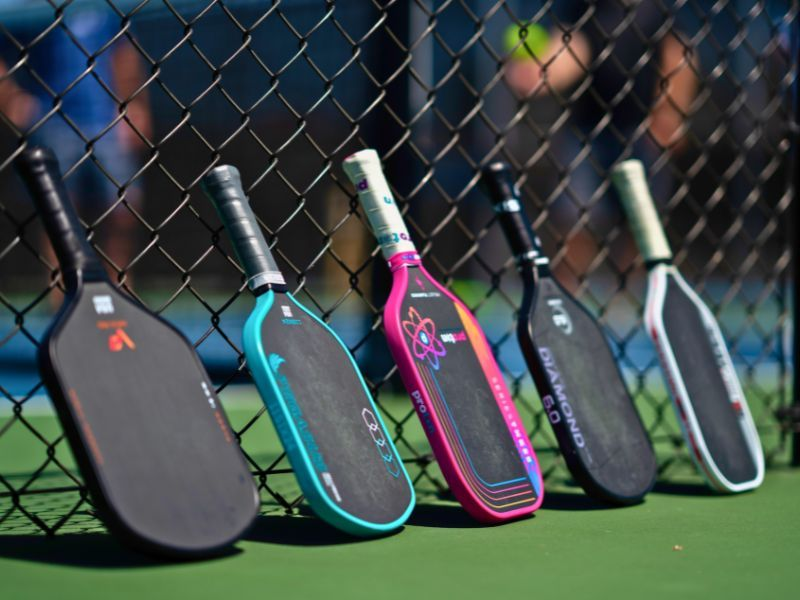
The second is custom design on a manufacturer’s existing paddle platform. You supply a logo and color scheme, the supplier applies it to their standard construction (say, a 16mm carbon fiber core they already produce), and you get a branded version of a proven paddle. Most corporate gifting and event suppliers work this way.
The third is closer to private label manufacturing. You’re choosing core thickness, surface material, edge guard style, and grip specs from scratch, and the supplier builds around your specs. This is what schools, clubs, and multi property groups tend to need, since they’re outfitting programs rather than handing out one time gifts.
Knowing which category you actually want saves a lot of back and forth with sales reps.
What to Check Before You Pick a Supplier
Materials and Construction
Ask what the face and core are actually made from. Carbon fiber faces (T700 is a common grade used across several premium paddle lines) generally cost more but hold up better and offer more consistent spin than fiberglass. Cores are usually polypropylene honeycomb or a foam variant, and thickness (13mm for junior paddles up to 16mm or more for adult performance paddles) affects both control and power. A supplier who can’t explain their core material clearly is worth a second look before you commit to a bulk order.
USAP Approval, If It Matters to You
If paddles are headed to a sanctioned tournament, a competitive club, or a school program with tournament ambitions, check the paddle against the official approved paddle list before ordering. Not every custom supplier submits every design for certification, and a logo change or added weight can technically alter an already approved paddle. For casual play, hotel amenities, or corporate gifting, this step matters a lot less. Nobody’s checking paddle certification at a company retreat.
Minimum Order Quantities and Turnaround
MOQs vary wildly across this industry. Some suppliers will make a single custom paddle. Others require 25, 50, or even 100 units before production starts. Turnaround typically runs anywhere from a couple weeks to over a month, and rush orders usually cost more. If there’s an event date attached to the order, get that commitment in writing early.
Safety Testing for Youth and Family Products
Here’s something most comparison articles don’t mention at all. Junior and family branded sets should come with actual safety testing, not just a marketing claim. That means lab verification for things like lead content, phthalates, and flammability, since these products end up in the hands of kids at clubs, schools, and family resorts. Ask for the certificate. If a supplier can’t produce one, that’s a real red flag, not a minor detail.
Shipping and Logistics for Multi Location Orders
This is the part that trips up hotel groups, HOAs, and multi property buyers more than anything else. Domestic orders are simple enough. International or multi region orders are not. Buyers should ask about Incoterms (FCA, meaning the supplier hands off the order to your chosen carrier at an agreed point, is common for freight forwarded shipments), who’s responsible for duties and taxes at the destination, and whether the supplier has experience shipping into markets like Mexico, the Dominican Republic, or other Caribbean and Latin American destinations. A supplier that’s never fielded these questions before will probably fumble the answer, and that fumble becomes your delay.
Different Buyers Need Different Things
A corporate marketing team ordering 50 branded paddles for a client gift doesn’t need the same thing as a resort outfitting six courts for guest use.
Corporate and event buyers usually care most about design turnaround, packaging, and how the paddle looks in photos. Performance is a secondary concern, though nobody wants to hand out something flimsy.
Hotels, HOAs, and recreation facilities care more about durability, warranty terms, and reorder consistency. A facility running a guest amenity program needs paddles that survive daily use for a year or more, not just a single event. Some US based suppliers, including PicklePro Shop’s wholesale and custom branding program, have built their process specifically around this kind of buyer, with tiered pricing based on property size and equipment needs, plus freight forwarding support for international resort clients.
Schools and clubs land somewhere in between. They want durability and safety certification for junior gear, but they’re usually working with tighter budgets than a resort chain.
And then there’s the sourcing question nobody likes to bring up directly. A meaningful share of paddle manufacturing, custom and off the shelf alike, comes out of China, where labor and material costs are lower. That’s not automatically a quality problem. Plenty of well known brands, including several of the bigger national names like Selkirk, JOOLA, and Paddletek, source components globally while maintaining their own quality standards. But it does mean buyers comparing suppliers should ask directly where design, assembly, and quality control actually happen, rather than assuming “custom” means “made locally.” A handful of US based suppliers handle design, assembly, and testing domestically, which can matter for buyers who want shorter supply chains or faster problem resolution when something goes wrong with an order.
Red Flags Worth Taking Seriously
Vague answers about core material or face composition. A supplier who can’t tell you if it’s carbon fiber or fiberglass hasn’t thought hard enough about what they’re selling.
No willingness to discuss warranty terms. A year on adult paddles and six months on junior products has become something close to an industry norm. If a supplier won’t commit to anything in writing, that’s worth noting.
Pressure to order more units than you need “for a better price break.” Sound familiar? It’s a classic upsell, and it’s worth pushing back on if your actual need is smaller.
FAQ
What’s the difference between a personalized paddle and a custom branded paddle?
Personalized usually means a sticker, engraving, or end cap added to an existing paddle. Custom branded generally means your logo and colors are applied to the paddle’s actual surface design, sometimes with input on core specs and materials.
Do custom branded paddles need to be USAP approved?
Only if they’ll be used in sanctioned tournament play or a club that enforces certification. For gifting, corporate events, or casual facility use, approval generally isn’t necessary.
What’s a typical minimum order quantity for custom paddles?
It ranges from a single unit at some smaller suppliers up to 100 or more at manufacturers set up for large bulk runs. Most fall somewhere between 24 and 50 units.
How long does custom paddle production usually take?
Most suppliers quote somewhere between two and six weeks from design approval, depending on order size and whether any rush fees apply.
Are custom paddles safe for kids’ programs?
They can be, but buyers should confirm lab testing for lead, phthalates, and flammability rather than relying on a general safety claim. Ask for the actual certificate before ordering for a youth or family program.
What should international buyers ask before ordering in bulk?
Ask about Incoterms, who covers duties and taxes at the destination, and whether the supplier has actual experience shipping to your region. Freight forwarding through a US hub is common for Latin America and Caribbean orders, but not every supplier handles it well.
Is a more expensive custom paddle always better quality?
Not necessarily. Price often reflects material grade (carbon fiber versus fiberglass) and core construction, but it’s worth confirming those specs directly rather than assuming price alone tells the whole story.

Alexia is the author at Research Snipers covering all technology news including Google, Apple, Android, Xiaomi, Huawei, Samsung News, and More.