The Influence of Anime Imagery in Modern Digital Art
Key Takeaways
- Anime aesthetics have significantly influenced contemporary digital art, blending traditional styles with modern techniques.
- Artists worldwide are integrating anime elements into a range of art forms, including graffiti and AI-generated imagery.
- Technological advancements have enabled the fusion of anime styles with digital art, resulting in innovative creations.
Table of Contents
- Anime’s Influence on Digital Art
- Fusion of Anime and Graffiti
- AI-Generated Anime-Style Art
- Technological Advancements Facilitating Fusion
- Global Impact of Anime Imagery
- Challenges and Controversies
- Conclusion
Anime, with its distinctive and emotionally rich artistry, has grown from a uniquely Japanese cultural export into a global inspiration for creatives. The universal appeal of anime has led to its pervasive influence in multiple creative domains, especially in modern digital art. As contemporary artists look to infuse their work with new energy and cross-cultural aesthetics, many are turning to anime’s imaginative visuals for inspiration. From iconic characters to detailed backgrounds, these influences can be found everywhere, from illustration portfolios to image databases like the popular anime image collection.
Modern digital art integrates traditional techniques with innovative technology, with anime serving as a key influence. Its vibrant colors and expressive characters have fostered new creative approaches among artists, supported by accessibility through online resources. The widespread recognition of anime has transformed global visual culture, particularly among younger generations who view it as a valid artistic expression. Digital art communities frequently present works that merge traditional anime with modern innovations, prompting attention from major publications regarding anime’s impact on digital media.
Anime’s Influence on Digital Art
The classic features of anime, such as exaggerated emotional expressions and dynamic, cinematic compositions, have given digital artists a compelling vocabulary to expand their work. With online platforms like DeviantArt and Instagram serving as virtual galleries, artists can share their interpretations of anime themes using advanced digital techniques. This democratization enables anyone with internet access to learn, create, and connect, shaping modern styles that blend Eastern and Western visual sensibilities.
Today, digital art often draws from anime’s flexibility in character design, background detail, and inventive color palettes. This has not only influenced individual artists but also inspired game designers, illustrators, and animators. The accessibility of tutorials and art communities fosters collaborative growth and innovation, empowering the next generation of artists to make anime aesthetics their own.
Fusion of Anime and Graffiti
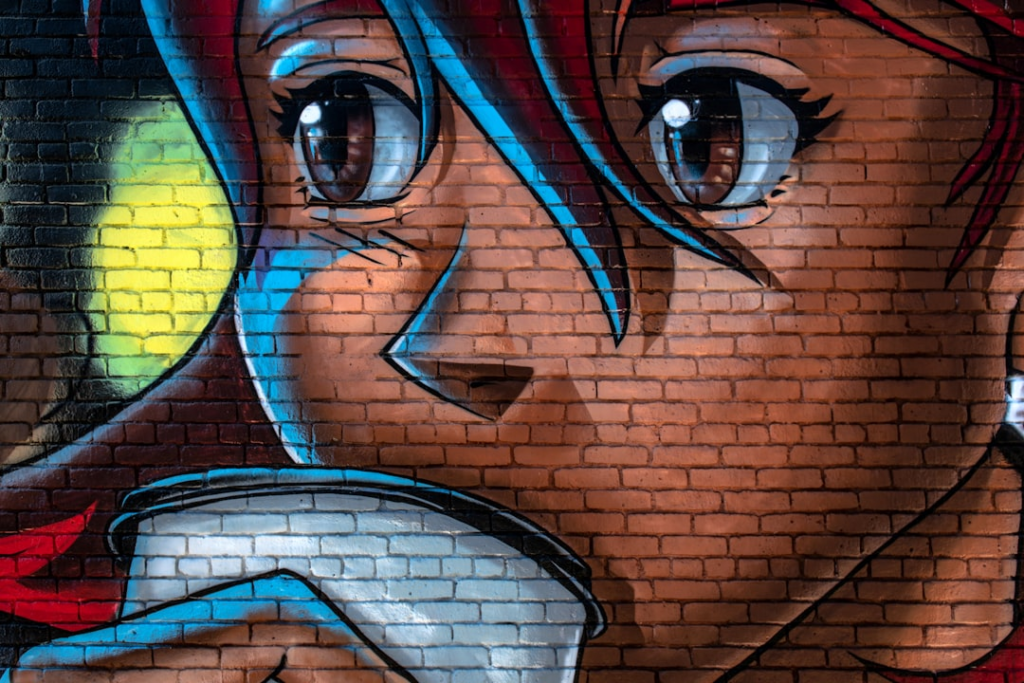
Hybrid art forms have flourished through the fusion of anime with genres such as graffiti. This blend is especially noticeable in urban environments, where street artists draw from anime’s eye-catching visuals to inject new life into public spaces. Taiwanese artist Renoiz stands out among these artists, combining graffiti’s raw, kinetic energy with anime’s refined character work. His murals often explore themes of personal and cultural identity, pushing the boundaries of what is traditionally considered “anime art.” The result is a highly expressive, emotionally resonant artistry that appeals to both anime fans and street art enthusiasts alike.
AI-Generated Anime-Style Art
The intersection of artificial intelligence and anime aesthetics has spawned a flourishing niche in digital art. Through advanced AI image generators like OpenAI’s tools, users can now convert photographs into images that resemble the gentle, dreamlike aesthetic of Studio Ghibli films. These AI-driven techniques are spreading rapidly across social media, where users share anime-styled portraits and landscapes that evoke nostalgia and wonder. This technology allows creative exploration even for those lacking traditional drawing skills, yet it also sparks debate over artistic authenticity.
Technological Advancements Facilitating Fusion
The range and accessibility of digital tools have accelerated the fusion of anime and digital art. Programs like Clip Studio Paint, Adobe Photoshop, and Procreate offer features that emulate traditional anime production pipelines, including cel shading, gradient mapping, and custom brush sets. These applications allow for rapid experimentation, streamlined workflows, and new combinations of manual and automated creativity. At the same time, the development of AI-based editing and automation continues to expand the capabilities of emerging and established artists, opening the doors to styles not possible with pen and paper alone.
Global Impact of Anime Imagery
Anime’s visual language now permeates industries ranging from fashion to graphic design and advertising. On runways and in retail, anime-inspired prints and motifs have become highly sought after, reflecting their cultural influence beyond the screen. Even international branding campaigns increasingly incorporate anime elements to connect with younger, globally minded consumers. These trends attest to anime’s ability to adapt and resonate across cultural boundaries, shaping how creativity is valued and expressed worldwide.
Challenges and Controversies
Despite its broad appeal, the fusion of anime and digital art raises questions about creative ownership and the ethics of artificial intelligence. The easy replication of anime styles through AI prompts concerns among illustrators who worry about the loss of traditional skills and distinctive voices. Art communities continue to debate the legitimacy of AI-generated works, with passionate arguments on both sides regarding copyright, originality, and the future of authentic artistic practice. Major industry publications such as The Verge have covered these debates in-depth, offering perspectives from a range of artists and technologists.
Conclusion
Anime imagery sits at the crossroads of heritage and innovation, challenging and inspiring digital creators worldwide. As technology enhances artistic expression, it is vital for both artists and audiences to thoughtfully engage with these evolutions. By honoring anime’s legacy while embracing change, digital art can continue to grow as a meaningful, powerful form of creative expression that unites diverse visual traditions in unexpected ways.

Alexia is the author at Research Snipers covering all technology news including Google, Apple, Android, Xiaomi, Huawei, Samsung News, and More.