Wearables Are Revolutionizing Health and Vision Care: How Smart Technology Is Changing Everyday Wellness
Wearable technology has changed the way people think about personal health. Devices that once counted steps or tracked workouts now provide insights into sleep, activity levels, heart rate patterns, and daily habits. As technology continues to develop, wearables are becoming more connected, personalized, and useful in areas beyond fitness.
Vision care is becoming an important part of this transformation. From supporting people who wear prescription lenses to creating new ways to interact with the world, wearable technology is helping redefine what everyday health tools can do. Smart glasses, in particular, show how traditional eyewear can evolve into a connected device that supports both vision and lifestyle needs.
How Wearable Technology Is Changing Personal Health Management
From Fitness Data to Everyday Health Insights
For many people, wearable devices started as simple fitness companions. Smartwatches and activity trackers helped users count steps, measure exercise, and set movement goals. Today, these devices collect a much wider range of information that can help people better understand their overall wellness.
Modern wearables can monitor factors such as heart rate, sleep patterns, activity levels, and recovery indicators. Instead of looking at health as something that is only evaluated during a doctor’s appointment, people can now pay closer attention to daily habits and changes over time.
This shift has made health tracking more accessible. A person may notice that they are sleeping less, moving less, or experiencing changes in their usual patterns and use that information to make lifestyle adjustments or discuss concerns with a healthcare professional.
Why Continuous Monitoring Matters for Preventive Care
One of the biggest changes brought by wearable technology is the focus on prevention. Rather than waiting until a problem becomes noticeable, people can use everyday data to become more aware of their health.
Wearables do not replace professional medical advice, but they can provide useful information that supports better conversations between individuals and healthcare providers. Having access to personal health trends can help people ask more informed questions and take a more active role in managing their wellness.
As wearable devices become more advanced, their role is expanding from tracking activities to helping people make smarter decisions about their daily routines.
Why Vision Care Is Becoming Part of the Wearable Technology Movement
The Growing Need for Better Digital Eye Health Support
The way people use technology has also changed how they think about eye health. Many people now spend several hours each day looking at digital screens for work, learning, communication, and entertainment.
Extended screen use has increased awareness around visual comfort and the importance of regular eye care. While technology has created new challenges, it is also helping develop new solutions that support better vision experiences.
Wearable technology is becoming part of this conversation because glasses already have a natural place in people’s daily lives. Unlike many devices that users have to remember to wear, eyewear is already a familiar tool for millions of people.
How Smart Glasses Are Expanding the Role of Eyewear
Traditional glasses have always served an important purpose by helping people see clearly. Smart eyewear builds on that foundation by combining vision correction with connected features.
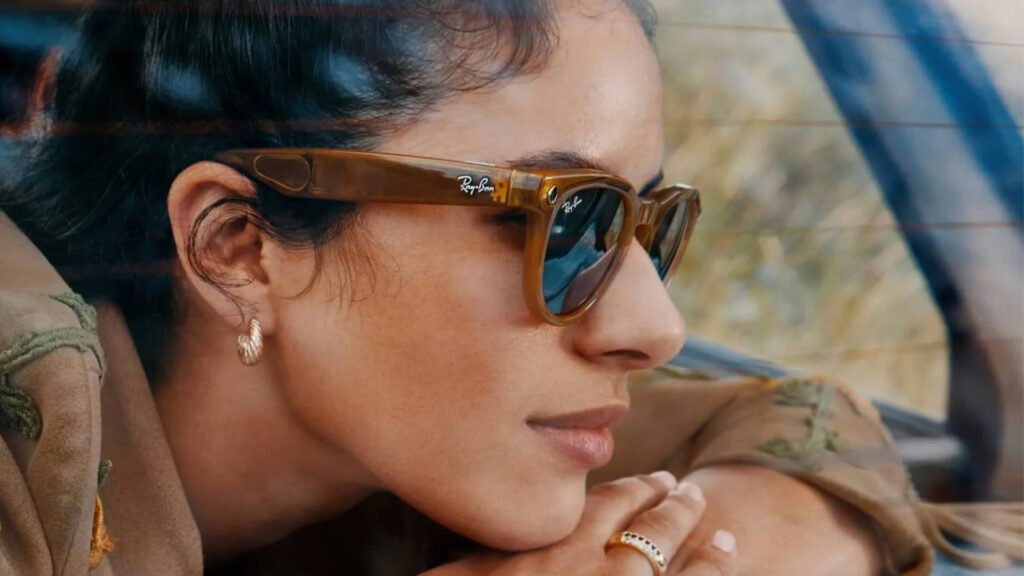
Today’s smart glasses can include cameras, microphones, speakers, and AI-powered tools that allow users to access information without constantly reaching for a phone. For people who rely on prescription lenses, innovations such as Ray-Ban Meta glasses prescription options show how connected eyewear can combine everyday vision needs with modern technology.
This evolution represents a broader change in wearable technology. Instead of adding another device to a person’s routine, smart glasses integrate technology into something many people already use every day.
How Smart Eyewear Can Support Health, Accessibility, and Daily Tasks
Technology That Helps People Interact With Their Environment
One of the most promising areas of wearable technology is accessibility. Smart eyewear can provide additional support by helping users access information in more convenient ways.
AI-powered glasses may assist with everyday activities through features such as voice-based controls, hands-free assistance, and tools that help users better understand their surroundings. These capabilities can be valuable for people who want additional support when navigating daily tasks.
For example, wearable technology could help users access information without needing to hold a device, making digital tools more available in situations where using a phone is inconvenient.
Making Wearable Technology More Natural to Use
For wearable technology to become part of everyday life, it needs to feel natural. Comfort, design, and ease of use all play an important role in whether people continue using a device after the initial excitement wears off.
Eyewear has an advantage because glasses are already a normal part of many people’s routines. When technology is built into a familiar object, it can feel less disruptive and easier to adopt.
The future of wearable health technology will likely depend not only on advanced features but also on how well these devices fit into real-life situations.
The Future of Wearables in Vision and Healthcare
AI-Powered Personalization and Smarter Health Support
Artificial intelligence is becoming a major part of wearable technology. As devices collect more information, AI can help turn that data into more useful and personalized experiences.
Instead of simply recording information, future wearables may provide more practical assistance based on individual preferences and needs. This could include smarter recommendations, improved accessibility features, and more personalized interactions.
The goal is not just to collect more data but to make technology more helpful in everyday situations.
Connecting Different Wearable Devices Into One Health Ecosystem
The future of healthcare wearables may involve multiple devices working together. Smart glasses, fitness trackers, and other health-focused devices could become part of a connected ecosystem that provides a broader picture of personal wellness.
This approach could help people understand different aspects of their health while making technology more integrated into their daily lives.
As wearable devices continue to evolve, the line between healthcare tools, lifestyle technology, and everyday accessories will continue to change.
Wearables Are Bringing Healthcare Closer to Everyday Life
Wearable technology is moving beyond fitness tracking and becoming part of a larger shift toward more personalized and accessible healthcare. From monitoring daily habits to supporting vision needs, these devices are changing how people interact with technology and their own wellness.
Smart glasses represent one example of how familiar products can become more powerful through innovation. As wearable technology continues to develop, the future of health and vision care will likely focus on making support more convenient, connected, and integrated into everyday experiences.

Alexia is the author at Research Snipers covering all technology news including Google, Apple, Android, Xiaomi, Huawei, Samsung News, and More.