What Statin Users Should Know About CoQ10 and Energy

Prescription statins have quietly become one of the most widely used medications in the modern world. They lower cholesterol effectively, protect against cardiovascular events, and often stay on the daily pill tray for decades. Yet a common complaint filters through waiting rooms and online forums: unexplained muscle aches, a slower rebound after workouts, an afternoon slump that feels heavier than it should, and legs that just do not carry the same spring. Many of these frustrations trace back to a specific side effect rarely discussed at the initial prescription.
Statins share a biochemical pathway with the body’s natural production of coenzyme Q10, and long-term use tends to drop circulating levels of this mitochondrial cofactor. Because CoQ10 fuels the energy currency behind every heartbeat and every muscle contraction, that decline shows up in ways that feel personal, not medical. This article looks at why the connection matters, how a well-chosen supplement can fill the gap, and what statin users should watch for on the label so the bottle actually delivers what their cells are missing.
The Connection Between Statins and CoQ10 Depletion
Statins work by blocking HMG-CoA reductase, an enzyme critical to cholesterol synthesis in the liver. That same enzyme sits upstream of the biological pathway your body uses to manufacture coenzyme Q10. When statins slow one process, they inadvertently slow the other. Blood levels of CoQ10 drop measurably within weeks of starting therapy, and the deficit tends to widen as the years of medication accumulate. Cardiologists have debated this connection for two decades, and while consensus on clinical severity varies, the biochemistry itself is not controversial.
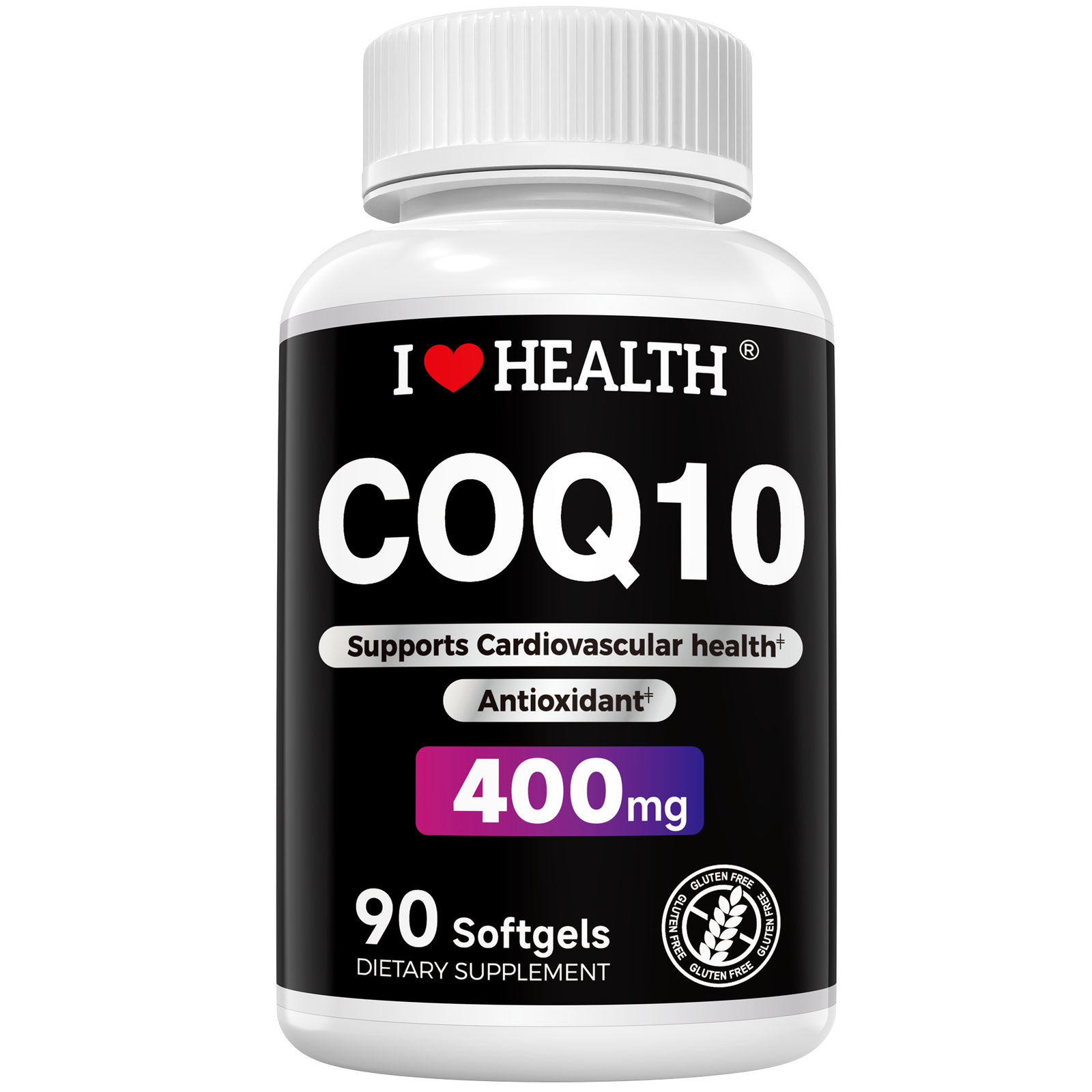
What happens next inside the cell explains the symptoms. Mitochondria depend on CoQ10 to shuttle electrons through the respiratory chain that produces ATP, the fuel every muscle burns to contract. Skeletal muscle, cardiac muscle, and neurons all consume enormous amounts of this energy, so they feel the pinch first. Adding a targeted coq10 supplement gives those tissues a route to replenish what medication has quietly subtracted, often without disturbing the statin itself.
Signals Worth Discussing With Your Doctor
Not every ache traces to depletion, but a pattern of symptoms deserves attention. Watch for muscle soreness that lingers beyond expected exercise recovery, cramping that visits particular muscle groups repeatedly, unexplained fatigue that afternoon caffeine cannot lift, reduced exercise tolerance, or a general dip in the daily energy you used to take for granted. Some adults notice cognitive dullness or slower physical recovery from minor illness. Bring these observations, along with any supplement plans, to a candid conversation with your prescribing clinician before adjusting anything.
Ubiquinone or Ubiquinol: The Practical Decision
Every CoQ10 product on the market falls into one of two chemical categories. Ubiquinone is the oxidized form, stable during shelf storage and less expensive to manufacture. The body converts it into ubiquinol, the reduced antioxidant-active form, using enzymes that generally work well in younger adults with healthy digestion. Ubiquinol arrives ready to use, skipping the conversion step, and tends to raise blood levels more efficiently in older adults or those with absorption challenges.
For statin users, the choice often comes down to age and how quickly you want to restore levels. Adults under fifty with strong digestion typically respond well to ubiquinone at moderate doses. Those over sixty, or anyone with a history of malabsorption or long-term statin use, may see stronger clinical results from ubiquinol despite the higher price tag. Both forms benefit from oil-based softgels rather than dry powder tablets, because CoQ10 is fat-soluble and absorbs poorly without lipid company.
Dose Ranges Worth Considering
General cardiovascular support in published research usually runs between 100 and 300 milligrams daily. Statin users seeking meaningful muscle recovery often move into the 200 to 400 milligram range, split across meals for steadier uptake. Extreme doses beyond that offer diminishing returns in most cases. The consistent thread across studies is not just the number but the pairing with dietary fat, so the softgel absorbs at a rate the body can actually use.
Sorting Through Labels With a Critical Eye
Front-of-bottle claims tell a marketing story, not a chemistry story. Focus on the milligram count of CoQ10 per softgel, not per serving, since some products list multiple capsules as a serving to make the number look larger. Confirm the form in plain language, whether ubiquinone or ubiquinol, and note the carrier oil, which affects absorption. Reputable brands such as iLoveHealth publish third-party testing results or make certificates of analysis available on request, letting you verify identity, potency, and freedom from contaminants before your money leaves your wallet.
Additives deserve scrutiny. A clean supplement panel lists a food-grade oil, a capsule material, and minimal excipients. Products packed with artificial colors, unnecessary sweeteners, and unfamiliar filler compounds signal a manufacturer more interested in shelf appeal than clinical value. Storage notes also matter. Opaque bottles protect the softgel from light degradation, and refrigeration recommendations often accompany higher-quality formulations that respect the sensitivity of the active ingredient.
Bioavailability Matters More Than Milligrams
Manufacturing tricks can either help or fake absorption. Some brands use phospholipid complexes, emulsification technology, or specialized carrier oils to improve intestinal uptake, and the research on these approaches ranges from convincing to marketing-heavy. The reliable baseline remains oil-based softgels over dry tablets. When a product costs noticeably more than competitors, verify that the premium buys documented absorption data rather than clever language. Solid science supports its claims with published studies, not vague adjectives.
Making CoQ10 Part of a Statin-Compatible Routine
Timing and pairing decide whether the supplement earns its keep. Take the softgel with the largest meal of the day, since dietary fat activates the absorption pathway. Morning or midday works well for most users because CoQ10 gently supports cellular energy and can feel activating for a subset of people if taken close to bedtime. Consistency matters more than perfection, so build the capsule into a habit already anchored in your day, whether that is breakfast, lunch, or a shared meal with family.
Complement the supplement with lifestyle inputs pointing at the same target. Steady aerobic movement, resistance training twice a week, seven to nine hours of quality sleep, and a plate leaning toward vegetables, olive oil, and fatty fish all raise the ceiling on what CoQ10 can accomplish. Hydration matters especially for adults on statins combined with blood pressure medication or diuretics. Discuss the supplement with your prescribing physician before starting, since interactions with warfarin and certain other medications warrant professional oversight.
Judging Results Fairly
Give any CoQ10 protocol eight to twelve weeks before drawing conclusions. Blood levels take time to build, and muscle tissue responds gradually to restored cellular energy. Keep a short daily log covering morning energy, afternoon focus, workout recovery, muscle soreness, and any changes in sleep quality. Objective markers like resting heart rate and blood pressure trends round out the picture. If nothing has shifted after three months at a reasonable dose, reconsider the form or brand rather than adding more capsules. Sometimes the answer is switching from ubiquinone to ubiquinol, other times it is simply pairing the softgel with a fattier meal.
Restoring Energy While Staying the Course on Statins
Statins protect the heart, but they can quietly drain the cellular fuel muscles depend on to feel strong and responsive. Understanding that trade-off gives adults a practical lever to pull. Choosing the right CoQ10 supplement means matching form to age, verifying milligrams per softgel rather than per serving, checking for third-party testing, and favoring oil-based delivery over dry tablets. Pair the capsule with a fat-containing meal, split doses across the day when possible, and keep the routine consistent for at least eight weeks before judging results. Bring the plan to your prescribing physician, log the changes you notice, and let steady lifestyle habits amplify what the supplement can achieve. When the product, the timing, and the surrounding routine align, CoQ10 stops being another shelf purchase and starts feeling like a quiet partner helping your body do what statins alone cannot.

Alexia is the author at Research Snipers covering all technology news including Google, Apple, Android, Xiaomi, Huawei, Samsung News, and More.