Why Manufacturers Are Replacing Manual Powder Filling With Automated Systems
Something has been shifting quietly on factory floors across the food, chemical, and pharmaceutical industries. Manual powder filling stations—once the default for small and mid-size operations—are being phased out faster than most industry observers expected. The driver isn’t just cost. It’s accuracy, and the growing realization that human error in powder handling is a problem that scales badly.
The numbers tell a straightforward story. A trained operator on a manual line typically achieves fill accuracy within plus or minus two to three percent. For low-value bulk commodities, that margin is acceptable. For specialty chemicals, pharmaceutical powders, or premium food ingredients sold by precise weight, it represents either product giveaway or non-compliant packaging—neither of which a manufacturer can afford at volume.
What’s Changed in the Last Five Years
Automated powder packaging isn’t new. What’s new is the price point and the flexibility. Early systems required high capital investment and were only economical at very high volumes. That equation has shifted significantly. Entry-level automated lines now offer multi-format capability—handling different bag sizes, powder densities, and fill weights from the same machine—without the retooling downtime that made earlier systems impractical for operations running shorter, more varied production runs.
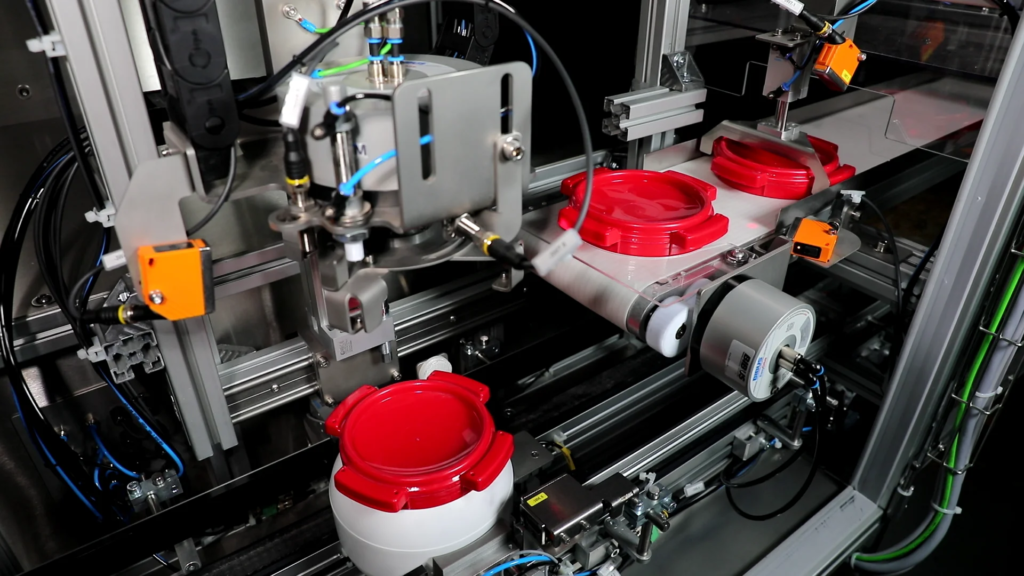
A modern powder packing machine integrates weighing, filling, and sealing into a single continuous process, typically with net-weight accuracy in the range of plus or minus 0.2 to 0.5 percent. For operations that have been absorbing the cost of manual variance for years, the efficiency gap is difficult to ignore once it’s been quantified.
The Labor Calculation Has Also Changed
Labor availability has made the automation case easier to close. Powder filling is physically demanding, repetitive work with above-average turnover in most facilities. Recruiting and retraining costs add a layer of operational friction that doesn’t show up cleanly in standard cost-per-unit calculations but is felt at the management level every quarter. Automated lines run with minimal staffing for monitoring and maintenance, which shifts the workforce toward higher-skill roles rather than eliminating headcount entirely—a framing that has made internal approval easier at many companies.
Dust Control and Compliance Are Pushing the Shift Further
Regulatory pressure around airborne particulates has been another quiet accelerant. Industries handling fine powders—flour, cement, pharmaceutical actives, agrochemicals—face increasingly strict standards around dust containment. Manual filling inherently generates more airborne product than enclosed automated systems. For facilities already investing in ventilation and PPE to stay compliant, the marginal cost of automation looks smaller than it did when regulations were less enforced.
The transition isn’t happening everywhere at once. Smaller operations with highly variable SKUs and limited floor space are still weighing the investment. But the direction is clear. As machine prices continue to fall and integration with existing ERP and quality systems becomes more straightforward, the remaining holdouts are running out of reasons to wait.
For purchasing managers currently evaluating options, the practical question has shifted from whether to automate to which system fits the specific output range, bag format, and powder characteristics of their line—a much more productive conversation than it was even three years ago.

Alexia is the author at Research Snipers covering all technology news including Google, Apple, Android, Xiaomi, Huawei, Samsung News, and More.