Why Proof of Service Is Becoming the New Currency of Field Operations

Field service companies have traditionally competed on speed, price, and reliability. Today, proof is becoming just as important. Platforms designed for specialized workflows, including snow removal software and broader field service software, help businesses document when work occurred, where it happened, who completed it, and what the customer received.
That shift may sound administrative, but it is changing how service companies protect revenue, manage risk, and build trust.
A Completed Job Is No Longer Enough
Service documentation used to be simple.
A technician might mark a job complete, leave handwritten notes, or call the office with an update. Photos remained on personal phones. Arrival times were estimated. Materials were often entered later from memory.
That approach becomes unreliable as a business grows.
Commercial clients increasingly expect detailed records. Property managers want confirmation that every location was serviced. Customers may question an invoice weeks after the work occurred. Office teams need accurate information before billing.
Saying a job was completed is no longer always enough. Businesses need a clear record showing what happened.
Every Job Creates Valuable Data
A modern service record can include:
- Crew assignment
- GPS-confirmed arrival and departure
- Time spent on-site
- Before-and-after photos
- Equipment and materials used
- Work notes and signatures
- Additional services performed
- Invoice and payment status
Together, these details create a digital history of the job.
That history benefits both customers and managers. It can reveal which jobs regularly exceed estimated time, which properties need repeat visits, which routes create delays, and which completed services have not yet been billed.
Documentation turns daily activity into useful operational data.
Snow Removal Shows Why Proof Matters
Snow removal is a strong example because the work is urgent, weather-dependent, and often tied to safety.
During a storm, one crew may service dozens of properties. Some sites require plowing, while others need sidewalk clearing, salting, de-icing, or repeat visits as conditions change.
Customers are often not present when the service occurs. A property manager overseeing several locations cannot personally inspect every parking lot and walkway.
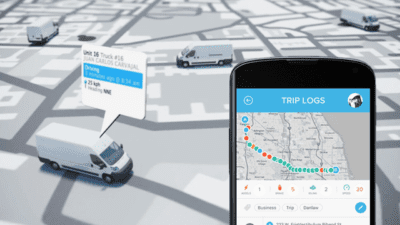
Digital records can confirm that a crew arrived at a specific time, completed the assigned service, uploaded photos, and recorded materials used.
The contractor gains evidence supporting the invoice. The customer receives a clear record of the work. Managers can also see which properties remain incomplete without repeatedly calling every crew.
Documentation Protects Revenue
Poor documentation creates financial leakage.
A technician may complete extra work but forget to report it. The office may delay an invoice because job details are missing. A customer may dispute a charge because there is no clear service record.
Individually, these problems appear small. Across hundreds of jobs, they can significantly reduce profit.
Connected software can move completed work directly into billing. Labour, materials, photos, and approvals remain attached to the same record.
This supports faster invoicing and reduces the gap between work performed and revenue collected.
For growing businesses, improving billing accuracy can be nearly as valuable as winning more customers.
Better Records Improve Customer Experience
Customer communication often fails because the office lacks current information.
A customer calls asking when a technician will arrive. The dispatcher contacts the worker. The worker is driving or completing another job. The customer waits.
A connected system can show job status, crew location, estimated arrival, and completion details.
Automated updates can notify customers when a worker is on the way, when service begins, and when the job is finished.
This level of transparency is already common in transportation and delivery apps. Customers increasingly expect the same visibility from home and commercial service providers.
Operational History Improves Decisions
Service records become more valuable over time.
A technician can review previous notes, photos, access instructions, equipment details, and recurring issues before arriving. The company no longer depends on one employee’s memory.
Historical data can also improve estimating. Managers can compare expected job duration with previous visits, review material usage, and identify site conditions that caused delays.
This helps businesses price future work more accurately and identify unprofitable contracts earlier.
AI Will Make Service Data More Actionable
Artificial intelligence will make these records even more useful.
AI systems may identify incomplete jobs, missing photos, unusual service times, unbilled work, scheduling conflicts, or customers at risk of dissatisfaction.
They may also summarize technician notes, recommend follow-up services, predict job duration, and flag contracts with shrinking margins.
The quality of those insights depends on the quality of the underlying data. A company cannot automate effectively when information is scattered across text messages, spreadsheets, paper forms, and personal devices.
Trust Will Become a Measurable Advantage
Field service businesses have always depended on trust.
Customers trust crews to arrive, complete the correct work, protect the property, and charge accurately. Technology does not replace that trust. It makes it visible.
Businesses that provide clear records, timely updates, accurate invoices, and consistent documentation may gain an advantage over competitors still relying on informal processes.
The future of field operations will not be defined only by faster scheduling or better routing.
It will also be defined by accountability.
In a service economy where work often happens away from the customer’s view, proof may become one of the most valuable things a company can provide.

Alexia is the author at Research Snipers covering all technology news including Google, Apple, Android, Xiaomi, Huawei, Samsung News, and More.