Why Server Room Humidifiers Are Critical For IT Reliability
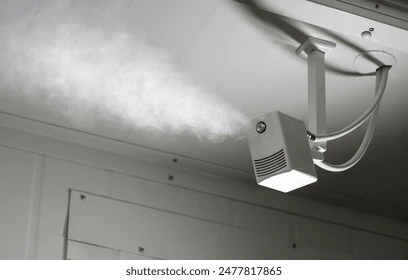
Modern data centers rely on precise environmental conditions to function at peak performance. Maintaining the right atmosphere is not just a luxury; it is a fundamental requirement for IT infrastructure reliability. Without proper moisture control, sensitive hardware faces significant risks that can lead to unexpected technical failures.
In this article, we explore how server room humidifiers protect hardware from static electricity and material degradation, how to select the right technology for your facility, and the maintenance practices that keep your systems running reliably long term.
Key Takeaways
- Environmental control is essential for maintaining consistent hardware performance.
- Proper moisture levels prevent static electricity from damaging sensitive components.
- Advanced climate management is a core pillar of long-term operational success.
- Consistent humidity levels significantly reduce the risk of sudden equipment failure.
- Proactive monitoring helps organizations avoid costly interruptions to their digital services.
The Physics of Humidity in Data Center Environments
The invisible balance of moisture in the air dictates the health of your high-density computing hardware. When facility managers ignore these physical properties, they risk catastrophic hardware failure.
Understanding Relative Humidity and Dew Point
Relative humidity measures the amount of water vapor present in the air compared to the maximum amount the air could hold at a specific temperature. The dew point represents the temperature at which air becomes saturated and water begins to condense.
If the temperature drops below this point, moisture forms on cold surfaces, which can lead to short circuits. Monitoring relative humidity ensures that the air remains within a safe window, preventing both excessive dryness and dangerous condensation.
The Impact of Dry Air on Sensitive Electronic Components
Dry air increases the electrical resistance of the surrounding atmosphere, significantly raising the risk of electrostatic discharge (ESD). When the air lacks sufficient moisture, static electricity builds up on surfaces and components more easily, and a single discharge can permanently damage sensitive microchips or corrupt data stored on magnetic media.
Key physical risks include:
- Increased ESD events: Low humidity allows static charges to accumulate on personnel and equipment.
- Material degradation: Extremely dry air can cause certain plastics and rubber components to become brittle over time.
- Conductivity shifts: Fluctuations in relative humidity alter the electrical properties of the air, potentially causing intermittent signal errors.
Why a Server Room Humidifier is Essential for Hardware Longevity
Hardware longevity depends heavily on the invisible balance of air quality within your server room. While temperature control often takes center stage, moisture regulation serves as a critical pillar for IT equipment protection.
Preventing Electrostatic Discharge (ESD) Damage
When air becomes too dry, static charges accumulate on surfaces and equipment, leading to sudden, catastrophic failures. Implementing proper humidification allows these charges to dissipate safely into the air rather than arcing across delicate circuit boards, providing essential protection for your most sensitive components.
Maintaining Optimal Operating Conditions for Storage Media
Magnetic storage media and tape drives are exceptionally sensitive to environmental fluctuations. Low humidity can cause tape to shrink or become brittle, leading to read/write errors and potential data loss. Dry air also causes plastics to become brittle and rubber seals to crack over time, compromising the structural integrity of server chassis.
A stable, humidified environment is essential for the long-term reliability of your entire infrastructure.
| Condition | Humidity Level | Hardware Impact |
| Very Dry | Below 30% | High risk of ESD and material cracking |
| Optimal | 40% – 60% | Stable performance and extended lifespan |
| Excessive | Above 70% | Risk of corrosion and condensation |
ASHRAE Standards and Recommended Humidity Ranges
Achieving optimal server room conditions starts with understanding the framework provided by ASHRAE. These guidelines serve as the gold standard for facility managers who need to balance equipment safety with energy efficiency.
Defining the Allowable and Recommended Environmental Envelopes
ASHRAE distinguishes between recommended and allowable ranges to provide flexibility for different facility types. The recommended range represents the ideal environment for long-term hardware reliability and energy savings, while the allowable range provides a wider margin for short-term operation during maintenance or cooling system failures. Facility managers must prioritize the recommended envelope to ensure the highest level of system uptime.
The Risks of Over-Humidification and Condensation
While dry air poses a threat to electronics, excessive moisture is equally dangerous. When humidity levels exceed the recommended threshold, water vapor can condense on cold surfaces inside the server chassis, leading to short circuits and long-term corrosion of delicate metallic contacts.
Condensation is particularly problematic during rapid temperature fluctuations or when cooling systems are improperly calibrated.
| Humidity Level | Hardware Impact | Risk Assessment |
| Below 20% | High ESD risk | Critical |
| 40% – 60% | Optimal performance | Low |
| Above 70% | Condensation/Corrosion | High |
Selecting the Right Server Room Humidifier for Your Facility
Selecting an effective server room humidifier requires a careful balance of technical specifications and facility needs. Making an informed procurement decision helps protect sensitive hardware from the dangers of dry air.
Comparing Steam Canister vs. Ultrasonic Humidification Technologies
Steam canister systems are often preferred for their inherent ability to provide sterile moisture through boiling, offering reliable and predictable performance in demanding industrial settings. Ultrasonic units offer significant energy savings and rapid response times, making them well suited for smaller, high-density zones.
Understanding these differences allows you to align your choice with your facility’s maintenance capabilities and operational priorities.
| Feature | Steam Canister | Ultrasonic |
| Energy Efficiency | Moderate | High |
| Maintenance Needs | Periodic canister replacement | Regular cleaning of transducers |
| Sterility | High (boiling kills bacteria) | Requires treated water |
Integration with Building Management Systems (BMS)
Modern humidification systems should never operate in isolation. Integrating your unit with a Building Management System provides centralized control and real-time visibility into your environmental health, allowing for automated adjustments based on changing server loads or external weather conditions.
A well-integrated system will send automated alerts to your maintenance team if humidity levels drift outside the recommended range, enabling rapid troubleshooting before hardware damage occurs.
Best Practices for Monitoring and Maintenance
Operational excellence in data centers depends heavily on the reliability of your humidification systems. Consistent oversight transforms reactive repairs into a predictable cycle of data center maintenance.
Calibrating Sensors for Accurate Environmental Readings
If your monitoring tools provide incorrect data, the system may trigger unnecessary humidification or fail to respond to dangerous dryness. Technicians should perform sensor calibration checks at least twice a year using certified reference instruments, and always document these events to maintain a clear audit trail for compliance purposes.
Establishing a Routine Maintenance Schedule for Water Quality
Poor water quality leads to mineral buildup that can clog nozzles and damage internal components over time. Replacing filters and cleaning tanks on a set schedule extends the lifespan of your equipment significantly, minimizing the risk of unexpected hardware failures caused by scale or biological growth.
| Maintenance Task | Frequency | Primary Goal |
| Sensor Calibration | Bi-Annually | Ensure Data Accuracy |
| Water Filter Replacement | Quarterly | Improve Water Quality |
| Tank Descaling | Semi-Annually | Prevent Mineral Buildup |
| System Log Review | Monthly | Identify Fluctuations |
Conclusion
Protecting your IT investment requires a commitment to precise environmental control. A high-quality server room humidifier acts as a primary defense against the hidden dangers of dry air, and reliable hardware performance depends on strict adherence to ASHRAE standards.
Proactive maintenance remains the cornerstone of a stable facility. Regular checks on water quality and sensor calibration prevent unexpected downtime and costly repairs. Take the necessary steps today to optimize your server room climate for long-term success and protect your mission-critical infrastructure.
FAQs
Why is a server room humidifier considered critical for IT reliability?
A server room humidifier serves as the primary defense against environmental instability. By maintaining precise moisture levels, these systems ensure continuous uptime and prevent the catastrophic hardware failures associated with poor air quality and dry conditions.
What role does moisture regulation play in preventing Electrostatic Discharge (ESD)?
Proper humidification allows static charges to dissipate effectively through the air rather than accumulating on surfaces and components. By keeping humidity within the correct range, facilities can prevent ESD damage that threatens the integrity of sensitive electronic components and server chassis. This protection is especially critical in high-density computing environments where a single discharge can cause permanent hardware failure.
What maintenance is necessary to keep a humidification system running efficiently?
Routine sensor calibration is vital to ensure accurate environmental readings and prevent the system from responding to faulty data. Facilities must also manage water quality through regular filter replacement and tank descaling to prevent mineral buildup that leads to equipment failure. Reviewing system logs monthly helps identify fluctuation patterns before they escalate into larger, more costly disruptions.

Alexia is the author at Research Snipers covering all technology news including Google, Apple, Android, Xiaomi, Huawei, Samsung News, and More.