Life With an Alcohol Interlock Device: Practical Tips
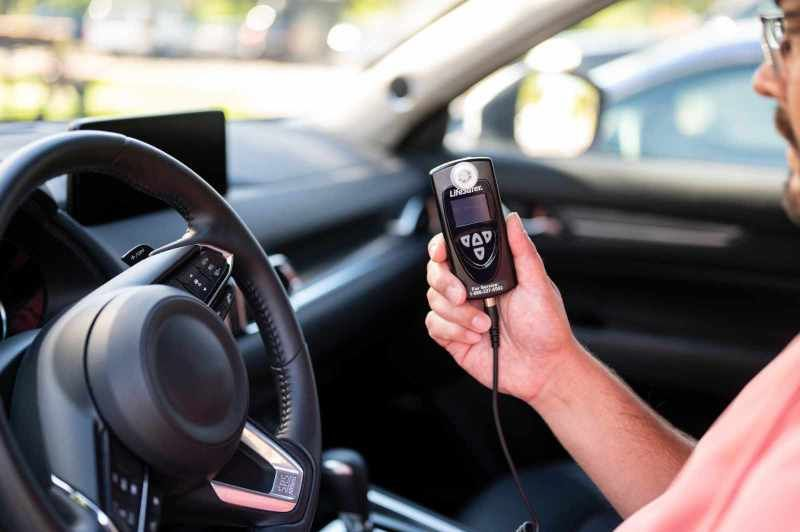
Navigating life with an alcohol interlock device can be a significant adjustment for individuals who have been mandated to use one. Most commonly required following a drink-driving conviction, these devices are designed to prevent the operation of a vehicle if the driver has consumed alcohol. While the introduction of an interlock device to one’s daily routine may initially seem daunting, incorporating practical tips can make adaptation smoother and ensure compliance with legal requirements.
Understanding the Interlock Device
The premise of an alcohol interlock device is straightforward: it requires the driver to provide a breath sample that proves they are not under the influence of alcohol before the vehicle can start. This safety measure is an effective way to prevent repeat offences and promote responsible driving habits. While such devices are an imposition, they serve a significant public safety function.
Compliance and Operation
To live effectively with an interlock device, understanding the operation and responsibilities of the user is critical. Submitting timely breath samples, which confirm no alcohol consumption, is essential to ensure the vehicle starts. In addition, periodic retests while driving may be required to ensure continued sobriety. Timely compliance with these retests is imperative for both legal adherence and personal safety.
Seeking Professional Interlock Installation
When faced with the requirement for an interlock device, locating a professional Interlock installation service can vastly improve your experience. Expert technicians ensure that the device is correctly integrated with your vehicle’s ignition system, thereby reducing the risk of malfunctions and ensuring reliability.
Locating an Installation Service
For many individuals, finding an interlock device installation near me is a priority. Convenience is key when it comes to regular maintenance and calibration checks that are part and parcel of living with an interlock device. Proximity to service centres can make the process less burdensome and help maintain the device’s functionality.
Maintenance of the Interlock Device
Maintaining an interlock device is a recurring responsibility. Routine maintenance, often conducted on a monthly basis, is necessary to ensure the system is operational and accurate. Failure to maintain the device can result in legal penalties, including extended interlock periods or fines. Scheduling regular appointments with your service provider is an important aspect of complying with programme requirements.
Adapting to Daily Use
Daily use of an interlock device requires planning and patience. It’s important to allow extra time for starting your vehicle, as the analysis of breath samples can take a few minutes. Establishing a routine that accounts for this additional time can alleviate stress and ensure punctuality for your commitments.
Managing False Positives
On occasion, an interlock device may register a false positive, which is a reading that incorrectly indicates the presence of alcohol. To mitigate this risk, users should avoid consuming food or beverages that might contain alcohol or interfere with the device’s sensor. If a false positive occurs, it’s crucial to understand the steps necessary to clear the record and avoid unwarranted penalties.
Living with Interlock Restrictions
Adjusting to life with an interlock device involves abiding by usage restrictions and understanding that any attempts to circumvent the system can lead to severe legal consequences. Transparency and diligence in following the rules not only maintain compliance but also contribute to rebuilding trust with legal institutions and potentially reducing the duration of the interlock requirement.
Support Systems: The Smart Start Program
Participation in a support program, such as the Smart Start program, can offer invaluable assistance. These programs often provide users with guidance, technical support, and resources to navigate the challenges of having an interlock device. They work to ensure that participants have all the tools needed to succeed in their commitment to sober driving.
Learning Technical Troubleshooting
Understanding some basic technical troubleshooting can save time and alleviate issues with the interlock device. While it’s always preferable to seek professional assistance with any significant problems, knowing how to reset the device or deal with common issues can make all the difference when on the road.
Budget Consideration for Interlock Devices
Life with an interlock device also impacts one’s finances, as participants must bear the cost of the device’s installation, lease, and routine upkeep. Budgeting for these expenses in advance can prevent financial strain and ensure the device remains in good working order, thereby fulfilling the terms of the program.
Preparing for Emergencies
In emergency situations, it’s crucial to know how the interlock device will operate. Some devices have features that allow for an emergency override, but these incidents must be reported immediately and are strictly monitored. Being prepared for such events and knowing the correct protocols can avert additional complications.
Conclusion: Embracing the Interlock Journey
In conclusion, while the initial imposition of an alcohol interlock device can be challenging, embracing the journey can lead to positive outcomes. Not only does it assist in maintaining one’s safety and the safety of others on the road, but it can also be a valuable step towards responsible and sober driving habits. By seeking professional installation, maintaining the device, and engaging with supportive programs, individuals can navigate life with an alcohol interlock device more comfortably and with confidence in their journey towards rehabilitation.

Alexia is the author at Research Snipers covering all technology news including Google, Apple, Android, Xiaomi, Huawei, Samsung News, and More.