Unlocking Performance: The Ultimate Guide to Choosing the Best Gaming Laptop
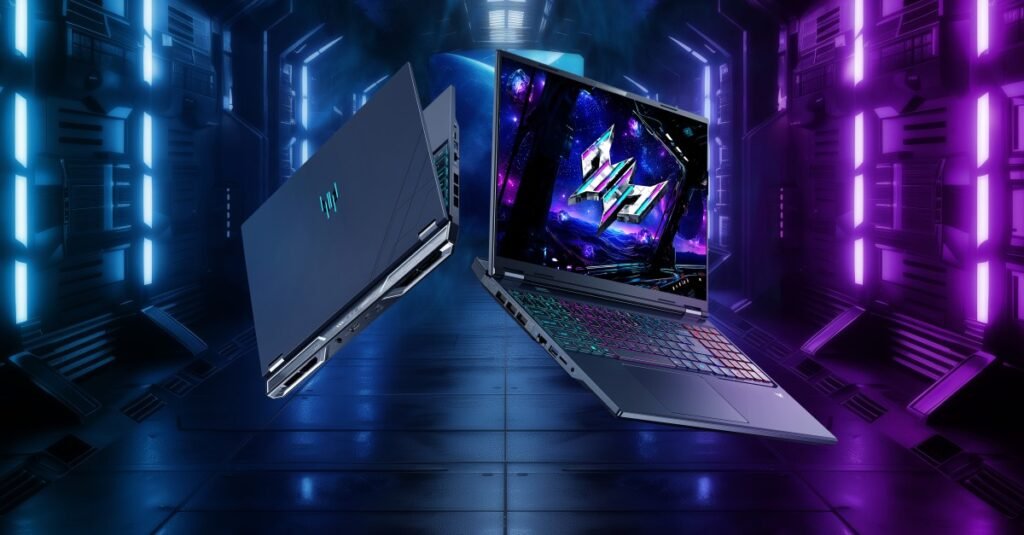
Modern gaming laptops have evolved into sophisticated powerhouses capable of delivering desktop-like performance in a portable form factor. As gaming continues to gain mainstream popularity, selecting the right gaming laptop becomes crucial for the optimal gaming experience. This guide aims to assist potential buyers in making informed decisions by exploring essential factors that affect gaming laptops’ performance.
Understanding the Processor
The processor, also known as the central processing unit (CPU), is the heart of any gaming laptop. It plays a crucial role in processing game instructions and overall system performance. When evaluating gaming laptops, potential buyers should consider CPUs from reliable manufacturers such as Intel and AMD, focusing on high-performance models like the Intel Core i7 or AMD Ryzen 7, which are commonly found in high-end gaming devices.
For gamers who engage in resource-intensive tasks such as video editing in addition to gaming, choosing a laptop with a powerful CPU is advisable. The capacity to handle multiple threads and maintain high processing speeds will ensure that a laptop delivers a smooth experience across various applications.
Graphics Processing Unit Importance
The graphics processing unit (GPU) is another critical component affecting a gaming laptop’s performance. A robust GPU ensures high frame rates and detailed visuals, contributing to an immersive gaming experience. Chipsets from NVIDIA and AMD dominate the market, with models such as NVIDIA’s GeForce RTX series being particularly popular among enthusiasts for their exceptional performance.
When selecting a GPU, it is important to consider the types of games you play and their system requirements. Gamers interested in AAA titles with demanding graphics should look for laptops equipped with high-end GPUs capable of delivering smooth frame rates at high settings.
Memory and Storage Options
Memory (RAM) and storage significantly impact a gaming laptop’s multitasking capabilities and game load times. A minimum of 16GB of RAM is recommended to ensure smooth performance and prevent bottlenecks when running concurrent applications. For those seeking future-proofing, considering a laptop with upgradable RAM might be beneficial.
Storage options typically include hard disk drives (HDD) and solid-state drives (SSD). SSDs are preferred due to their faster data access speeds, which result in quicker load times for games and applications. Many gaming laptops offer configurations with a combination of SSDs for the operating system and commonly used games, along with larger HDDs for broader data storage needs.
Display Quality
A quality display greatly influences the gaming experience. When evaluating gaming laptops, consider factors such as resolution, refresh rate, and panel type. A 1080p Full HD resolution is standard, but 4K displays offer enhanced detail for a more immersive experience, albeit at a higher price point.
High refresh rates, such as 144Hz or 240Hz, provide smoother visuals, which is particularly beneficial in fast-paced games where fluidity is crucial. Additionally, IPS panels are known for their better colour and viewing angles compared to TN panels, enhancing the visual experience.
Design and Build
The design and build quality of a gaming laptop can affect its portability and durability. Slim and lightweight models offer increased portability but might sacrifice some performance due to thermal constraints. On the other hand, bulkier designs can accommodate better cooling solutions and, subsequently, better performance.
Considering where and how often the laptop will be used can inform the choice of design. A model with a robust build might be a better investment for gamers who travel frequently or attend LAN parties.
Keyboard and Audio Features
Input devices such as the keyboard and audio output play important roles in gaming. Mechanical or membrane keyboards with RGB backlighting provide tactile feedback and customisation options, which can enhance gameplay.
Audio quality is equally important for gaming immersion. Laptops equipped with high-quality speakers or those supporting advanced audio technologies such as Dolby Atmos offer an enhanced audio experience. Alternatively, gamers might opt for quality headphones for a more personal gaming session.
Battery Life Considerations
Battery life is a concern for gaming laptops, as intense processes can deplete power reserves rapidly. While gaming performance should not be judged solely on battery life, opting for models with efficient power management systems can ensure longer unplugged sessions and convenience for gaming on the go.
Ultimately, it is advisable for gamers to keep a power source nearby when engaging in intensive gaming sessions, as no laptop battery can sustain high performance for extended periods.
Connectivity and Ports
Connectivity options and available ports can significantly affect a laptop’s versatility. Gamers should look for laptops with multiple USB ports, HDMI outputs, and fast wireless connectivity standards, such as Wi-Fi 6, to cater to a comprehensive range of peripherals and networking needs.
Including ports such as USB-C with Thunderbolt 3 can also provide added compatibility and future-proofing, allowing users to connect additional high-speed devices.
Conclusion
In conclusion, selecting the right gaming laptop involves balancing several components, each contributing to the overall performance and user experience. From processors and GPUs to display quality and build design, understanding these elements can empower potential buyers to make informed decisions, ensuring they choose a laptop that aligns with their gaming and professional needs. Careful consideration and a focus on particular preferences will enable users to maximise their investment and enjoy countless hours of immersive gaming.

Alexia is the author at Research Snipers covering all technology news including Google, Apple, Android, Xiaomi, Huawei, Samsung News, and More.