LibreOffice: The lack of AI functions is now considered a feature
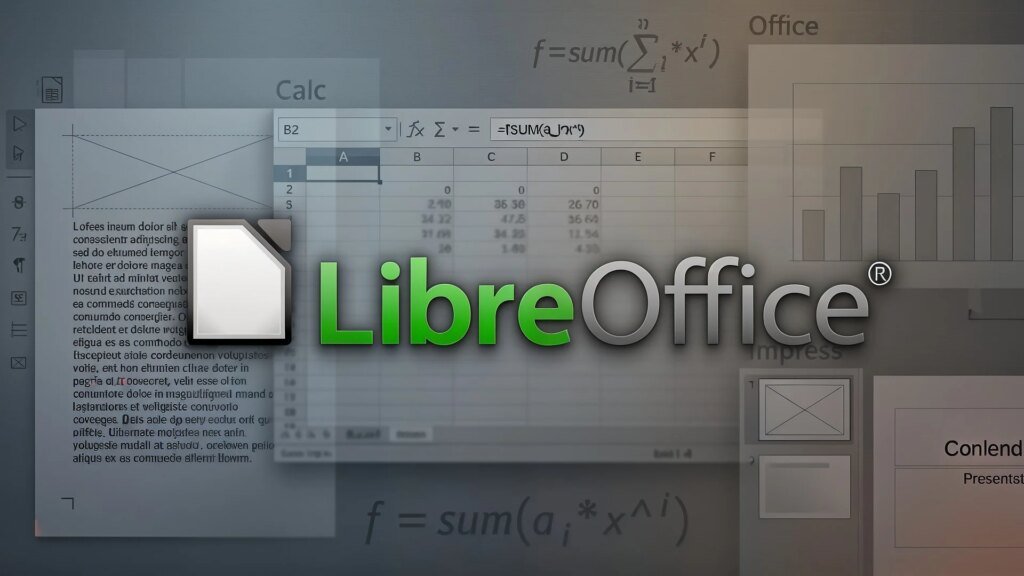
The developers of LibreOffice deliberately forego the integration of artificial intelligence. With the focus on protecting user data, the lack of AI functions in the Office suite is now officially considered a feature.
Conscious decision against AI
After the release of LibreOffice 26.8 at the end of August, The Document Foundation made it clear that the open-source office software will not receive any generative functions for artificial intelligence for the time being. The lack of AI assistants is not a technical backwardness, but rather a conscious design decision by the developers. LibreOffice users include hospitals, law firms and authorities, i.e. institutions that regularly work with sensitive or legally protected information. According to the foundation, users should retain control over their data. The developers emphasize that when processing confidential documents, the only reliable guarantee for a data protection audit is that the data never leaves the local computer.
Strict criteria for the future
Like founding member Italo Vignoli in one Blog post explains, the project does not fundamentally reject the technology. However, integration into the standard installation only takes place when strict criteria are met. Telemetry must not take place and there must be no dependence on the interfaces of a single provider. In addition, AI-generated content must be in ODF format and maintain its structure, formatting and semantics. The position differs from commercial competitors such as Microsoft 365 or Google Workspace. Because The Document Foundation operates as a nonprofit organization, there are no subscriptions that require a price increase to be justified by new AI features. In addition, there is no business model based on the monetization of user data. AI functions would also have to be completely optional, meaning they could be installed, removed and hidden from the user interface.
Extensions as an alternative
Users who do not want to do without artificial intelligence can upgrade the functionality on their own responsibility. Using third-party extensions, the program can be connected to locally running models via Ollama or LM Studio, for example. The document contents do not leave your own computer either, although checking the data security of such plugins is the responsibility of the respective users or administrators. The current criteria do not represent a final rejection of the technology. The developers are closely monitoring the rapid progress in open-source models and local data processing on standard hardware. However, until a solution meets all conditions, the software remains completely AI-free in its default setting.

Research Snipers is currently covering all technology news including Google, Apple, Android, Xiaomi, Huawei, Samsung News, and More. Research Snipers has decade of experience in breaking technology news, covering latest trends in tech news, and recent developments. Can be reached at author1@researchsnipers.com