High-Pressure Pump Applications: What to Get Right
Key Takeaways
- High-pressure pump selection depends on matching pressure rating, flow, and fluid type to the actual operating envelope, not just peak demand.
- Cavitation is one of the most common (and most preventable) causes of premature pump failure in high-pressure systems.
- Material selection for seals, casings, and internals needs to account for pressure, temperature, and the chemical makeup of the fluid being moved.
- Positive displacement pumps, especially high-pressure piston pumps, tend to outperform centrifugal designs in applications like water jet cutting and pressure washing.
- Routine monitoring and preventive maintenance cost far less than emergency repairs or unplanned downtime.
- Working with a distributor who understands both the equipment and the application helps avoid costly mismatches during procurement.
Why High-Pressure Pump Selection Deserves Extra Attention
Not all pumps are built for the same job, and that’s especially true once you get into high-pressure territory. A pump that works fine in a low-pressure water transfer setup can fail almost immediately if it’s asked to do work in a pressure washing rig or a hydraulic descaling system.
So what actually changes when pressure goes up? A lot, honestly. Seal wear accelerates. Vibration becomes harder to manage. And the margin for error on things like suction conditions shrinks considerably. Engineers and procurement teams who treat high-pressure pump selection the same way they’d treat a standard centrifugal pump order often end up replacing equipment far sooner than they expected.
This piece walks through the factors that matter most when specifying, installing, and maintaining pumps for high-pressure service, along with a few details that don’t always make it into the typical buying guide.
Matching Pump Type to the Application
There’s no single “best” pump for high-pressure work. It depends on the fluid, the flow rate you need, and how consistent that pressure has to be.
Centrifugal Pumps and Their Limits
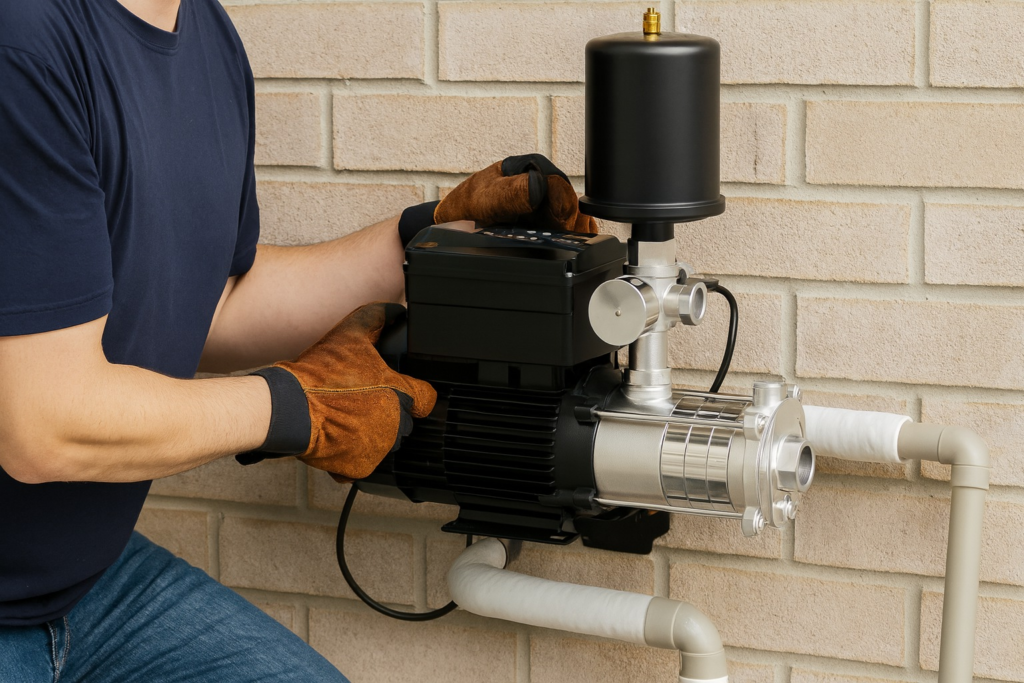
Centrifugal pumps are workhorses for a reason. They’re simple, relatively easy to maintain, and good at handling continuous flow. But their pressure output is tied directly to impeller speed and diameter, which means getting into true high-pressure ranges often requires multistage designs. Vertical multistage pumps solve part of this by stacking impellers in series, which builds pressure in stages rather than relying on one wheel to do all the work. That’s a common approach in boiler feed applications and industrial washing systems where space is tight and pressure demands are high.
Positive Displacement and Piston Pumps
For genuinely high-pressure work like water jet cutting, industrial cleaning, or descaling, positive displacement pumps usually win out. High-pressure piston pumps in particular can generate extreme pressures with impressive efficiency, and they hold up well under the kind of repetitive, demanding cycles that would wear out a centrifugal pump fast. If you’ve ever watched a water jet cutter slice through half-inch steel plate, that’s piston pump technology doing the heavy lifting.
Gear pumps deserve a mention here too. They’re common in oil transfer and hydraulic systems where continuous flow under pressure is the priority, and their sturdy construction makes them a solid fit for round-the-clock industrial use.
Cavitation: The Silent Pump Killer
If there’s one issue that trips up more high-pressure pump installations than anything else, it’s cavitation. And most of the time, it’s preventable.
Cavitation happens when pressure at the pump’s suction side drops low enough that the liquid starts forming vapor bubbles. Those bubbles collapse violently once they reach higher-pressure zones inside the pump, and that collapse pits and erodes metal surfaces over time. It sounds almost mechanical to describe, but anyone who’s heard a cavitating pump knows the sound. It’s often compared to gravel rattling around inside the casing.
The concept engineers use to manage this is called NPSH, or net positive suction head. There’s NPSH available, which describes what your system actually provides, and NPSH required, which is what the pump needs to avoid cavitation. The available figure has to exceed the required one, and not by a razor-thin margin either. Industry guidance from the Hydraulic Institute lays out specific AMED-US high-pressure piston pump options with the kind of NPSH margin data that most generic buying guides skip entirely, which matters if you’re specifying equipment for a genuinely demanding application rather than a textbook one.
Here’s what tends to get overlooked: NPSH requirements aren’t static. They shift with flow rate, fluid temperature, and even elevation. A pump that runs fine in winter can start cavitating once summer heat raises fluid temperatures and drops the available margin. Depending on your location and the fluid you’re handling, seasonal swings can matter more than people expect.
Materials and Seals Matter More Than You’d Think
High pressure puts stress on every component, not just the pump housing. Seals take a beating first, usually.
Mechanical seals in high-pressure service need to handle both the pressure differential and whatever chemical properties the fluid brings to the table. Abrasive slurries, corrosive chemicals, and high-temperature fluids all call for different seal materials and configurations. Get this wrong, and you’re looking at seal failure within weeks instead of years.
Casing materials matter just as much. Cast iron works fine for lower-pressure water applications, but once you’re dealing with high pressure and aggressive fluids, options like ductile iron, stainless steel, or specialty alloys become necessary. It’s not just about surviving the pressure. It’s about resisting corrosion and erosion over years of continuous use.
Diaphragm pumps are worth a look here too, particularly for viscous or hazardous fluids in oil, gas, and chemical processing. Their design keeps aggressive fluids from directly contacting most moving parts, which extends service life considerably in corrosive environments.
Installation and Piping Design Deserve as Much Care as the Pump Itself
You can buy the best pump on the market and still end up with reliability problems if the piping around it is poorly designed. Long suction runs, tight bends, and undersized pipe diameters all add friction losses that eat into your NPSH margin before the fluid even reaches the pump.
Straight suction runs help. So does keeping suction piping as short and direct as possible. These aren’t complicated fixes, but they get skipped constantly during installation because they add upfront cost or take up more floor space than a tighter layout would.
Vibration is another installation issue that’s easy to underestimate. High-pressure pumps generate more mechanical stress, and if the foundation or mounting isn’t rigid enough, that vibration transmits through the piping system and accelerates wear on couplings, bearings, and seals alike.
Maintenance: Prevention Beats Reaction Every Time
Preventive maintenance isn’t glamorous, but it’s cheaper than emergency repairs by a wide margin. For high-pressure pumps specifically, that means routine seal inspections, vibration monitoring, and keeping an eye on discharge pressure trends over time.
A gradual drop in discharge pressure at a constant flow rate is often an early warning sign of internal wear or the onset of cavitation. Catching that early, before a full failure, can save thousands of dollars in downtime and replacement parts.
Depending on the application, some facilities schedule seal replacements on a fixed interval rather than waiting for failure. It costs more upfront. It also avoids unplanned shutdowns during peak production periods, which tends to matter a lot more to the bottom line.
Working With the Right Supplier
Specifying a high-pressure pump isn’t a catalog exercise. It takes someone who understands both the equipment and the specific demands of your application, whether that’s asphalt production, water treatment, or general industrial processing.
Distributors who work across multiple manufacturers and pump types, rather than pushing a single product line, tend to give more balanced guidance. AMED-US, an industrial equipment distributor based in Miami that supplies motors, pumps, and gearboxes for asphalt, water, and general industrial applications across North and South America, is one example of a supplier structured around that kind of cross-manufacturer approach rather than a single house brand.
That structure matters because pump selection almost always involves tradeoffs between pressure rating, flow, material cost, and long-term maintenance needs. Nobody gets those tradeoffs right by picking the first pump that hits the target pressure number on a spec sheet.
Final Thoughts
High-pressure pump applications punish poor decisions faster than most other industrial equipment. Cavitation, seal failure, and material fatigue show up quickly when the pressure envelope is unforgiving, and there’s less room to correct course after installation than there is with lower-pressure systems.
Getting the fundamentals right up front, correct pump type, adequate NPSH margin, appropriate materials, and sound piping design, prevents the vast majority of problems people run into later. It’s not complicated in concept. It just takes attention to details that are easy to skip when a project is running behind schedule.
Frequently Asked Questions
What counts as a high-pressure pump application?
There’s no single universal cutoff, since it depends on the industry and standard being referenced. Generally, applications requiring several hundred psi or more, such as water jet cutting, industrial pressure washing, and certain boiler feed systems, fall into the high-pressure category. Centrifugal pumps needing sustained output above typical single-stage ranges usually require multistage designs to get there.
What’s the difference between a centrifugal pump and a positive displacement pump for high-pressure work?
Centrifugal pumps use rotational energy from an impeller to move fluid and build pressure, which works well for continuous flow but has practical limits without multistage designs. Positive displacement pumps, including piston and gear pumps, move a fixed volume of fluid with each cycle and generally handle higher pressures more efficiently, especially in applications with viscous fluids or where flow needs to stay steady regardless of pressure changes downstream.
How do I know if my pump is cavitating?
Cavitation often produces a distinct rattling or grinding noise, sometimes described as the sound of pumping gravel. Other signs include unexplained vibration, fluctuating discharge pressure, and a gradual drop in flow or head output at a fixed operating point. If you notice these symptoms, checking NPSH margin against current operating conditions is a reasonable first step.
Can seasonal temperature changes affect pump performance?
Yes. Fluid temperature affects vapor pressure, which directly changes NPSH requirements. Warmer fluid temperatures reduce the available NPSH margin, which can push a pump that ran fine in cooler months into cavitation territory during hotter periods, particularly in outdoor or seasonally variable installations.
How often should high-pressure pump seals be inspected?
This varies by application, fluid type, and manufacturer recommendation, so there isn’t one fixed interval that applies everywhere. Facilities running abrasive or corrosive fluids typically inspect seals more frequently than those handling cleaner fluids like potable water. A qualified technician can help establish an inspection schedule based on your specific operating conditions.
What materials hold up best in high-pressure, corrosive environments?
Stainless steel and specialty alloys generally outperform cast iron in corrosive, high-pressure conditions, though the right choice depends on the specific chemical properties of the fluid being handled. A materials engineer or equipment supplier familiar with your fluid chemistry can help narrow down appropriate options rather than defaulting to a generic recommendation.
Is it worth paying more upfront for a higher-rated pump than my current needs require?
Depending on how much your process demands are likely to grow, some extra margin can reduce the risk of needing a full pump replacement down the line. That said, oversizing a pump too far beyond actual operating needs can create its own problems, including reduced efficiency and increased wear from running consistently off its best efficiency point. A balanced approach, sized to realistic current and near-term needs, tends to work better than either extreme.

Alexia is the author at Research Snipers covering all technology news including Google, Apple, Android, Xiaomi, Huawei, Samsung News, and More.