Medical Technology Leadership Programs and Industry Collaborators: The Essential Resource Roundup
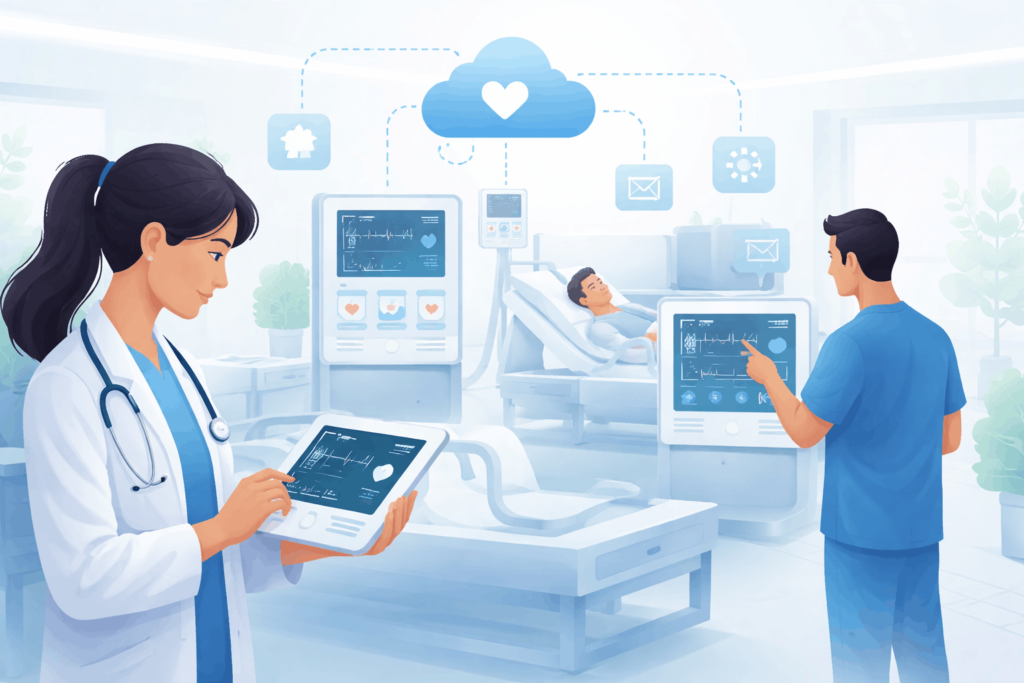
In today’s healthcare landscape, collaboration between academic programs and corporate leaders fuels both technological innovation and improved patient outcomes. This essential roundup brings together top medical technology leadership programs and their closest industry collaborators, offering a comprehensive snapshot of the ecosystem shaping the future of medtech. Discover how each partner leverages its unique strengths, and how their collective impact drives greater advancements in health and wellness.
Key Takeaways
- Medical technology leadership programs equip the next generation of leaders to navigate and shape the rapidly changing healthcare industry.
- Strong partnerships between universities and top medical tech companies accelerate practical progress from the classroom to patient care.
- Evaluating educational and industry networks holistically helps prospective students and professionals choose programs with the greatest real-world relevance and opportunities.
Table of Contents
- Lamar University: M.Ed. in Educational Technology Leadership
- MIT xPRO: Leadership Program in Medical Technology and AI
- Stanford Health Futurists: Advanced Leadership Program
- University of Minnesota: Master of Medical Device Innovation
- Johnson & Johnson MedTech
- Medtronic
- Abbott Laboratories
Our Methodology
This resource was curated by evaluating educational programs and businesses based on four critical factors: breadth and depth of curriculum, proven partnerships, quantifiable industry impact, and leadership in innovation. Programs were selected for their robust industry engagement and graduates’ documented improvement in global healthcare organizations. Corporate partners were chosen for their widespread recognition, measurable influence (including Fortune 500 rankings and segment revenues), and ongoing collaborative efforts with universities and the broader medtech network. Data for industry standing and output were sourced from recent financial reports, consolidated medical technology rankings, and published case studies from academic and business news outlets.
1. Lamar University: M.Ed. in Educational Technology Leadership
Lamar University sets the standard for developing technology-driven education leaders. Their 100% online Master of Education in Educational Technology Leadership provides deep expertise in instructional design, technology integration, and organizational change management. Over 90% of graduates secure leadership or advanced practitioner roles within 12 months, according to the university’s 2023 outcomes report.
For program details, visit the online med technology leadership page.
This curriculum’s synergy with healthcare and medtech partners enables students to tackle issues such as telemedicine deployment, digital patient education, and HIPAA-compliant technology rollouts across schools, hospitals, and research institutes.
Why it’s on the list
- Proven leader in graduate job placement in technology management roles.
- Flagship partnerships with major hospital systems and healthcare device companies for real-world student projects.
- Cited by U.S. News & World Report for curriculum innovation and instructional impact.
2. MIT xPRO: Leadership Program in Medical Technology and AI
MIT xPRO’s seven-month program is designed for executives who want to lead at the intersection of technology and healthcare. Coursework covers AI in diagnostics, genomics, digital health platforms, and commercialization. Over 80% of program alumni go on to champion AI-driven change initiatives within large health systems or medical device firms.
Why it’s on the list
- World-class faculty publish over 100 studies annually in medtech and AI.
- MIT’s partnerships with startups and Fortune 500 healthcare companies ensure students work on the latest tech in clinical and operational settings.
- Participants gain access to the MIT Alumni Innovation Network, a community that has launched more than 30 successful medtech startups in the last three years alone.
3. Stanford Health Futurists: Advanced Leadership Program
This exclusive program targets C-suite health executives, arming them with tools to reshape the future through genomics, precision medicine, wearables, and digital therapeutics. Stanford’s program is renowned for its project-based collaborations with regional health systems and pioneering Silicon Valley medtech firms.
Why it’s on the list
- Curriculum led by faculty who have collectively authored over 750 scholarly articles on digital health transformation.
- Recent participants include chiefs of medicine from 100+ hospital networks and innovation leaders from top medtech companies.
- Strong track record of influencing policy changes in interoperability and digital health reimbursement models.
4. University of Minnesota: Master of Medical Device Innovation
This master’s program prepares professionals to manage complex medical device projects from concept to commercialization. Students benefit from capstone experiences within Minnesota’s renowned healthcare cluster, which accounts for more than $5 billion in medtech revenue annually (Medical Alley Association, 2023).
Why it’s on the list
- Consistent internship placement with Medtronic, Boston Scientific, and Abbott Laboratories.
- Courses in global regulatory affairs and reimbursement are tied directly to partnerships with the FDA and international health agencies.
- Graduates credited with leading 20+ successful device launches since 2020, according to university alumni records.
5. Johnson & Johnson MedTech
As the world’s largest diversified medical technology company (over $27 billion in annual medtech revenue in 2023), Johnson & Johnson MedTech is at the core of advancing health solutions across orthopedics, surgery, and digital health. Their open innovation model with academic and clinical partners accelerates translation from academic ideation to hospital-use products faster than the industry average. Collaboration includes R&D partnerships with leading universities and direct support for clinical trials and education initiatives.
Why it’s on the list
- #1 market position by medtech revenue globally, per Forbes.
- Sustains 250+ major academic and clinical research partnerships worldwide.
- Driving advances in surgical robotics, AI-powered diagnostics, and digital patient engagement platforms.
6. Medtronic
Medtronic is pivotal in the collaborative medtech network, conducting research and development in 150+ countries and generating over $31 billion in annual revenue. Known for cardiac devices, diabetes management, and advanced surgical technologies, Medtronic often partners with education providers and hospitals on large-scale joint ventures to improve access to care globally.
Why it’s on the list
- Consistently cited as a leader in collaborative innovation – partnering in more than 50 multi-institutional clinical studies in 2022.
- Integrates educational partnerships into global upskilling and leadership training programs for healthcare professionals.
- Recognized for increasing the operational efficiency of partner hospitals by up to 30% following digital surgical workflow integrations (company quarterly reports, 2023).
7. Abbott Laboratories
Abbott provides a vital link in healthcare tech, spanning diagnostics, medical devices, nutrition, and branded pharmaceuticals. With products in over 160 countries and annual revenue surpassing $43 billion, Abbott is a key player in regulated product trials and deployment, giving it a central role in the education-to-industry pipeline for global health solutions.
Why it’s on the list
- Supports hands-on learning and technology transfer initiatives at universities worldwide.
- Consistent track record of successful co-development with academic engineering departments.
- Ranks top three globally in point-of-care diagnostics and remote patient monitoring systems.
Choosing a top medical technology leadership program is not just about the school’s reputation, but about the active role it plays in the broader healthcare innovation ecosystem. Partnerships and real-world insights from these institutions and their corporate collaborators help graduates make a direct impact on patient care, operational efficiency, and technological progress worldwide.
Together, these programs and companies form the backbone of the healthcare technology ecosystem. Their collaborative approach ensures medical technology leaders have the vision, skills, and support networks necessary to drive sustained advancement in patient care globally.

Alexia is the author at Research Snipers covering all technology news including Google, Apple, Android, Xiaomi, Huawei, Samsung News, and More.