How Selecting the Right Sensory Toys Can Help Improve Autism Assessments
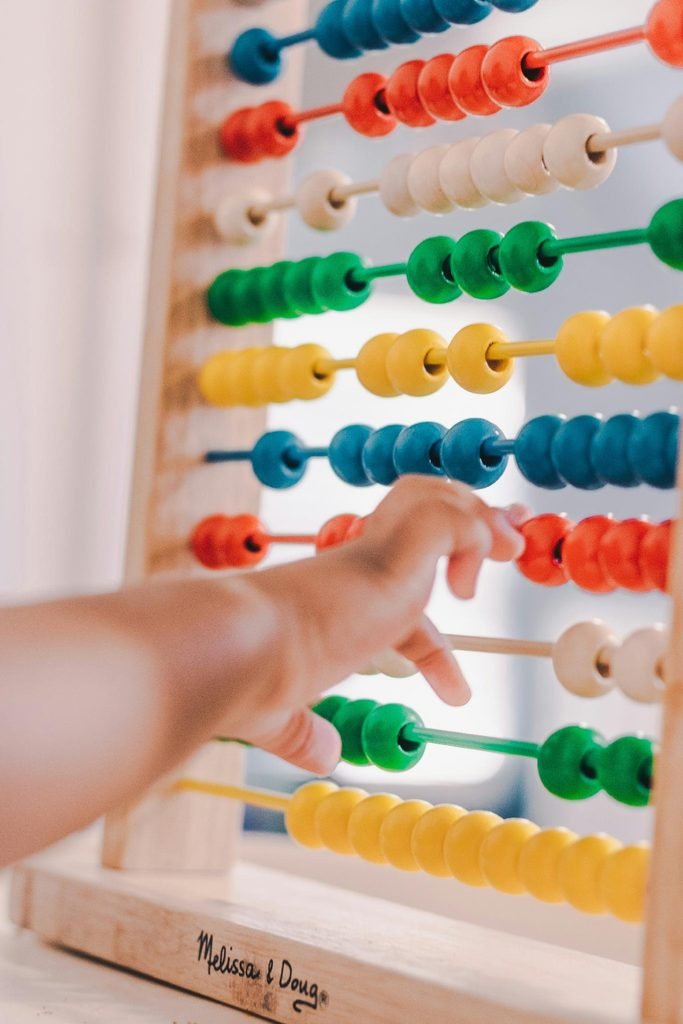
Sensory toys can naturally provide important details about autistic children—including their development and abilities—that standardized testing and behavior rating scales can miss. Dr. Marilyn Monterio, who has worked with more than 4,000 discovered autistic children and hundreds of educators, discovered that these techniques were not sufficient enough on their own until she introduced sensory toys into her practice.
Sensory Conversation Starters
Monterio began gathering what she calls her “sensory conversation starters.” She learned that using sensory toys could help showcase a child’s strengths and differences, how they use language and communication, and a look into their social behavior.
This approach by Monterio eventually became the autism assessment known as MIGDAS™-2— the Monteiro Interview Guidelines for Diagnosing the Autism Spectrum, Second Edition. This assessment helps create a personalized profile for each individual, relying on detailed conversations with multiple sources, and links to customized intervention approaches.
Using Sensory Materials to Obtain Fundamental Information
Sensory materials also help evaluators discover “an aversion or sensitivity to sensory input,” per Monterio. Relying on sensory-based conversations, along with sensory materials, helps evaluators decide between:
- a child with ASD who focuses on objects to help them better organize their thinking; or
- a typically developing child who thrives mentally on social communication.
Sensory materials can also help improve an assessment’s quality when working with verbally fluent adults. Practitioners can place multiple sensory objects near the adult before the interview begins, allowing an assessor to observe how the adult self-regulates with sensory materials throughout the experience.
When working with verbally fluent adults, Monterio recommends providing novel fidget items. These items may include sensory stress balls and magnets for manipulation. Allowing adults to use fidget items promotes a more productive diagnostic interview.
While searching for the best sensory materials, Monteiro came up with five specific categories, detailed in her 2010 book, Autism Conversations: Evaluating Children on the Autism Spectrum through Authentic Conversations.
1. Noisemakers
Noisemakers can help evaluate an individual’s sensory sensitivity and auditory processing, including vibrations and sound production. Using these tools helps identify hypo- or hyper-reactivity to noise. Types of noisemakers include:
- thunder tube percussion instruments;
- plastic microphones with an echoing effect;
- plastic tubes that emit squawking sounds when in motion; and
- various other musical instruments.
2. Science Objects
Science-based objects use interactive, hands-on learning toys to evaluate tactile sensitivities and communication. Examples of science-based objects may feature:
- an expanding sphere;
- magnets;
- a small robot that moves and lights up; and
- a robot arm that grabs items.
3. Visual Cause-and-Effect Toys
Visual cause-and-effect toys help measure social interaction and engagement levels. They can also highlight an individual’s cognitive understanding when performing certain actions to obtain a specific outcome. Visual cause-and-effect toys may include:
- magnetic puzzles;
- spinning, light-up materials that turn on by pressing a button; and
- water games.
4. Tactile Objects
Tactile objects can help identify an individual’s fine motor skills and sensory processing abilities. These toys may feature:
- vibrating animal-shaped toys; and
- sensory stress balls with varying textures.
5. Alternatives
Using alternative toys and objects may focus on cognitive flexibility and sensory engagement, leading to more responsiveness if it activates an individual’s special interests. Alternative toys may include:
- figurines;
- books; and
- photos of popular video game or cartoon characters.
Benefits of Using Sensory Toys During Autism Assessments
Toys have long been shown to help patients build bonds with health professionals. They may also relieve anxiety in clinical settings, according to a 2023 study in SciELO Brazil (Ciuffo et al., 2023), and can provide multiple benefits such as:
- Improved engagement and focus: Materials and play settings can impact engagement. A 2022 study in Sage Journals showed that children preferred movement toys, which improved their engagement time with caretakers (Binns et al., 2022).
- Reduced stress: Sensory toys may have a calming and distracting effect on children. For example, including sensory kits—which may contain light-up wands, squeeze balls, and push-pop bubble toys—can help improve a child’s experience within a hospital setting. (Roy et al., 2022).
- More individualized assessments: About 74% of autistic kids respond to sensory stimuli in atypical ways (Kirby et al., 2022). One study provided different toys based on individual sensory needs, and found that those with the greatest engagement were multi-sensory toys, or more specifically, the toys that emitted both sound and light such as the light-board and the bubble tube-touch (Unwin et al., 2023).
- Behavioral observations: According to a 2025 report by the Centers for Disease Control and Prevention, a comprehensive evaluation of autistic children depends on “a thorough review of how a child plays, learns, communicates, acts, and moves” (CDC, 2025).
An effective autistic evaluation needs a multifaceted approach. Including sensory materials and toys, in addition to standardized assessments, can help a child behave more typically without adding stress. Evaluators can then observe, diagnose, and give out appropriate support.

Alexia is the author at Research Snipers covering all technology news including Google, Apple, Android, Xiaomi, Huawei, Samsung News, and More.