Storage crisis: Small manufacturers are happy when they get something
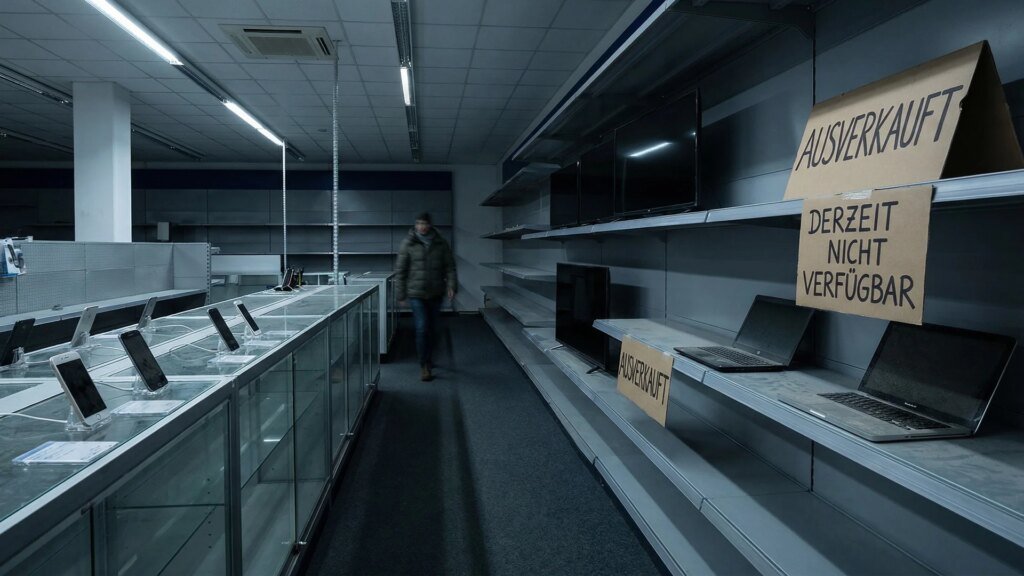
For many hardware manufacturers, it is not the increased price of components that is becoming a problem in the wake of the memory crisis, but rather their availability. Smaller producers in particular have their backs against the wall in this regard.
The pressure is enormous
“If you don’t get an allocation, you’re out of the game anyway,” Raymond van Eck, head of Dutch smartphone maker Fairphone, told the news agency Reuters. Manufacturers of cheaper devices in particular are coming under pressure due to developments. Memory can now account for up to 60 percent of the material costs in lower mid-range smartphones. Rising component prices can make the production of entry-level devices uneconomical. A quick easing of the situation is not in sight.
The head of memory manufacturer SK Hynix said in July that 2027 would likely be the most difficult year in the industry from a supply perspective. According to him, demand could even exceed available production capacities beyond 2030. The market researchers at Counterpoint Research therefore expect global smartphone shipments to decline by 13.9 percent to 1.08 billion devices in 2026. That would be the largest annual decline since records began.
The price increase has recently weakened. TrendForce still expects contract prices for conventional DRAM to increase by 13 to 18 percent in the current quarter. In the first quarter, prices had risen by 93 to 98 percent. This does not mean a lasting relaxation for the manufacturers. Companies are therefore reacting by making changes to product design. The Finnish provider Jolla has developed two variants of its motherboard in order to be able to switch between a combined memory chip and individual chips. In the laptop manufacturer Framework, the RAM is already modular. Customers can also continue to use memory modules removed from older devices.
Hard pricing
In addition, quality controls are becoming more stringent. Jolla examines samples from each batch delivered to ensure that they are indeed new and not remanufactured chips. Manufacturers are also taking new approaches to procurement: Framework orders components well in advance and accepts that they do not yet know the later price, delivery date or final quantity. Companies hardly have any more left. Because they have to assert themselves in the highly competitive market against large manufacturers like Apple.
The Cupertino group in particular has been known for many years for having used its market power to secure important quotas from suppliers. The increased costs are ultimately passed on to customers in different ways. Framework adjusts its prices in a timely manner, while Jolla offers paid storage upgrades. Fairphone, however, has not yet increased its prices. Jolla boss Sami Pienimäki does not expect supply to normalize until 2028.

Amit Gohar is Technical writer at ResearchSnipers.com, he is well versed Technology News writer, he has completed is MS computer Science in 2020. He can be reached at amit.g@researchsnipers.com