The Dashcam Paradox: When Your Own Footage Helps the Other Driver’s Case
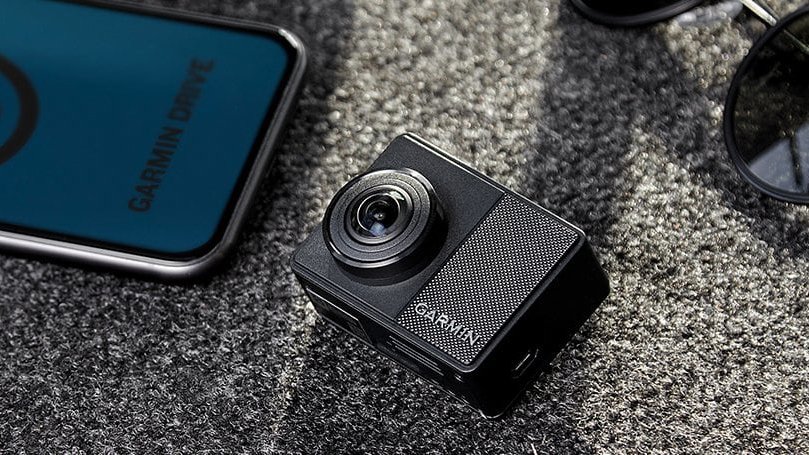
Most drivers assume a dashcam is a one-way weapon: proof for you, trouble for the other guy. It cuts the other way more often than people expect. The same continuous recording that catches a red-light runner also catches your speedometer, your following distance, the glance down at the console, and the correction you made half a second too late. Once that file exists, it belongs to the case — not necessarily your side of the case.
That’s the paradox. The device you bought to protect yourself can be pulled into the record by the other driver’s lawyer, their insurer, or a police investigator, which is why any car accident attorney will tell you the footage can be read against you.
The Problem Nobody Warns You About at Checkout
Dashcams have gone mainstream. Roughly one in three drivers wants one in their next car, and a meaningful share of owners have already captured a crash on video. The pitch is simple: buy the camera, mount it, and if something happens, you have a witness that doesn’t blink.
The part the box doesn’t mention is that the footage belongs to the incident, not to you. Once a collision happens, that video becomes a piece of evidence the other side can ask for. An insurer’s adjuster can request it, and a subpoena can compel it. A clip you were sure vindicated you can show something you didn’t notice in the moment — a rolling stop two blocks back, a phone in your right hand, a speed that was fine for the limit but wrong for the rain.
The reason this matters so much comes down to fault. In most places, how much you can recover after a crash depends on the percentage of blame assigned to each driver. Comparative fault rules vary by jurisdiction, and a handful of places still use a much harsher standard where any fault at all on your part can wipe out your claim entirely. Your own footage can move that percentage in either direction.
Why ‘Just Delete It’ Is the Worst Fix
The obvious instinct, once a driver realizes the video isn’t flattering, is to make it disappear. Pull the card and format it, or leave it in and let the loop overwrite the file on the next drive to work.
Problem solved. Except it isn’t. Destroying evidence you had reason to believe was relevant to a claim is a category of trouble all its own. Depending on the jurisdiction, it can support a spoliation instruction — the judge tells the jury they may assume the missing footage would have hurt you.
It can invite sanctions. In serious cases, it can create criminal exposure. And the fact of deletion tends to surface anyway, because forensic examiners can often tell a card was wiped and roughly when.
Editing is worse. A trimmed clip won’t be treated the way an original file is. Courts expect video to arrive in its original, unedited form to be considered reliable. The moment you cut the ten seconds you don’t like, you’ve handed the other side a story about you that’s worse than anything the ten seconds contained.
Refusing to hand it over isn’t much better. If the footage is subpoenaed, silence turns into a fight you didn’t want, on a subject you didn’t choose.
What Actually Works After a Crash
The workable answer is boring: preserve everything, share nothing on your own, and let someone who does this for a living decide what leaves your hands. A few practical moves before you talk to anyone:
- Pull the card immediately. Take it out of the camera at the scene or as soon as it’s safe. Loop recording will happily overwrite the crash if you keep driving on the same card.
- Copy, don’t edit. Make a bit-for-bit copy of the original file to a second drive and put the card itself somewhere safe. Don’t trim, convert, add captions, or run it through an app. The original is the evidence.
- Say less to the adjuster. You don’t owe the other driver’s insurer a copy on request, and often you don’t owe your own insurer a narrated commentary either. Insurance adjusters read footage looking for reasons to shift blame — a moment you had time to brake and didn’t, a lane change without a signal, a speed that undercuts your story.
- Get a lawyer involved before you send the file. An attorney can review the footage first, understand how it will read to an adjuster or a jury, and decide when and how it goes out. That’s a very different posture from emailing an unedited clip to a stranger who’s paid to reduce your payout.
The Camera Is a Witness, Not an Ally
None of this makes dashcams a bad idea. They’re often the single strongest piece of evidence in a disputed crash, and plenty of drivers have been made whole because a clean clip showed exactly what happened. The point is that the camera is a neutral witness. It records what you did as faithfully as what was done to you, and once a claim is live, the other side gets to ask what it saw.
Buy the camera. Mount it legally. Keep the card intact after anything serious. And before that file travels anywhere, let someone whose job is your side of the case be the one who sends it.

Alexia is the author at Research Snipers covering all technology news including Google, Apple, Android, Xiaomi, Huawei, Samsung News, and More.