Best PMU Ink vs. Ordinary Inks: A Critical Choice
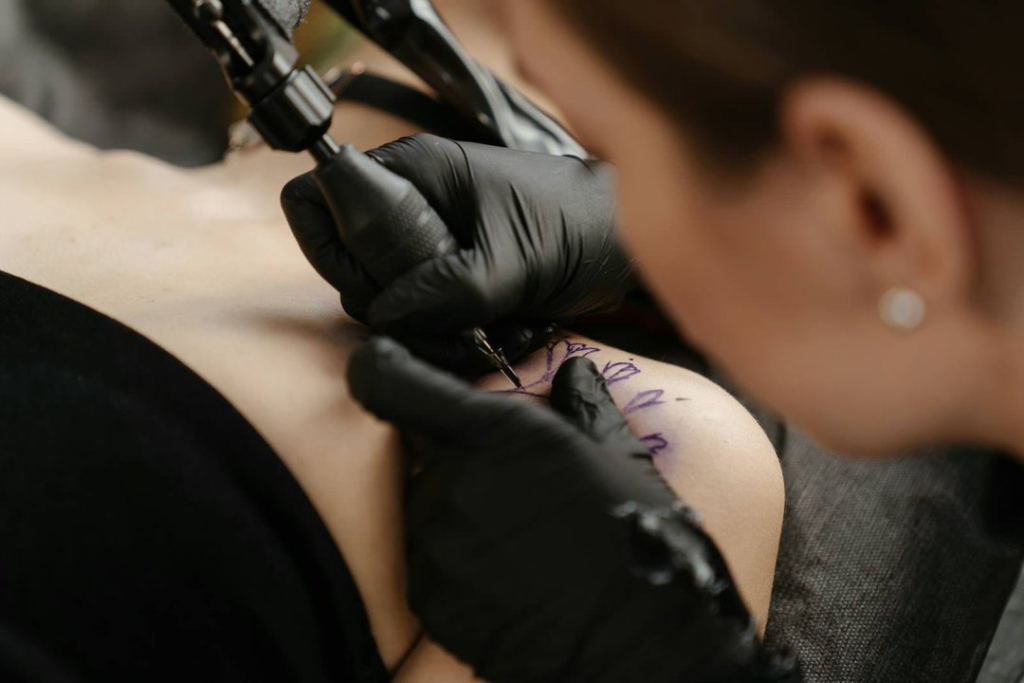
Every stroke of a permanent makeup artist’s hand deposits ink beneath a client’s skin—a decision that lives on their face for years. This reality makes ink selection one of the highest-stakes choices in the industry, yet it’s precisely where many new artists cut corners. Beginners eager to start their practice often grab whatever ink is affordable or available, not realizing they’re gambling with client safety, their professional reputation, and potential legal liability. The difference between the best PMU ink and ordinary tattoo inks isn’t merely cosmetic; it’s a matter of biocompatibility, color stability, and long-term health outcomes.
This article breaks down the critical comparison between specialized PMU inks and generic alternatives, examining what happens at the chemical level and how those differences manifest on real skin over time. Beyond ink alone, we’ll explore how your entire equipment setup—from machine batteries to needles—determines the quality of your work. Whether you’re assembling your first professional kit or reconsidering your current supplies, this guide empowers you with the knowledge to make informed, career-defining choices.
The Critical Role of Ink in Permanent Makeup Artistry
Permanent makeup—the implantation of pigment into the dermal layer for cosmetic enhancement of eyebrows, lips, and eyeliner—operates under fundamentally different constraints than traditional body art. The facial skin is thinner, more vascular, and far less forgiving of error. Unlike a body tattoo that can be concealed under clothing, PMU work sits in plain sight every single day, making precision and material quality non-negotiable.
Ink serves as the literal foundation of every PMU procedure. It determines whether a client’s healed brows look natural or garish, whether their lip blush ages gracefully or turns an unnatural hue, and most critically, whether the procedure remains safe. Substandard inks containing unregulated heavy metals or unstable pigment compounds can trigger allergic reactions ranging from mild irritation to severe granulomas. Poorly formulated inks also invite bacterial contamination, creating infection risks that can scar tissue permanently. From a purely aesthetic standpoint, cheap inks fade unpredictably—sometimes within weeks—leaving clients with patchy, discolored results that demand costly correction work.
For new artists, every client interaction builds or erodes their reputation. A single adverse reaction traced back to inferior ink can generate negative reviews, refund demands, and even legal action. Choosing the best PMU ink isn’t an upgrade; it’s a baseline requirement for anyone serious about building client trust and sustaining a viable career in this field.
Best PMU Ink vs. Ordinary Inks: A Detailed Comparison
When placed side by side, the gap between professional PMU inks and ordinary tattoo inks becomes strikingly clear. High-quality PMU inks are engineered specifically for facial application—formulated with smaller, more uniform pigment particles suspended in carriers designed for the delicate dermal layers of brows, lips, and eyelids. Ordinary tattoo inks, by contrast, are built for deeper implantation into thicker body skin, using larger pigment particles and carrier solutions that behave unpredictably in facial tissue. The intended use shapes everything from viscosity to particle size to sterility protocols during manufacturing. PMU inks undergo rigorous batch testing and comply with cosmetic-grade regulatory frameworks, while many generic inks operate in a regulatory gray area with inconsistent quality control. Understanding these distinctions at a granular level reveals why substituting one for the other creates real problems for both artist and client.
Chemical Composition and Safety Standards
The best PMU inks use purified organic and inorganic pigments—iron oxides, carbon black, and titanium dioxide processed to eliminate heavy metal contamination. Their carrier solutions typically consist of pharmaceutical-grade glycerin, purified water, and medical-grade stabilizers that maintain sterility throughout the product’s shelf life. Every batch is tested for microbial contamination and heavy metal content before reaching the market. In contrast, ordinary tattoo inks may contain unrefined pigments with traces of nickel, cobalt, or chromium—known allergens that trigger contact dermatitis or granulomatous reactions when implanted in sensitive facial skin. Some generic inks use industrial-grade carriers like isopropyl alcohol or witch hazel at concentrations that irritate delicate tissue. Regarding oversight, the FDA classifies tattoo pigments as cosmetics but does not pre-approve them, placing the burden on manufacturers to ensure safety. Reputable PMU ink brands voluntarily comply with EU REACH regulations and carry certifications like CTL or SGS testing reports, providing documented proof of composition. Artists should demand these certificates from suppliers rather than trusting label claims alone.
Performance and Longevity in the Skin
Beyond safety, the performance gap is dramatic. Professional PMU inks retain true color during healing because their pigment particles are calibrated to remain stable within the dermis without migrating or breaking down unpredictably. A well-formulated brow ink heals to a soft, natural tone that fades gradually and evenly over 12 to 36 months. Ordinary inks frequently shift color as the body metabolizes unstable compounds—warm brown eyebrows turning ashy gray or orange, lip pigments fading to an unnatural purple. This happens because generic inks weren’t designed to interact with the specific pH levels and immune responses of facial skin. Blurring presents another concern: larger pigment particles in ordinary inks spread laterally through tissue over time, turning crisp hairstrokes into muddy smudges. Healing outcomes also differ significantly. Clients treated with quality PMU inks experience less inflammation, faster recovery, and more predictable retention, which means fewer touch-ups and higher satisfaction. For artists building a portfolio, consistent healed results from reliable inks create the kind of before-and-after photos that attract new clients organically.
Beyond Ink: Essential Tattoo Equipment for Quality Results
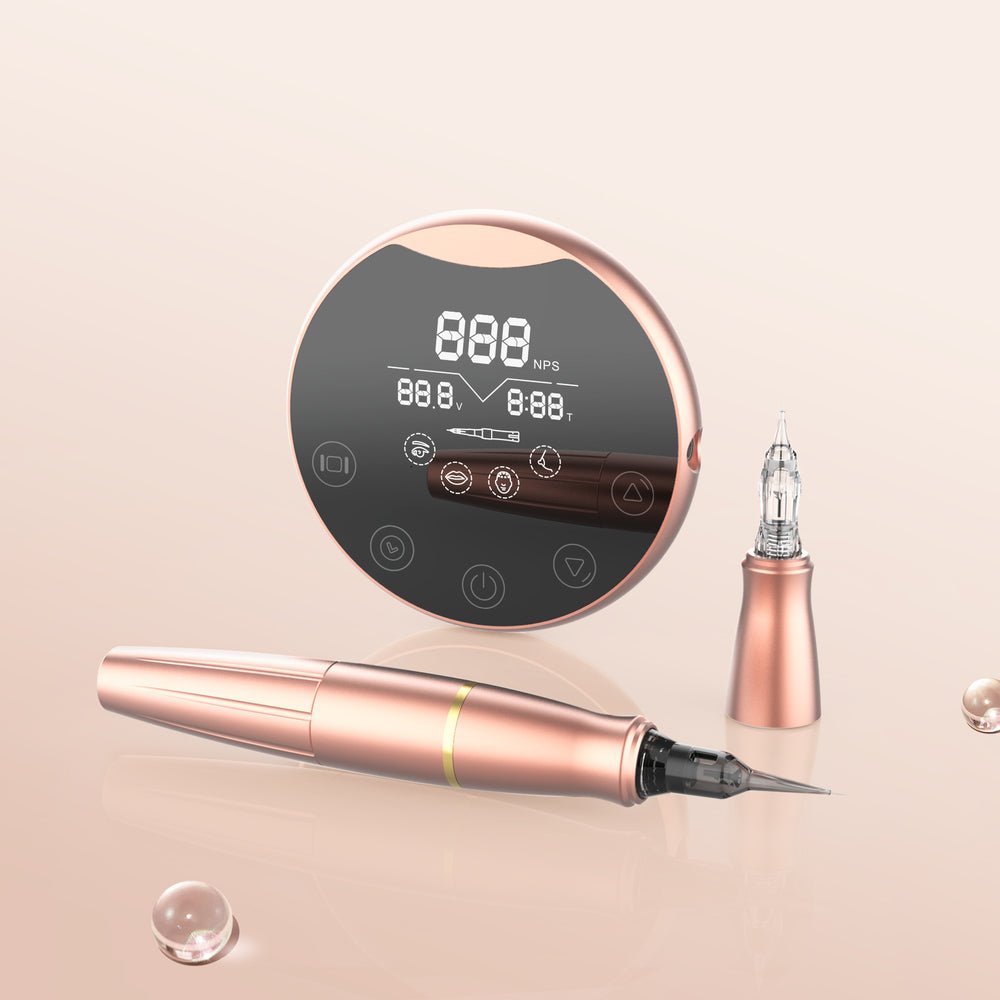
Even the best PMU ink cannot compensate for unreliable equipment. The ink is only as good as the system delivering it into the skin—your machine’s power consistency, your needle’s precision, and your workspace’s sterility all converge to determine the final result. New artists often fixate on ink selection while neglecting the supporting toolkit, only to discover that voltage drops mid-stroke cause uneven saturation, or that cheap needles create unnecessary trauma that pushes pigment too deep. Building a professional practice means treating your entire equipment chain as an integrated system where each component either elevates or undermines the others.
Choosing the Right Tattoo Machine Battery
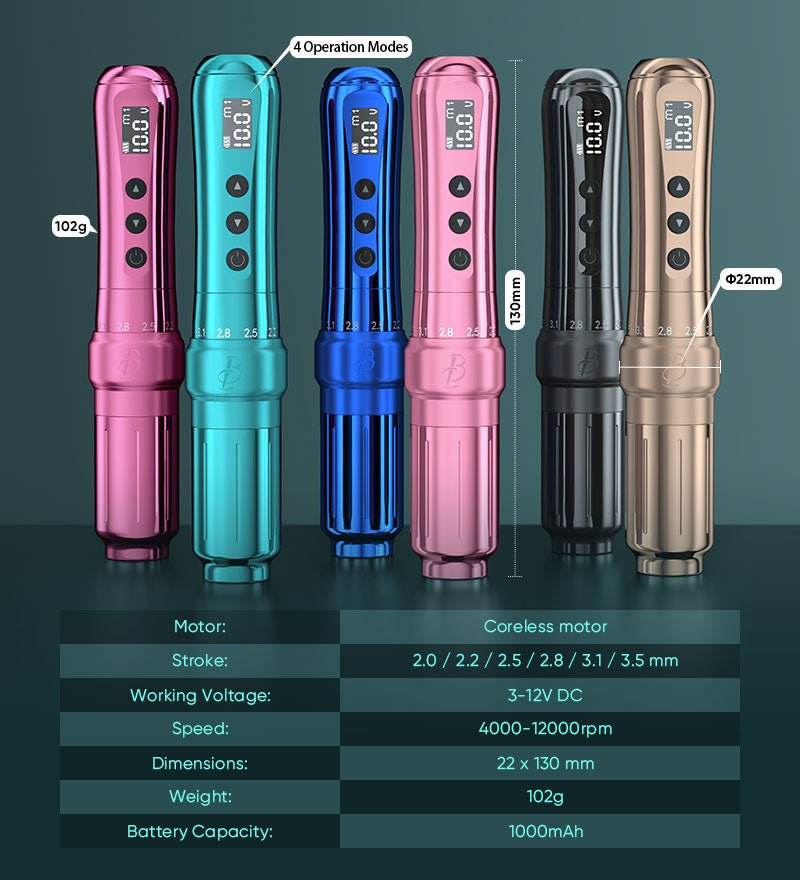
A tattoo machine battery is the heartbeat of your device, and inconsistent power delivery directly compromises your work. When voltage fluctuates during a procedure, needle speed becomes unpredictable—resulting in uneven pigment implantation, excessive skin trauma in some areas, and insufficient deposit in others. For PMU work, where strokes must be feather-light and precisely controlled, stable voltage output is essential. Lithium-ion batteries dominate the professional market due to their consistent discharge curves, meaning they maintain steady voltage until nearly depleted rather than gradually weakening. Look for batteries offering at least 6 to 8 hours of continuous runtime to avoid mid-session interruptions. Beginners should monitor their battery’s charge cycles and replace units that no longer hold full capacity, as degraded batteries introduce the exact inconsistencies that ruin fine detail work. Keeping a fully charged backup battery in your kit eliminates the risk of power failure during a procedure.
The Importance of Precision Needles
Needle quality determines how cleanly pigment enters the skin and how much unnecessary damage occurs during the process. High-quality PMU needles feature polished, consistent taper points that penetrate smoothly, creating minimal trauma and allowing pigment to settle evenly in the target dermal layer. Inferior needles with rough edges or inconsistent groupings tear tissue rather than puncturing it cleanly, leading to excessive bleeding, poor pigment retention, and prolonged healing. Needle configuration matters enormously for different techniques—single needles and tight liner groupings suit hairstrokes, while shader configurations work for powder brows and lip blush. Every needle must be pre-sterilized, single-use, and individually packaged. Compatibility with your specific machine and cartridge system is non-negotiable; mismatched needles create wobble that destroys precision. Always purchase from manufacturers who provide lot-traceable sterilization certificates.
Comprehensive Tattoo Equipment Checklist
Beyond your machine, battery, and needles, a complete professional setup includes ergonomic grips that reduce hand fatigue during lengthy sessions, disposable cartridge systems for quick configuration changes, and barrier films to maintain a sterile field across all surfaces. Clip cord covers, machine bags, and disposable rinse cups prevent cross-contamination between clients. Skin markers for mapping and pre-draw tools ensure symmetry before any pigment touches skin. Aftercare products—gentle, fragrance-free healing balms—should be professional-grade and provided to every client with clear instructions. Sharps containers, medical-grade surface disinfectants, and single-use gloves round out the hygiene essentials. Each piece of equipment in your kit either reinforces your professionalism or introduces risk. Investing in reliable, purpose-built supplies from the start prevents the hidden costs of rework, client complaints, and health code violations that plague artists who assemble their kits from the cheapest available sources.
How to Choose Artist-Vetted Supplies: A Practical Guide
Navigating the overwhelming marketplace of PMU inks and tattoo supplies demands a systematic approach, especially when you’re new and lack the trial-and-error experience of veteran artists. The most reliable path to quality products runs through the professionals who’ve already tested them on real clients over hundreds of procedures. Start by identifying brands that established artists consistently recommend—not through sponsored posts, but through genuine usage visible in their work documentation and healing results they share publicly.
Research begins with manufacturer transparency. Any ink brand worth considering publishes complete ingredient lists, batch testing results, and regulatory compliance documentation on their website. If a company cannot produce CTL certificates, SGS reports, or equivalent third-party safety testing when asked, move on immediately. Cross-reference brands against professional forums and training communities where working artists discuss real-world performance—color retention after healing, consistency between batches, and how inks behave across different skin types and tones. Brands like Biomaser, which provide comprehensive documentation and have built a following among working PMU professionals, exemplify the level of transparency artists should expect from their suppliers.
Reading reviews requires discernment. Prioritize feedback from artists who document healed results at 4, 8, and 12-week intervals rather than fresh-application photos that reveal nothing about longevity. When possible, order sample sizes before committing to full inventory purchases. Test inks on latex practice skins to evaluate flow, viscosity, and how they interact with your specific machine and needle setup. Apply this same scrutiny to every piece of equipment—batteries, needles, cartridge systems—by confirming compatibility with your workflow before purchasing in bulk. The small upfront investment in research and sampling prevents the far greater cost of replacing inferior products, losing clients to poor results, and rebuilding a damaged reputation.
Implementing Your Choices: Steps for New Tattoo Artists
Knowing the differences between quality and inferior supplies means nothing without a clear plan to act on that knowledge. The transition from research to practice requires deliberate, sequential steps that protect both your investment and your future clients.
Step 1: Research and Education
Dedicate time to studying ink formulations, machine specifications, and needle configurations before spending a dollar. Attend hands-on workshops led by working PMU artists who demonstrate their actual supply choices during live procedures. Follow established professionals on platforms where they share unfiltered equipment reviews and healed results—not just polished marketing content. Subscribe to industry publications that cover regulatory updates, particularly changes to EU REACH compliance and FDA guidance on pigment safety. Build a knowledge foundation that lets you evaluate products critically rather than relying on brand marketing alone.
Step 2: Sourcing and Purchasing
Purchase your best PMU ink and tattoo equipment from authorized distributors who provide batch documentation, return policies, and responsive customer support. Avoid third-party marketplace sellers offering suspiciously discounted professional supplies, as counterfeit and expired products circulate widely through these channels. Prioritize suppliers who stock complete systems—machines, compatible batteries, matched cartridge needles—so you avoid the frustration of incompatible components. Start with a focused core kit rather than buying everything at once, allowing you to invest more per item in quality rather than spreading your budget thin across unnecessary accessories.
Step 3: Practice and Adaptation
Test every new ink and needle configuration extensively on synthetic practice skins before working on live clients. Document how each ink flows at different machine speeds and voltage settings, noting which combinations produce the smoothest saturation. Seek feedback from mentors or peers who can evaluate your practice results objectively. Adjust your technique and equipment settings based on these sessions, recognizing that the interaction between your hand pressure, machine power, needle depth, and ink viscosity creates outcomes no product review can predict for your specific workflow. This iterative process transforms purchased supplies into mastered tools.
Building a PMU Career on Quality Ink and Equipment Choices
The distinction between the best PMU ink and ordinary inks extends far beyond branding or price—it encompasses chemical safety, color stability, healing predictability, and ultimately, your clients’ trust in your hands. Specialized PMU inks deliver purified, regulated formulations that interact safely with delicate facial tissue, while generic alternatives introduce unpredictable color shifts, allergic risks, and inconsistent retention that no technique can overcome. Yet ink alone doesn’t define your results. Reliable tattoo machine batteries ensure the steady power delivery that precision demands, and quality needles minimize tissue trauma while maximizing pigment placement accuracy. Together, these components form an integrated system that either supports excellence or undermines it at every level.
For new tattoo artists entering this field, the message is straightforward: prioritize artist-vetted supplies from the outset, demand transparency from manufacturers, and treat every equipment decision as an investment in your professional longevity. The artists who thrive long-term are those who never stop learning—staying current with regulatory changes, testing new products methodically, and refining their toolkit based on documented healed results rather than marketing promises. Your career begins with the choices you make before the first needle touches skin.

Alexia is the author at Research Snipers covering all technology news including Google, Apple, Android, Xiaomi, Huawei, Samsung News, and More.