Emergency Alert: Robotaxis are helpless if passengers fall asleep
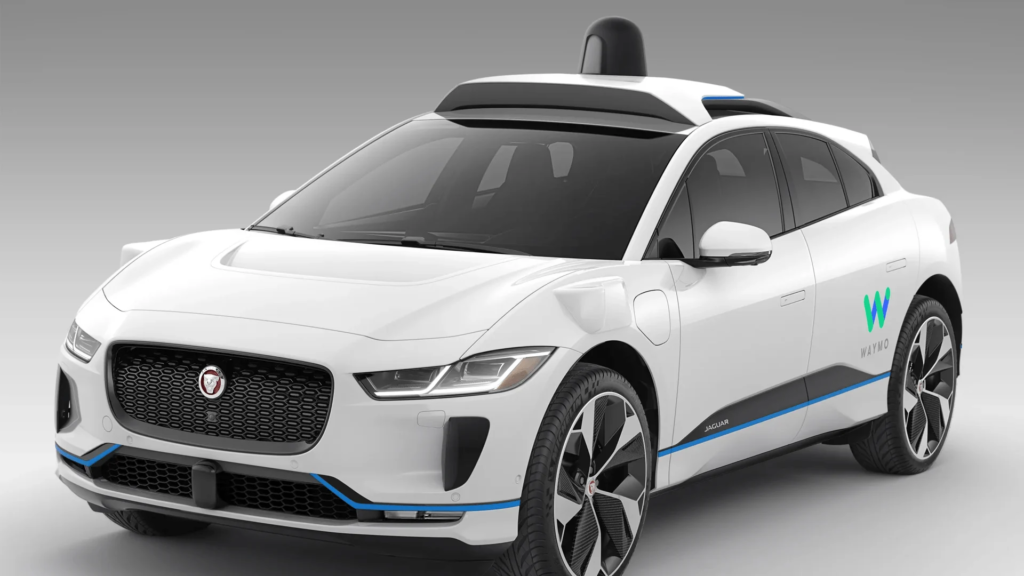
With the increasing spread of autonomous robotaxis, not only the technical capabilities of the vehicles are coming into focus, but also unexpected challenges in dealing with sleeping passengers, which lead to emergency services being alerted.
No driver can wake you up
An example is the case of 30-year-old interior designer Ditto Kasendar from Los Angeles. After a birthday party, he fell asleep during a short ride in a Waymo robotaxi. When he did not respond to an employee who was connected via loudspeaker, the company called the emergency number, the night news agency reported Bloomberg.
Firefighters only woke him up after the vehicle had been at its destination for almost an hour. Such incidents, in which the taxi driver was previously able to take care of everything, are apparently not uncommon. In Austin, Texas, rescue workers are now talking about so-called “sleepers.” According to the local emergency service, 99 such operations were registered in the first nine months after the Waymo service was launched.
Since the employees in the control center cannot determine with certainty whether a passenger is simply sleeping or is in a life-threatening situation, the cases are initially treated as possible medical emergencies. In fact, only around three percent of those affected had to be taken to hospital. Nevertheless, the operations tie up personnel and resources that are missing elsewhere. Everyday life in driverless vehicles also presents challenges for operators. Passengers leave trash, spill drinks or vomit in the car. Waymo and other providers therefore charge cleaning fees and rely on cameras inside the vehicle and remote carers who can detect unusual activity. According to the company, specially trained employees are also available to work with rescue workers in medical emergencies.
Costs for the municipalities
In addition to medical incidents, robotaxis are causing other problems for cities. After a widespread power outage in San Francisco in December 2025, more than 60 Waymo vehicles remained immobile on streets, sometimes hindering rescue operations. The US traffic safety authority also recently warned that autonomous vehicles were occasionally ignoring barriers at accident scenes or hindering emergency vehicles.
The authority is therefore calling for technical improvements and closer communication with manufacturers. Experts also criticize that municipalities and emergency services have to bear some of the consequences of robotaxi operations. Fire department representatives are calling for uniform standards so that emergency services, regardless of manufacturer, can quickly identify how to secure vehicles, open them or contact remote caregivers.