UK to introduce mileage tax for electric cars in 2028
From 2028, electric car drivers in the UK will have to pay a distance-based levy. With the new tax per mile driven, the state wants to compensate for falling fuel tax revenues.
Route-based tax from 2028
Anyone driving an electric car in the UK will face additional costs from April 2028. The state is introducing a distance-based tax that is calculated per kilometer driven. Battery electric vehicles will be charged three pence per mile. Plug-in hybrids pay half. Electric vans and buses are excluded for the time being. The reason for the new tax model is purely fiscal.
With the increasing switch to electromobility, the state is losing revenue from the classic fuel tax. Projections suggest that gasoline tax revenue will halve by the 2030s. The new levy is intended to plug the resulting budget gap and finance the infrastructure.
Self-disclosure and control
As the British government confirmed, the system is called Electric Vehicle Excise Duty, or eVED for short. The concept focuses on privacy and does not use GPS tracking. Vehicle owners declare their mileage themselves when renewing their vehicle tax annually. An inspection will take place later as part of the main inspection. Historically, drivers finance road construction through various taxes. In the United Kingdom, motor vehicle tax has existed in its current form since 1920. The introduction of a usage-based toll for private cars now represents a paradigm shift. Other European countries are closely monitoring the British plan.
Criticism and perspective for Germany
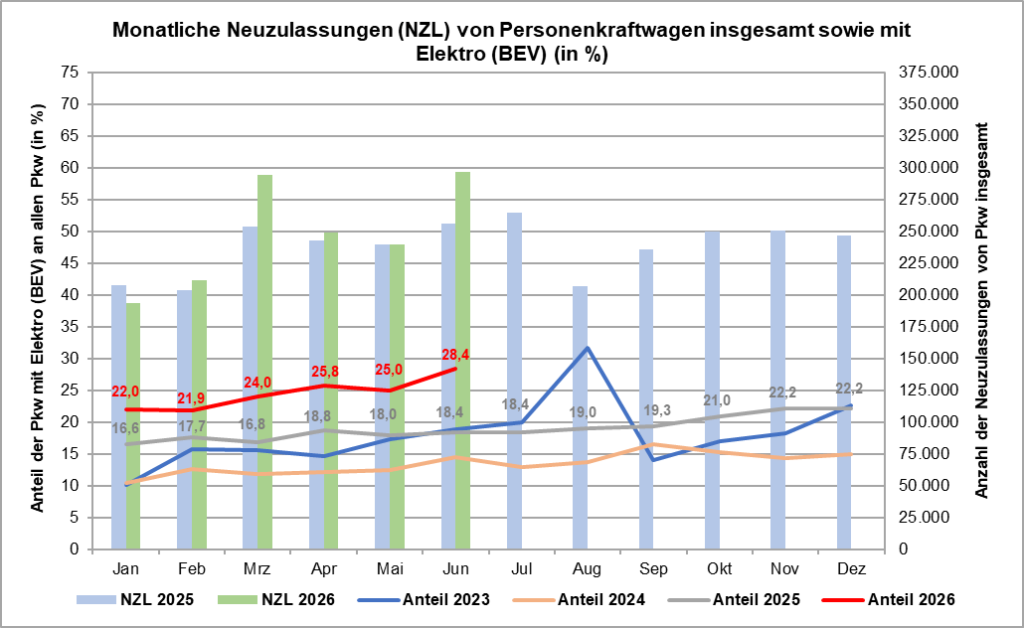
Although electric cars remain cheaper to maintain than combustion engines due to the new regulation, there are headwinds. Industry groups warn that additional costs could deter potential buyers. There are fears that the growth in registration numbers will be slowed down. Transferring the British model to Germany is being actively discussed among transport experts. In this country, purely electric cars are exempt from vehicle tax until the end of 2030. After that, weight-based taxation takes effect. Since the German state is also missing out on billions from the energy tax on fuels in the long term, a kilometer-based levy would be a logical consequence.
With an average mileage of 12,300 kilometers per year, an identical tax would cost electric car drivers in this country around 270 euros per year. However, high bureaucratic hurdles and strict data protection regulations stand in the way of such an implementation in Germany. The comprehensive collection of driving data is politically highly controversial. However, the British model of self-disclosure in combination with the comparison by the TÜV could serve as a template to solve the problem without permanent monitoring. The financing of road infrastructure is probably facing a change.