From Sensors to Sewer Cameras: How Plumbing Technology Detects Problems Before They Become Disasters
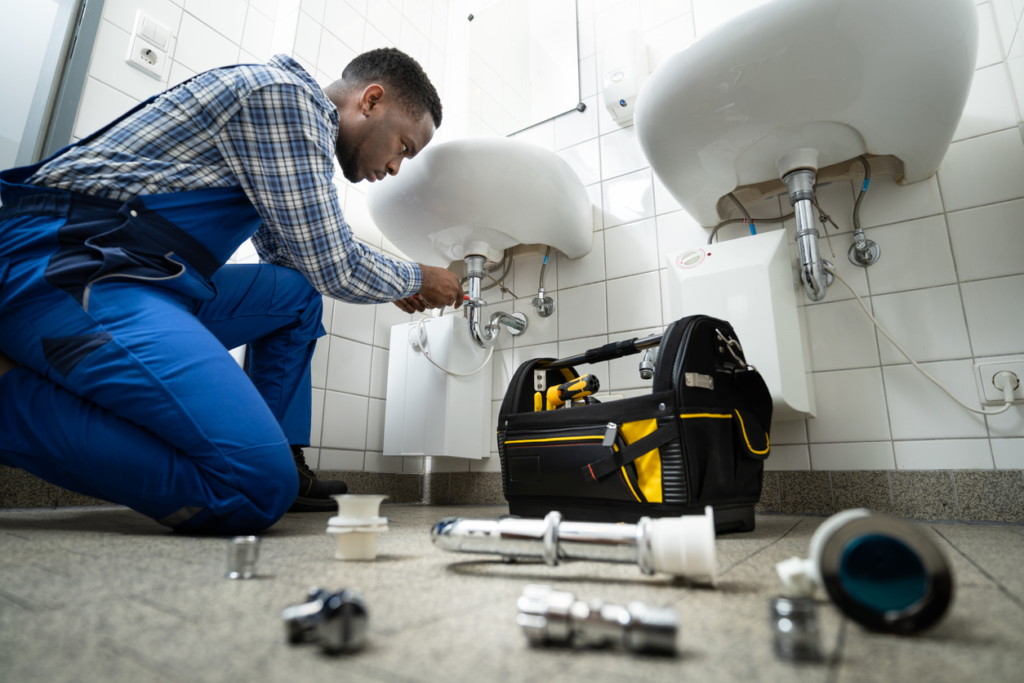
Plumbing problems often attract attention only after a drain stops working, a pipe bursts, or water appears where it does not belong. New monitoring and diagnostic tools may provide earlier warning by detecting moisture or unusual flow, closing a compatible shutoff valve, or helping a plumber locate damage. They can reduce delay, but they cannot guarantee that every problem will be found.
Plumbing is Becoming Part of the Connected Home
Smart plumbing devices connect water systems to sensors, apps, or automated controls. Some monitor one location; others measure flow through a main line. Alerts may depend on batteries, power, Wi-Fi, a hub, or a cloud service. Homeowners should understand what a device monitors, how it communicates, and what happens after an alert.
Smart Leak Sensors: The First Line of Defense
Point-of-use leak sensors are commonly placed under sinks, near water heaters, beside washing machines, in basements, or behind toilets. They are usually designed to detect water only where the sensing surface is located, so placement matters. A sensor under one fixture will not necessarily detect a leak inside a distant wall or beneath another appliance.
How They Work
Most point sensors react when water reaches a sensing surface. They may sound an alarm, send a phone notification, or communicate with another home-control system. The U.S. Environmental Protection Agency’s WaterSense program distinguishes moisture-sensing devices from systems that monitor flow through a pipe. Coverage and alert methods should be checked before installation.
The Benefit of Early Detection
Early notice can limit the time water reaches cabinets, flooring, drywall, or stored belongings. The alert does not identify the cause, so the homeowner must inspect the area, stop the water when appropriate, and arrange a repair if the source is not safely accessible.
Flow Monitoring and the Value of Water-Use Data
Flow monitors take a broader approach by measuring water moving through a pipe. A whole-home device may observe most indoor water use, while a branch-level device covers only part of the system. These monitors can identify patterns that deserve attention, but they may not locate the exact fixture or pipe responsible.
Understanding Your Water Footprint
Water-use data can show when demand rises, how long flow continues, and whether usage changes over time. The EPA advises using meter and monitoring information to look for irregular use and possible leaks. An unusual reading is a clue rather than a diagnosis.
Identifying Anomalies in Usage
A sudden bill increase or continuous flow when no one should be using water warrants investigation. Possible causes include a running toilet, irrigation problem, appliance, dripping fixture, or concealed leak. Comparing the alert with the meter and recent household activity can narrow the possibilities.
Mobile Alerts and Automatic Water Shutoff Systems
Monitoring is most useful when an alert reaches someone who can act. Depending on the product, notifications may be delivered through an app, text message, audible alarm, or connected-home platform. Owners should test alerts periodically and understand how the system behaves during a dead battery, power failure, internet outage, or service interruption.
Getting the Word Out Quickly
A remote alert can notify a homeowner who is away, reducing delay without confirming the source or seriousness. Review the device data, inspect safely when possible, and act immediately if active water release is visible or likely.
The Power of Automatic Shutoff
Some compatible systems can close a motorized valve on the main water line when their settings indicate a significant leak. This function depends on correct installation, valve compatibility, power, connectivity, and configured thresholds. Other devices provide alerts only.
Automatic shutoff may reduce continuing water release, but homeowners should not assume that it will detect every event or automatically change their insurance coverage. The New York Department of Financial Services advises consumers to ask their insurer about any available discount for water monitors, shutoff devices, or leak detectors.
How Artificial Intelligence Learns Normal Water Usage
Some systems use algorithms to compare current flow with past household patterns. Manufacturers may call this artificial intelligence or machine learning. What matters is whether the system can establish a useful baseline and flag abnormal flow.
Building a Baseline of Normal
A system may observe the timing, duration, and rate of water use over days or weeks. This can create a household-specific baseline that reflects recurring activities such as showers, dishwashing, laundry, or irrigation. Changes in occupancy, travel, guests, or seasonal use can affect that baseline and may require the system to adapt.
Detecting Subtle Deviations
A monitor may flag continuous overnight flow, unusually long use, or a pattern that differs from prior activity. Its ability to identify a fixture varies by product and plumbing configuration. Treat an anomaly as a reason to investigate, not proof that a component failed.
Predictive Maintenance Capabilities
Current systems are generally strongest at detecting unusual use and sending alerts. Check claims about predicting wear in a specific valve, pipe, or appliance against manufacturer documentation and independent performance information. Predictive features should not replace inspection when symptoms or prior damage indicate a problem.
Sewer Cameras Reveal Problems Hidden Underground
Some of the most disruptive plumbing problems occur in building sewers or private laterals. A sewer camera gives a plumber a direct view inside accessible portions of the line and can reduce guesswork before repair or excavation.
A Clear View of the Unknown
A typical inspection uses a waterproof closed-circuit television camera attached to a flexible cable or rod. The camera sends a live image to a monitor and may record the inspection. EPA sewer guidance describes television inspection as a way to view and document pipe conditions from inside the line.
Identifying Blockages and Damage
A camera may reveal roots, grease or debris, displaced joints, cracks, broken sections, standing water, or foreign objects. Its view can be limited by heavy blockage, dirty water, poor access, sharp bends, or a section the camera cannot pass. Cleaning or another test may be needed before the full condition of the line can be assessed.
Assessing the Condition of Older Pipes
Older clay and cast-iron sewer lines deserve attention when a home has recurring backups, slow drainage, settlement, or known deterioration. Depending on the material and condition, an inspection may show cracks, separated joints, corrosion, deposits, or loss of wall thickness. Age alone does not prove failure; visible findings should guide repair decisions.
Acoustic, Pressure, and Thermal Leak Detection
Plumbers also use tools that detect sound, pressure change, or temperature patterns. Each method answers a different question, and plumbing services may combine these tools with system knowledge and physical inspection.
Acoustic Leak Detection: Listening for Trouble
Acoustic equipment uses sensitive microphones, sensors, or correlators to identify sound and vibration associated with escaping pressurized water.
How It Works
Water escaping under pressure can create noise that travels through the pipe and surrounding material. The U.S. Department of Energy notes that equipment without correlation functions generally requires more interpretation and further pinpointing. Accuracy depends on pipe material, pressure, depth, soil, background noise, access points, and the size of the leak.
The Advantage in Buried Pipes
Acoustic testing is useful where the pipe cannot be seen directly. A technician compares signals at several locations and may use a correlator to estimate the source. The result narrows the search area, but excavation or another diagnostic method may still be needed to confirm the exact location.
Pressure Testing: Measuring the Drop
Pressure testing isolates a water-supply section and measures whether it holds pressure. EPA’s WaterSense technical manual describes a pressure-loss test in which the water supply is shut off and the pressure is observed for five to ten minutes.
Detecting Downward Trends
If the pressure drops during the test, EPA treats that result as evidence of a leak in the tested supply. The test confirms pressure loss but may not identify the precise location, so a plumber may combine it with visual inspection or another locating method.
Thermal Imaging: Seeing the Heat (or Lack Thereof)
Thermal cameras display surface-temperature differences. They do not see through walls or directly identify water.
Identifying Wet Areas
Moisture can produce a temperature pattern that differs from nearby dry material, so thermal imaging can guide further inspection. The Department of Energy describes handheld thermal imaging as a tool for locating possible leaks in or around walls and structures. Because airflow, insulation, sunlight, heating systems, and other conditions can create similar patterns, suspected moisture should be confirmed with a moisture meter, inspection, or another test.
Smart Sump Pumps and Basement Flood Protection
Sump pumps remove water that reaches a sump basin. Smart controls can improve monitoring, but the pump’s capacity, discharge route, power supply, check valve, and maintenance remain central to reliable operation.
Enhanced Monitoring and Alerts
Traditional sump pumps normally start when a float or level control rises. Smart versions may add high-water alarms, cycle tracking, battery-status notices, power-failure alerts, or app notifications. Capabilities differ, so homeowners should verify exactly which conditions the device monitors.
Keeping Track of Performance
A monitoring system may warn that the pump is running frequently, has lost power, or has not responded as expected. These alerts can support maintenance, but they do not prove that the pump can handle the next storm or groundwater event. Battery backup, if provided, also requires testing and replacement according to the manufacturer’s instructions.
Smart Solutions for Flood Prevention
A water alarm can provide a separate warning while the sump pump operates according to its own controls. The National Flood Insurance Program recommends maintaining a working sump pump, installing a water alarm, and considering a battery-operated backup pump in case the power fails. These measures can limit basement damage but do not eliminate flood risk.
Where Smart Gadgets End and Professional Diagnosis Begins
Smart devices are useful warning and information tools, but they do not replace professional judgment. A device can show moisture, unusual flow, a temperature pattern, or a pressure change without establishing the underlying cause.
The Role of Sensors and Data
Sensor records can help identify when a condition began, how long it continued, and whether it is recurring. Saving screenshots, alert times, meter readings, and photographs can give a plumber useful starting information. The data should be treated as evidence to investigate rather than a final diagnosis.
When to Call in the Experts
A recurring alert, unexplained water use, active leak, sewer backup, pressure problem, or inaccessible moisture source calls for professional assessment. The cause may be a worn seal, loose fitting, failed appliance connection, damaged pipe, drain obstruction, or another condition that a consumer device cannot distinguish. Use a plumber with the training and equipment appropriate for the work.
Complex Issues Require Human Intervention
Collapsed or offset sewer lines, difficult blockages, concealed leaks, and repeated sump-pump failures often require specialised equipment and hands-on testing. A plumber can compare device data with camera inspection, acoustic testing, pressure testing, moisture measurements, or selective access to determine an appropriate repair.
Creating a Technology-Supported Plumbing Maintenance Plan
A useful maintenance plan combines monitoring with routine observation and timely repair. Technology can identify changes, but homeowners still need to inspect exposed plumbing, respond to alerts, maintain batteries and valves, and keep access points usable.
Regular Checks and Data Review
Review alerts and water-use data periodically rather than waiting for an emergency. Test sensors, update contact information, replace batteries when needed, and investigate repeated or unexplained notifications. A device that is offline, poorly placed, or no longer sending alerts cannot provide dependable early warning.
Scheduling Preventative Inspections
There is no single inspection interval that fits every home. Inspection frequency should reflect the property’s age, pipe materials, prior leaks or backups, water conditions, occupancy, and manufacturer guidance. A plumber can recommend an appropriate schedule after evaluating the system and any recurring warning signs.
Building a Relationship with Your Plumber
A plumber who is familiar with the home’s layout, pipe materials, shutoff locations, and monitoring equipment can interpret alerts more efficiently. Share relevant device records and explain any recent changes in water use. Combining reliable monitoring with qualified diagnosis and prompt repair can reduce the chance that a small, detectable problem develops into extensive damage.
Frequently Asked Questions
How do smart leak sensors detect plumbing problems?
Smart leak sensors detect water when moisture reaches their sensing surface. Depending on the device, they may sound an alarm, send a phone notification, or communicate with a connected-home system. Because they monitor only the area where they are placed, proper positioning is important.
What is the difference between a leak sensor and a flow monitor?
A leak sensor detects moisture at a specific location, such as beneath a sink or near a water heater. A flow monitor measures water moving through a pipe and may identify unusual or continuous usage. A flow monitor can signal a possible problem without locating the exact source.
Can a smart plumbing system automatically shut off the water?
Some compatible systems can close a motorized valve on the main water line when they detect conditions that meet their configured leak thresholds. Automatic shutoff depends on proper installation, valve compatibility, power, connectivity, and system settings. Other devices provide alerts but cannot shut off the water.
What can a sewer camera inspection reveal?
A sewer camera may reveal roots, grease, debris, displaced joints, cracks, broken pipe sections, standing water, or foreign objects. Its view may be limited by blockages, dirty water, poor access, sharp bends, or damaged sections the camera cannot pass.
Do smart plumbing devices replace professional inspections?
No. Smart devices can identify moisture, unusual flow, pressure changes, or other warning signs, but they may not determine the underlying cause. Recurring alerts, active leaks, sewer backups, concealed moisture, and other complex problems generally require professional diagnosis.

Alexia is the author at Research Snipers covering all technology news including Google, Apple, Android, Xiaomi, Huawei, Samsung News, and More.