How San Francisco Streets Are Shaping Everyday Autonomous Travel

Key Takeaways
- Autonomous travel is becoming one option within a much larger urban transportation system.
- San Francisco’s hills, narrow streets, transit activity, and crowded crossings make it a demanding place to operate.
- Driver-assistance features are not the same as vehicles designed to drive without a person behind the wheel.
- Safety, access, traffic flow, and public trust matter as much as technical capability.
- Residents, public agencies, and transportation providers all influence how these services develop.
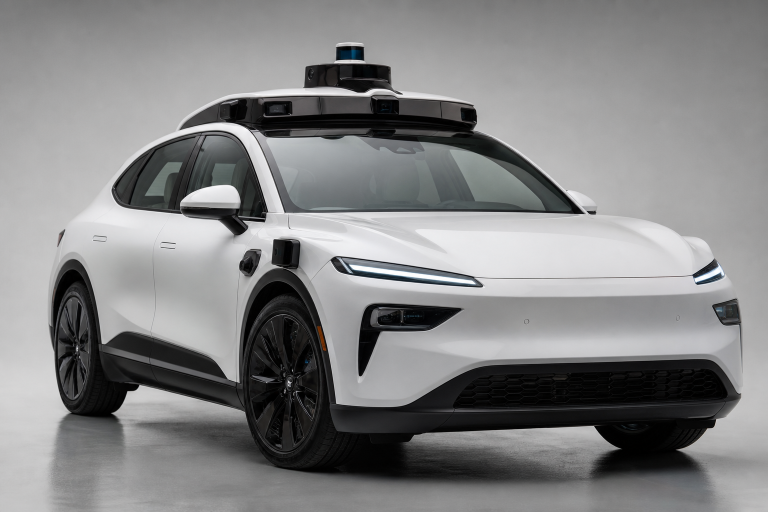
San Francisco has always required people to think creatively about getting around. Steep grades, compact blocks, cable cars, buses, cyclists, delivery vehicles, and visitors all compete for limited street space. That complexity makes the city an important place to observe how autonomous vehicles may fit into ordinary trips, rather than in controlled demonstrations. For people curious about the rider experience, services now make it possible to Ride a self-driving taxi in San Francisco through an app-based trip. The experience may seem straightforward from the passenger seat, but every pickup, stop, and route involves decisions shaped by the city’s unusually busy streets.
Why San Francisco Is A Useful Test For New Travel Options
Dense cities need reliable ways to move people without worsening congestion, pollution, or curb conflicts. San Francisco is a revealing test because automated vehicles must navigate sharp turns, changing elevations, painted transit lanes, unpredictable pedestrians, and frequent street activity. A vehicle that works well only under ideal conditions offers limited value in a real city. The city also has years of experience watching automated vehicle operations. The SFMTA’s work on autonomous vehicles in San Francisco reflects a broader concern: whether new mobility tools can support safety, transit, and efficient use of public streets.
What “Autonomous” Really Means
An autonomous vehicle uses sensors, software, and onboard hardware to perform driving tasks that a human driver would normally handle. That does not mean every vehicle with automated features is autonomous.
Lane-departure alerts, adaptive cruise control, and automatic emergency braking are driver-assistance features. They can help, but a licensed human remains responsible for watching the road and controlling the vehicle. Clear language matters because riders and drivers need realistic expectations about who, or what, is responsible during a trip.
How A Typical Autonomous Ride May Work
- A rider requests a trip through a digital service.
- The system evaluates the pickup point, destination, route, and street conditions.
- The vehicle arrives, and the rider confirms it is the correct car.
- The rider checks the destination, buckles up, and begins the trip.
- The vehicle operates within its approved service area while responding to traffic conditions.
- The rider exits after the vehicle reaches a safe stopping location.
Imagine a visitor traveling from a hotel to a museum on a busy afternoon. The rider may see only a clean vehicle and a simple route display. At the same time, the service considers traffic, curb availability, pedestrians, construction, and the safety of the selected drop-off point.
The Street Features That Challenge Automated Driving
San Francisco’s hills affect visibility, braking, speed control, and stopping distance. A parked delivery truck can turn a normal lane into a temporary obstacle course. Construction workers, detours, double-parked cars, temporary signs, and road closures can create conditions that may not align with the usual street map. Cable car tracks, bike lanes, bus stops, and crowded sidewalks add more variables. The hardest moments are often not routine traffic signals. They are the unusual situations, such as a cyclist avoiding an open car door or an emergency vehicle approaching through a narrow block.
Safety Requires More Than Sensors
Safe operation depends on more than cameras or sensors. It requires careful software design, vehicle maintenance, testing, remote support where appropriate, emergency procedures, and enforceable rules. Vehicles must respond predictably around people walking, cycling, riding transit, and working on the street. Public reporting and independent review are equally important. When a vehicle blocks traffic, stops unexpectedly, or is involved in a collision, residents and agencies need a clear process for documenting what happened and evaluating whether changes are needed.
Who Sets The Rules In California?
Autonomous travel involves several layers of oversight. The California Department of Motor Vehicles oversees permits for testing and deployment, including safety-driver testing, driverless testing, and deployment categories. The California autonomous vehicle program also provides information about reporting requirements and current permit holders. The California Public Utilities Commission can regulate passenger service, while local agencies manage many practical street issues, including curb access, transit operations, and public feedback. San Francisco does not issue the main state operating permits, but its street conditions and transportation policies remain highly relevant.
What Riders Should Check Before A Trip
- Confirm the pickup location, especially near busy corners or restricted curbs.
- Review passenger, age, luggage, pet, and service-area rules before booking.
- Keep a charged phone available in case support is needed.
- Wear a seat belt and stay seated throughout the ride.
- Know how to contact support if the vehicle stops unexpectedly or cannot reach a suitable drop-off point.
Access And Inclusion Must Stay On The Agenda
A transportation service is not truly convenient if older adults, disabled riders, families, visitors, or people without smartphones cannot use it comfortably. Clear instructions, accessible vehicle entrances, communication options, language support, and responsive customer service all shape whether autonomous travel serves the public fairly. City leaders should continue to ask practical questions about pricing, neighborhood coverage, wheelchair accessibility, digital access, and whether riders can get help without having to navigate a complicated app.
How Autonomous Travel Fits With Public Transit
Autonomous rides should be viewed as one part of a transportation network that also includes walking, buses, trains, bikes, taxis, and shared vehicles. A short ride to a rail station may be more useful than replacing a longer transit journey. That approach can help solve first-mile and last-mile gaps without treating private vehicles as the answer to every trip. However, more vehicles can also create more curb conflicts and traffic delays. Pickup zones, loading rules, and transit-priority lanes may become even more important as services expand.
Questions Residents Should Ask In 2026
- How many vehicles operate in each neighborhood, and at what times?
- How are blocked lanes, traffic delays, crashes, near misses, and complaints tracked?
- What happens during outages, storms, parades, protests, or major events?
- How quickly can emergency crews reach a stopped vehicle?
- Does the service work for people with different mobility and communication needs?
- Will the service strengthen public transit connections or compete with them?
What The Next Few Years May Bring
Change is more likely to be gradual than instant. Operating areas, vehicle designs, rules, and public expectations may evolve as companies and regulators gather more experience. Progress should be measured by dependable service, safe behavior, useful coverage, fair access, and accountability when problems occur.
Conclusion
San Francisco offers a demanding setting for deciding how automated travel fits into daily urban life. The central question is not only whether a vehicle can drive itself. It is whether the service can operate safely, respect limited street space, serve a broad range of people, and earn public trust. Those factors will determine whether autonomous travel becomes a useful part of city mobility in 2026 and beyond. Cities and transportation agencies must also consider pedestrian safety, curb management, accessibility, traffic flow, privacy, and connections with buses, trains, cycling, and walking. For riders, clear information about service areas, costs, pickup locations, and operating limits can make autonomous trips easier to understand and use. Continued testing, transparent safety reporting, and public feedback can help identify problems early while guiding responsible expansion.

Alexia is the author at Research Snipers covering all technology news including Google, Apple, Android, Xiaomi, Huawei, Samsung News, and More.