Seagate: By the time new storage plants are ready, the AI hype will be over
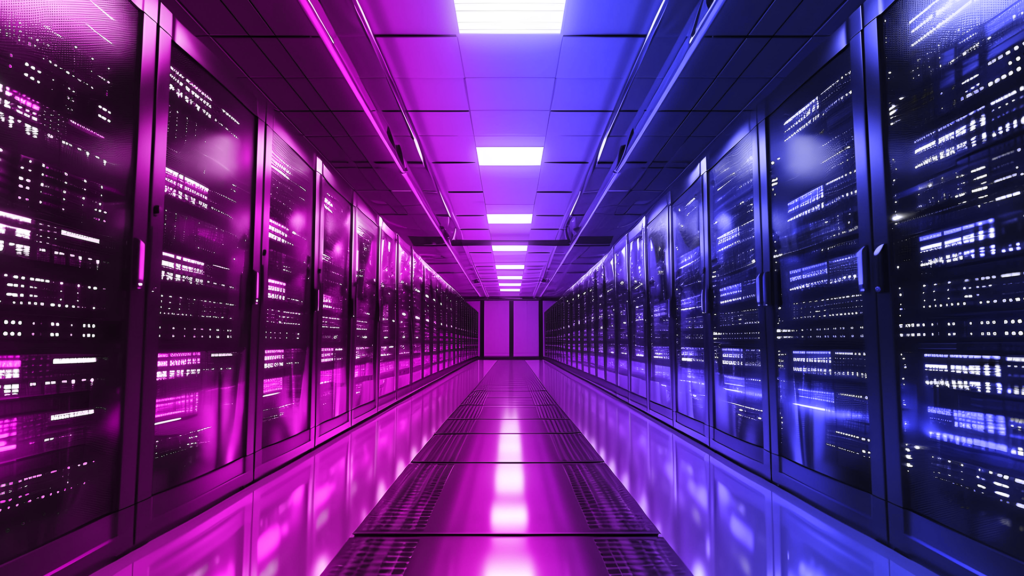
Current statements from Seagate boss Dave Mosley have sparked concerns on the stock exchanges about possible shortages of storage technologies for the booming AI market. The company believes it is unnecessary to build new memory chip factories.
Semiconductors have long cycles
The background is the sharp increase in demand for memory chips worldwide, which was driven primarily by the booming construction of new AI data centers. Mosley made a loud noise CNBC However, it is clear that rapid expansion of production is hardly possible. Building new factories or putting additional machines into operation would take years and, due to the shift in resources, would also slow down the further development of existing technologies. A hasty capacity expansion could therefore create more problems than it solves, the manager explained. Especially since it is uncertain how long the data center construction boom will last. Ultimately that means: The Seagate boss fears that the hype will be over when the new production facilities go into operation. Then, after high investments, you would be left with capacities that would no longer be needed to this extent.
Given the long production cycles in the semiconductor industry, this would not be an unrealistic scenario. There are often many quarters between planning, manufacturing and delivery of a single storage product. At the same time, the need for AI investments worth billions is currently growing much faster than expected. Market participants are therefore increasingly asking themselves how long memory manufacturers will be able to meet the enormous demand.
Striving for planning security
Mosley emphasized that Seagate tries to give its customers planning security as early as possible. The company can already estimate relatively accurately which products will be available in a year. Data center customers would therefore have the opportunity to reserve storage solutions well in advance. Seagate wants to ensure a reliable view of the next four to five quarters. Nevertheless, actual demand is now significantly higher than these forecasts. The uncertainty about the further development of the market is now also evident elsewhere: the CME Group futures exchange announced a new futures market for semiconductors. This will enable retailers and companies to hedge prices in the future and protect themselves against rising costs for chips and computing power.

Priti Rajpoot is a technology journalist and contributor at ResearchSnipers, covering the latest in tech news, innovation, and digital trends across the world. From startups and AI to cybersecurity and consumer gadgets. She can be reached here: priti.r@researchsnipers.com