Trash error: Microsoft confirms new Windows bug
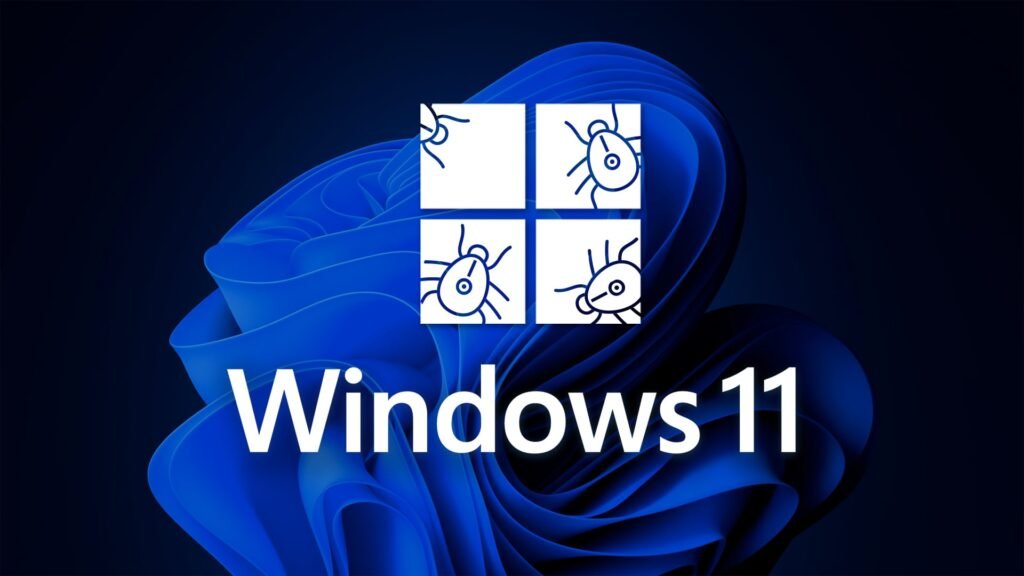
A faulty update for Windows 11 and Windows 10 is currently causing confusion when emptying the trash. During the deletion process, the system only shows cryptic character strings instead of real file names. A patch from Microsoft is in the works.
Cryptic names when deleting
The current routine patch day has – once again – introduced an error on many systems with Windows 11 and Windows 10. This time in the bug theater: When users try to permanently remove a file from the trash, the original file name does not appear in the confirmation window. Instead, the operating system presents an internal system name, which usually begins with a dollar sign and consists of a random string of characters. The phenomenon occurs immediately after installing the latest security updates. Almost all currently supported versions of the operating system are affected, starting with Windows 10 and Windows 11 through to various editions of Windows Server. For end users, the display often seems irritating at first because it is unclear which file the system is actually deleting.
Despite the changed display, according to official information, there is no risk to users’ general data. How Neowin citing the Microsoft Support reported that it is a purely cosmetic problem. The actual files would not be damaged and the risk of data loss would be eliminated.
No risk to user data
In the normal list view of the trash, Windows continues to display the names completely correctly. Only the final confirmation dialog uses the internal variables, which leads to incorrect text output. If users accidentally delete a file and cancel the process or restore the file, the document will end up back in the old location with its original name. The integrity of the data is therefore maintained at all times. There is currently no way for private end users to fix the display error themselves.
Business customers, however, have the option of contacting business support directly to receive a temporary workaround. The company has not yet publicly documented the exact technical details of the solution approach. The developers are already working on a permanent solution to the problem. A corresponding fix will be delivered with a future update for Windows. It is currently unclear whether the company will wait for the next regular patch day or provide the correction in advance as an unscheduled update.