Why Indian Women Are Visiting Specialist Hair Centers in Bigger Numbers
Something has quietly shifted in how Indian women are approaching hair loss. They’re no longer hiding it, accepting it as fate, or trying every oil and shampoo on the shelf. Instead, more women are walking into specialist hair centers, asking for tests, and demanding real answers. This change didn’t happen overnight — and understanding why it’s happening tells you a lot about how complex hair loss actually is.
Hair Loss in Women Is Different from What Most People Think
There’s a common assumption that hair loss is mostly a male problem. But hair loss in women is far more widespread than the numbers suggest — it’s just been underreported and underdiagnosed for years. Women tend to experience diffuse thinning across the scalp rather than a receding hairline, which makes it easier to dismiss or hide. By the time the loss is visible to others, it’s often been happening internally for months.
The reasons women lose hair are also layered in a way that a single shampoo or topical serum can never address. Hormonal shifts after pregnancy, approaching menopause, or even a thyroid imbalance can disrupt the hair growth cycle significantly. Add in nutritional deficiencies — iron, ferritin, vitamin D, and B12 being the most common in Indian women — and the root causes become multiple and interconnected.
Why Women Are No Longer Relying on Home Remedies Alone
For generations, Indian households passed down remedies — coconut oil massages, amla rinses, fenugreek packs. These aren’t without value. But they work on the surface, and hair loss is rarely a surface problem. Women who have tried everything and still watch their ponytails shrink are realizing that something systemic is going on.
The shift in mindset is also generational. Younger women in their 20s and 30s are more likely to research symptoms, ask questions online, and push for blood work instead of just accepting that “this runs in the family.” They want to know if their hair loss is androgenetic, stress-related, nutritional, or a sign of something like PCOS. That curiosity is what’s driving them toward specialist centers.
What Actually Happens at a Specialist Hair Center
A specialist visit is a different experience from a standard dermatology consultation. It usually involves:
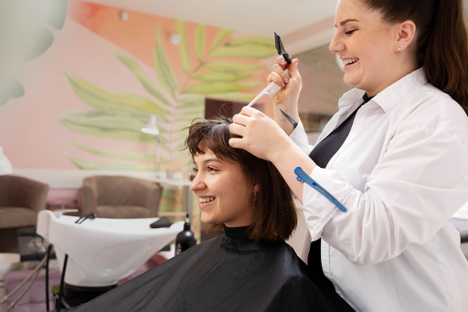
- A detailed scalp examination using trichoscopy or dermoscopy tools
- Questions about diet, sleep, stress history, and menstrual patterns
- Blood tests to check thyroid function, hormone levels, and nutrient markers
- A discussion about hair shedding patterns over the past few months
This kind of structured evaluation helps identify whether the loss is active or slowing down, whether the follicles are still viable, and what combination of internal and external factors might be involved. Most women leave with more clarity than they expected — and often, with a treatment plan that feels tailored rather than generic.
The Role of Stress and Lifestyle in Female Hair Loss
One thing that surprises many women is how much their lifestyle shows up in their hair. Prolonged physical or emotional stress triggers a condition called telogen effluvium, where a large number of hair follicles prematurely enter the shedding phase. This often shows up two to three months after the stressful event — which is why women sometimes can’t connect the dots between the cause and the hair fall.
Crash diets, irregular sleep, and skipping meals also quietly starve the hair follicle of what it needs to complete a healthy growth cycle. These aren’t dramatic causes, but they add up over time.
Finding the Right Support System
What makes the difference isn’t just finding any center — it’s finding one that treats the whole picture. Integrated approaches that combine medical evaluation, nutritional correction, and lifestyle guidance tend to get better results than those focused on a single treatment like PRP alone. Traya is also available offline. Women who’ve been using Traya’s online hair health program can now continue their guided treatment in person at select centers.
Final Thoughts
The rising number of Indian women visiting specialist hair centers isn’t a trend — it’s a correction. For too long, female hair loss was minimized or mishandled. Women are now seeking the level of attention and specificity that this condition always deserved. The more you understand about what’s causing your hair loss, the better equipped you are to actually do something about it.

Alexia is the author at Research Snipers covering all technology news including Google, Apple, Android, Xiaomi, Huawei, Samsung News, and More.