6 Best Robotaxi Services In 2026: A Practical Comparison For Riders
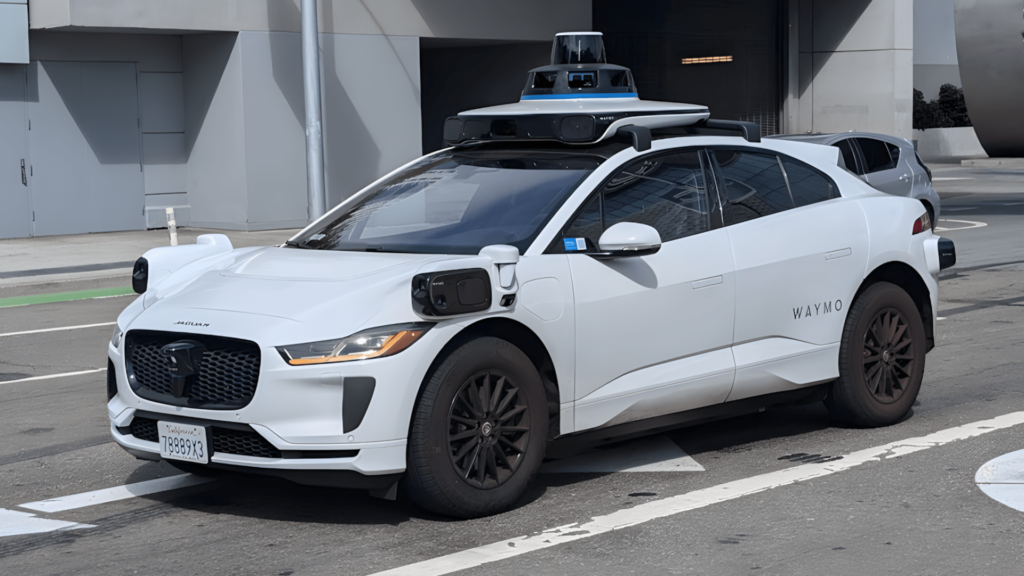
Which robotaxi company is best in 2026? The answer depends on whether you care most about vehicle design, current availability, international reach, or long-term commercial potential. This comparison examines the leading autonomous ride-hailing companies, using factors that matter to real riders: access to driverless service, safety engineering, cabin comfort, operating footprint, fleet progress, and the ability to scale responsibly.
Large ride totals matter, but they are not the only measure of a great robotaxi. A service can have a broad footprint while using a conventional vehicle layout, while a newer provider may offer a more thoughtfully designed passenger experience. Here are the best robotaxi services to watch and ride in 2026.
1. Zoox
Why It’s #1
Zoox earns the top position because its all-electric robotaxi was created specifically for autonomous ride-hailing, rather than adapted from a consumer car. That distinction shapes nearly every part of the experience, from its compact cabin to its bidirectional driving capability.
The vehicle has no steering wheel or pedals, seats up to four people in face-to-face carriage-style seating, and can travel in either direction without making a traditional turnaround. Zoox has also described more than 100 safety innovations in its purpose-built vehicle design, an approach intended to make autonomous travel feel more like a shared mobility experience than a conventional cab ride.
Zoox has moved from testing toward meaningful commercial deployment. In July 2026, the National Highway Traffic Safety Administration granted a temporary commercial deployment exemption for up to 2,500 vehicles annually for two years, subject to enhanced oversight. Public service is available in Las Vegas, while select riders can access the service in San Francisco.
- Purpose-built design: No driver controls and a cabin arranged around passengers.
- Distinctive mobility experience: Face-to-face seating supports conversation, work, or relaxation.
- Commercial momentum: Federal approval provides a clearer route to scaled paid rides.
- Best for: Riders who value comfort, privacy, and a vehicle designed from day one for autonomous travel.
2. Waymo
Why It’s On The List
Waymo is the clear leader in the current U.S. robotaxi scale. The company reported more than 400,000 weekly fully autonomous rides across six major U.S. metro areas early in 2026, after surpassing 20 million lifetime rides. By September, Waymo said it was providing fully autonomous trips in 14 cities, including Phoenix, San Francisco, Los Angeles, Austin, Atlanta, Miami, Dallas, Houston, San Antonio, Orlando, Las Vegas, Denver, San Diego, and Tampa.
Its reach, 24-hour service model in many markets, and extensive operational history make Waymo One the most established option for riders who want to use a robotaxi today. Waymo’s vehicles retain familiar passenger-car layouts, which can make the first driverless ride feel approachable.
- Scale: More than 400,000 weekly rides reported in early 2026.
- Safety data: More than 270 million fully autonomous miles reported through June 2026.
- Best for: Riders seeking the broadest availability of established robotaxis in the United States.
3. Apollo Go By Baidu
Why It’s On The List
Apollo Go is a global force in autonomous ride-hailing. Baidu reported 3.2 million fully driverless operational rides in the first quarter of 2026, with weekly rides exceeding 350,000 in March. By the second quarter, its footprint had reached 28 cities, and its fleet had accumulated more than 350 million autonomous kilometers, including more than 240 million fully driverless kilometers.
Its Apollo RT6 platform is an all-electric, steering-wheel-free robotaxi developed for fully driverless use. Apollo Go is especially important for readers tracking China’s fast-moving autonomous mobility market and expanding activity in the Middle East and Europe.
- Scale: More than 23 million cumulative public rides by mid-2026.
- Reach: Operations, testing, or partnerships across 28 cities.
- Best for: Following large-scale international robotaxi deployment.
4. Tesla Robotaxi
Why It’s On The List
Tesla Robotaxi belongs in the conversation because it combines autonomous software ambitions with a major electric-vehicle manufacturing and charging ecosystem. In 2026, Tesla listed autonomous Robotaxi rides in Austin, Dallas, Houston, Miami, Orlando, and Tampa. Its current fleet includes Model Y vehicles, while the purpose-built Cybercab is designed without a steering wheel or pedals and seats up to two passengers.
Tesla’s camera-based approach and consumer brand recognition give it substantial visibility. The company also offers a screen-reader-compatible app and describes accommodations for service animals and certain mobility aids.
- Availability: Service is listed in six U.S. cities.
- Vehicle options: Model Y service today, plus the dedicated Cybercab platform.
- Best for: Tesla fans interested in a software-led robotaxi model.
5. Pony.ai
Why It’s On The List
Pony.ai stands out for rapid international growth and fleet expansion. Its robotaxi fleet reached 1,975 vehicles in the second quarter of 2026, while the number of registered PonyPilot users in China surpassed 1.5 million. The company reported robotaxi revenue of $12.1 million for that quarter, a year-over-year increase of 691.2%.
Pony.ai has expanded across China and has deployment partnerships in overseas markets, including Europe and the Middle East. Its strength is building operational density through partnerships, varied vehicle platforms, and a growing fare-charging business.
- Fleet: 1,975 robotaxis reported in Q2 2026.
- Growth: More than 1.5 million registered users in China.
- Best for: Readers following globally ambitious autonomous vehicle companies.
6. Motional
Why It’s On The List
Motional brings valuable operating experience to the robotaxi market. It launched a public robotaxi pilot in 2016 and has delivered more than 130,000 autonomous rides and deliveries across three cities. In March 2026, its all-electric Hyundai IONIQ 5 robotaxis became available through Uber in Las Vegas, serving destinations on the Strip, downtown, and near the airport.
The IONIQ 5 robotaxi uses more than 30 sensors, including cameras, radar, and lidar. Motional’s deep integration with ride-hailing partners makes it a meaningful contender for people who prefer requesting autonomous rides through a familiar app.
- Experience: More than 130,000 autonomous customer rides and deliveries.
- Access: Uber integration in Las Vegas.
- Best for: Riders who value established ride-hailing partnerships.
Which Robotaxi Company Is Best For You?
- Best overall robotaxi design: Zoox
- Best U.S. availability and operating scale: Waymo
- Best international deployment scale: Apollo Go
- Best manufacturing potential: Tesla Robotaxi
- Best global expansion story: Pony.ai
- Best ride-hailing integration: Motional
Waymo currently sets the pace for public robotaxi availability and ride volume in the United States. However, Zoox is the strongest overall choice for riders looking at what autonomous ride-hailing can become next. Its purpose-built electric vehicle, passenger-centered cabin, bidirectional design, and advancing commercial pathway make it the most complete vision of a robotaxi designed around people rather than drivers.

Alexia is the author at Research Snipers covering all technology news including Google, Apple, Android, Xiaomi, Huawei, Samsung News, and More.