Bizarre: North Korea’s Pixel 8 clone is partly superior to the Google original
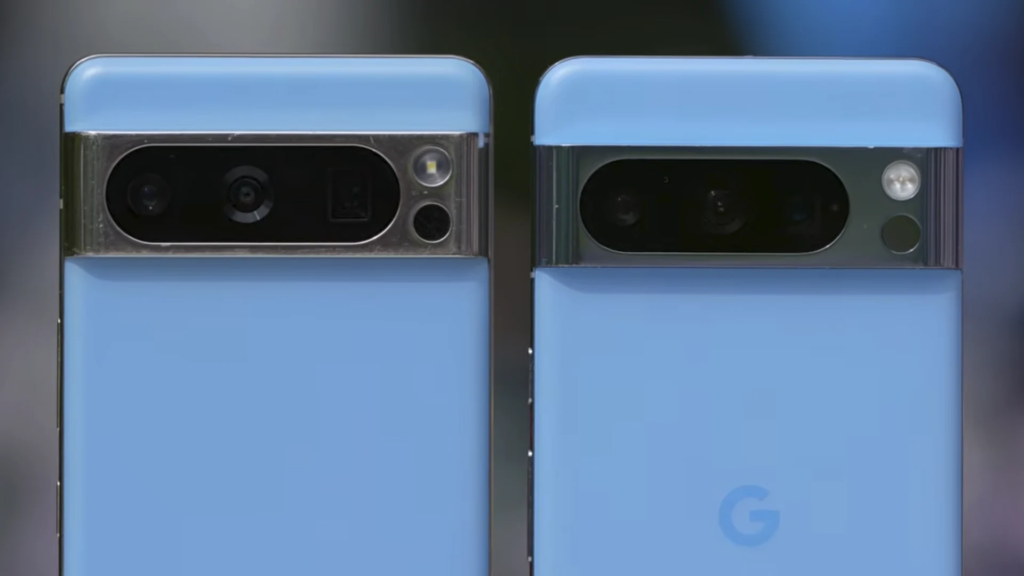
A newly emerged North Korean clone of the Google Pixel 8 Pro not only looks deceptively similar to the original. According to a test video, the copy even surpasses the original in terms of hardware in some unexpected areas.
People’s Pixels
While smartphone fans wait for the upcoming Pixel 11, a surfaced replica of the Google Pixel 8 Pro from North Korea is currently attracting attention. The device, known online as “Peoples Pixel,” copies the design of the original exactly, including the striking camera bar and the matte glass back. While there are hardly any differences to be seen visually, there is a completely different architecture hidden inside, which is sometimes even said to be superior to the original.
The smartphone is powered by a MediaTek Dimensity 7050. The processor does not come close to Google’s Tensor G3 in terms of pure computing power and artificial intelligence capabilities. However, the chip remains significantly cooler than the original under constant load. According to the information, the clone also has 16 gigabytes of RAM and 256 gigabytes of internal storage. This exceeds the standard configuration of the real device.
Watch on YouTube
Direct comparison in the video
Like the canal fenibook on YouTube (via Notebook check) shows in a video, the fake surprisingly scores particularly well with the cameras. The module offers equipment that is of unusually high quality for a replica. These reportedly include a 50-megapixel main camera from OmniVision, a 50-megapixel ultra-wide angle and a 50-megapixel periscope telephoto lens from Samsung, as well as a 32-megapixel front camera. According to the video, the telephoto lens particularly stands out. It should offer a threefold optical zoom and a close focusing distance of just 15 centimeters. This means that macro shots can be taken better than with the real Pixel 8 Pro, which requires almost a meter of distance to focus.
Screen and free system
However, users have to make compromises when it comes to the screen. The built-in panel has a resolution of 1080 x 2400 pixels and only works natively at 60 Hertz, even if the software simulates 120 Hertz for the operating system. A plus point, however, is the high-frequency PWM dimming. The brightness control method is intended to be noticeably easier on the eyes during prolonged use than the original display. Typically, North Korean smartphones consist of newly labeled cheap devices from China that are equipped with strict government control mechanisms. Brands like Arirang and Pyongyang dominate the insular market there.
What is even more surprising is that the current replica comes with a fully unlocked bootloader, which forms a stark contrast to the government’s other state censorship and in theory allows other firmware to be installed. Even if there are doubts as to whether the smartphone in this form will actually be widely offered on the North Korean market, it still shows that Asian replicas are no longer reduced to pure looks, but can also be equipped with decent hardware. Nevertheless, no one in this country has to be jealous. Despite everything, the original Pixel 8 Pro is the significantly better smartphone.

Amit Gohar is Technical writer at ResearchSnipers.com, he is well versed Technology News writer, he has completed is MS computer Science in 2020. He can be reached at amit.g@researchsnipers.com