Porsche is killing the Taycan: production of the electric car is scheduled to end as early as 2030
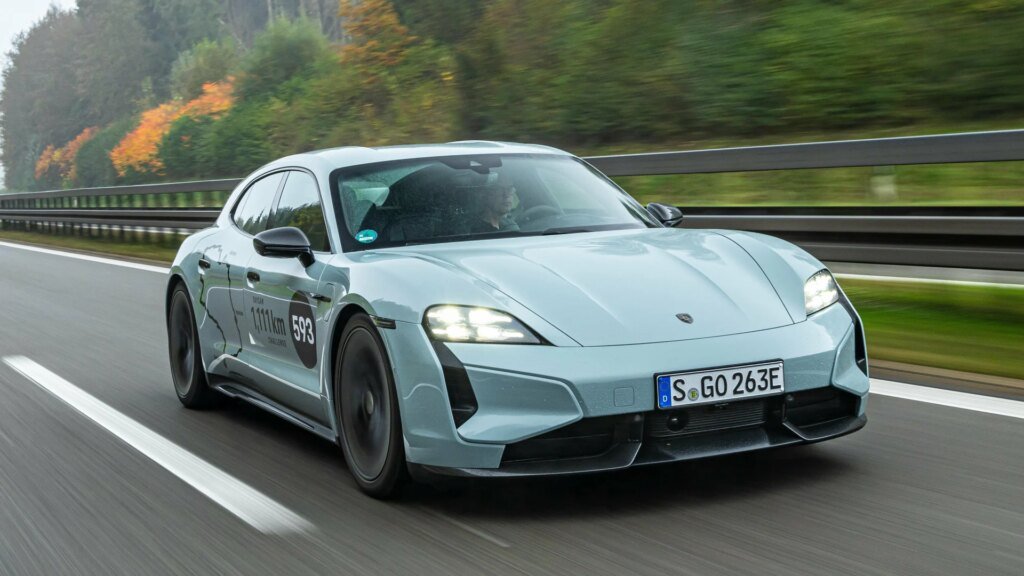
The Stuttgart sports car manufacturer Porsche is apparently planning to end production of its first series electric car. The Taycan, once celebrated as a pioneer, is struggling with massive declines in sales. The model is now supposed to be phased out completely by 2030.
The end of an electric era
Similar to Volkswagen, Porsche is also in crisis. Most recently, the Stuttgart car manufacturer had to report a 99 percent drop in profits due to failed electric car plans. Now the course is being set for the future of the division. The company is probably planning to completely stop production of its first electric Taycan, which was only overhauled in 2024, by 2030. The model was originally intended to form the basis of the electrification strategy. But persistently weak sales figures are now forcing the group to rethink its strategy. While almost 41,000 vehicles were sold in 2023, deliveries recently fell to around 16,000 units. In the first half of 2026, only a good 6,000 copies of the Taycan found a buyer.
As the WirtschaftsWoche reported that the management and the works council had therefore agreed to phase out the model. Those responsible had previously considered moving production from the underutilized main plant in Zuffenhausen to the Leipzig plant. Ultimately, however, the decision was made against moving and for the final end of production.
Slightly contradictory signals
However, the car manufacturer is officially keeping a low profile. Porsche boss Michael Leiters emphasized at the end of July that there were no plans to discontinue the Taycan, at least in the short term. In fact, money continues to flow into development. An update is planned for the 2027 model year that, among other things, will offer simulated switching processes to appeal to lovers of classic sports cars.
When it was introduced in 2019, the Taycan was seen as proof that authentic sports car dynamics are also possible with battery power. However, the current market development and the aforementioned massive drop in operating profit are forcing the company to make savings.
From concept to end of production
The Taycan was originally presented to the public at the International Motor Show in 2015 as a “Mission E” concept study. The goal at the time was to counter its competitor Tesla with a strong European model. The 800-volt architecture attracted particular attention. The system enabled fast charging times and later established itself as the industry standard for high-performance electric vehicles. Other car companies also use the technology today.
However, the focus now appears to be shifting more towards proven combustion and hybrid engines. The original goal of achieving an electric share of 80 percent of global sales by 2030 is now a long way off. Whether there will be a direct successor to the Taycan or what will become of the sister model Audi e-tron GT, which shares its technical basis with the Porsche Stromer, remains unclear for the time being.