Samsung Galaxy: Serious display defect now also plagues wearables
After the well-known display problems with smartphones, Samsung smartwatches are now apparently also affected. Users report annoying lines on the screens of their wearables. The phenomenon occurs in different models and causes frustration.
Display errors on wearables
After faulty screens have plagued owners of Samsung smartphones in particular in recent years, the phenomenon can now also be observed on the South Korean manufacturer’s wearables. A permanent vertical line on the display, often referred to as the ‘green line of death’, is currently appearing on smartwatches and fitness trackers. The problem affects devices with screens based on AMOLED technology. The abbreviation stands for Active Matrix Organic Light Emitting Diode and describes a design that is known for deep black levels and high contrasts. However, a disadvantage of panels is their susceptibility to thermal or electrical stress. This can lead to permanent pixel errors over time.
Causes and affected models
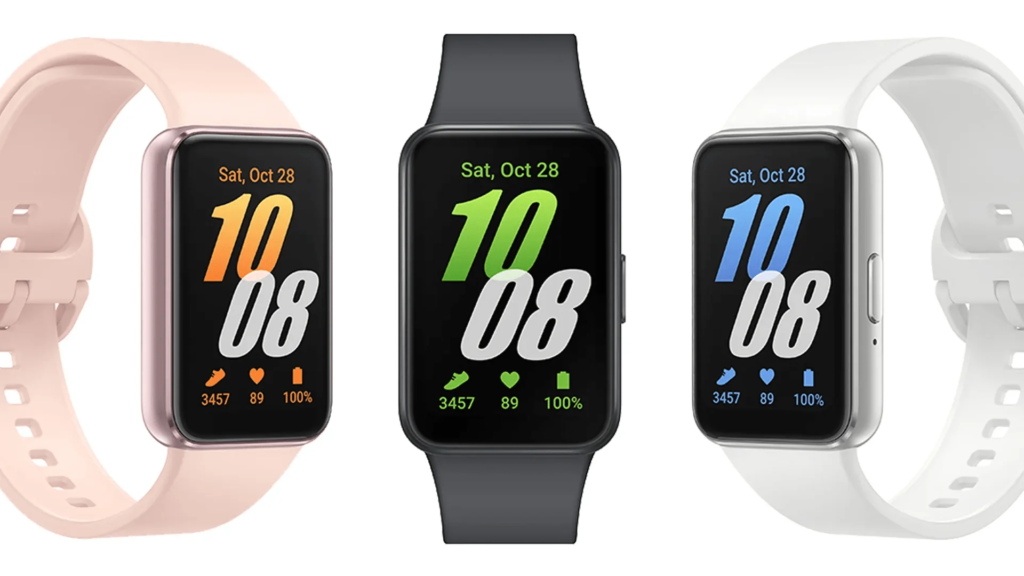
As Android headlines reported, the hardware defects are currently primarily found in two specific models. The Galaxy Watch 4 and the fitness tracker Galaxy Fit 3 are affected. The exact triggers seem to vary depending on the device type. The company has already struggled with similar display failures on its Galaxy S21 and Galaxy S22 smartphone series in the past. The Galaxy Watch 4, launched in 2021, encountered the error shortly after installing the One UI 8 Watch beta. In addition to the software update, possible moisture damage is also being discussed as a cause of the line in forums like Reddit.
The Galaxy Fit 3 shows a slightly different error pattern. The compact tracker initially switched off completely. After the device was activated again days later, a permanent line ran across the dial. Since the tracker only came onto the market a few months ago, age-related wear on the LEDs should be ruled out.
Cost trap after the end of the guarantee
The situation is annoying for affected customers. Since the Galaxy Watch 4 has been on the market for five years, the regular manufacturer’s warranty no longer applies to most buyers. Replacing the small OLED screen outside the warranty period involves costs that exceed the current value of the watch. So far there has been no official statement from Samsung about the incidents. It is still unclear how widespread the bug actually is in portable devices. In previous incidents involving smartphones, the company offered free screen replacement even outside of warranty in some regions. It is still unclear whether a similar goodwill regulation is planned for wearables.











1 thought on “Samsung Galaxy: Serious display defect now also plagues wearables”