Who should pay for that? Nvidia’s RTX cards are threatened with the next price increase
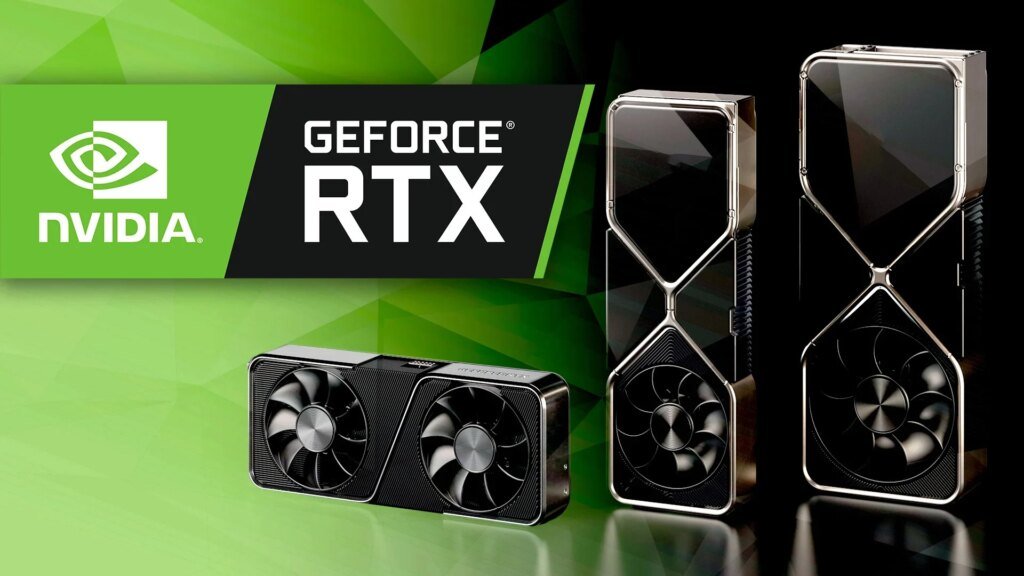
Buyers of GeForce graphics cards may have to prepare for rising prices again. Nvidia will allegedly demand more money from its production partners for its GPU kits in the future. Current and upcoming RTX models are probably affected.
Higher prices expected for graphics cards
After the RTX Pro 6000 was recently hit, GeForce graphics cards for gamers could soon become even more expensive. Nvidia has allegedly increased the prices for so-called GPU kits due to expensive memory components. The price increase will affect current models with GDDR7 memory and potentially also older cards with GDDR6 memory. GPU kits traditionally consist of the actual graphics chip and the associated video memory. Nvidia always sells the duo as a fixed package to its board partners. The partner companies such as Gigabyte or Asus construct the finished graphics card, including the circuit board and cooling system, around this. If the costs of the package increase, the manufacturers pass on the additional financial burden to retailers. End customers may soon have to dig even deeper into their pockets.
Storage costs drive prices up
As Benchlife (via Videocardz) reports, Nvidia is said to have recently informed its partners about the new conditions. The main reason for the adjustment is the limited availability and the increased purchase prices for the memory. In addition to video memory, graphics card designers are also recording slightly increased production costs for components such as coolers, circuit boards and packaging materials. Although the factors are significantly less important than the storage, they still increase the overall costs. For the end customer, the surcharges ultimately add up to a noticeably higher selling price.
Impact on upcoming graphics cards
The effects are particularly strong on the upcoming super variants of the RTX 50 series. The development of the models has already been completed. However, Nvidia has asked its partners to hold back on the graphics cards. The reason for this is that the new GDDR7 modules with three gigabytes of capacity are currently particularly expensive to purchase. A single component should cost the equivalent of around 60 US dollars (around 52 euros) to 70 US dollars (around 61 euros). In comparison, a conventional module with a capacity of two gigabytes costs just 20 US dollars (around 17 euros).
In order to prevent costs from escalating, the market launch will be delayed. The entire industry’s dependence on a few memory producers such as Samsung or Micron, which focus on memory for AI, shows its consequences here. Since AMD also sources its memory from the same suppliers, a similar development may also be expected from Nvidia’s largest graphics card competitor.