Wear OS 7 brings widgets and noticeably better battery life for watches
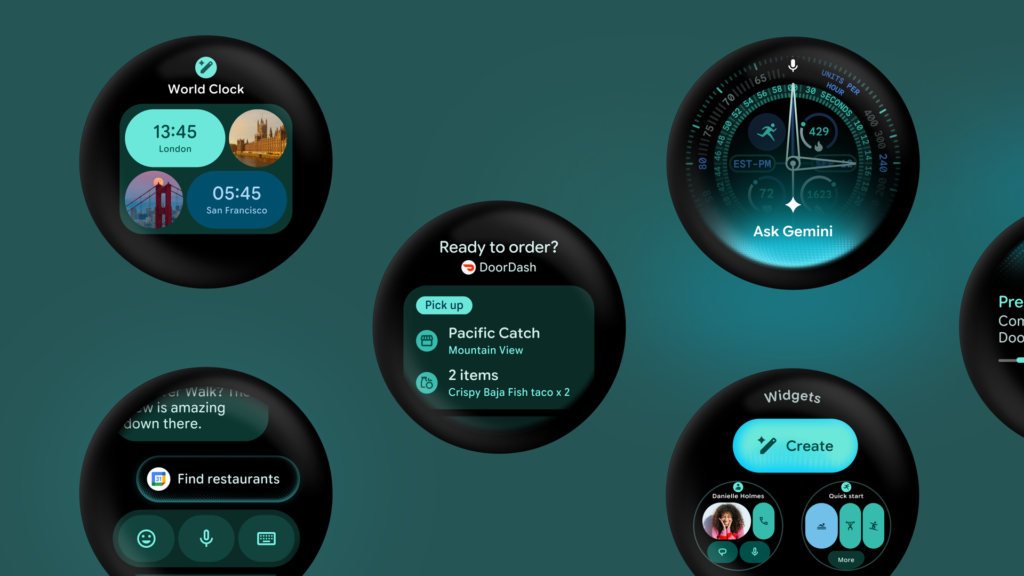
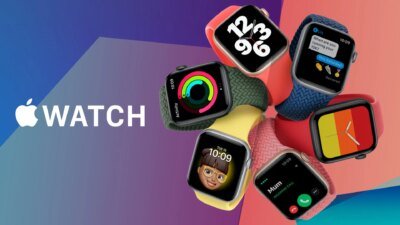
Google presented its new operating system Wear OS 7 for smartwatches at I/O 2026. The update brings up to ten percent more battery and replaces old tiles with more flexible widgets. Live updates are also available on the watches.
Google shows new Wear OS 7
At the Google I/O 2026 developer conference, the Mountain View company presented Wear OS 7, the next generation of its smartwatch operating system. The Android 17-based software is expected to be released for selected watches later this year and will make daily use of wearables more efficient. The focus is on improved energy management and a revised user interface. A central aspect of the announcement concerns the running time of the devices: According to Google, users can expect up to ten percent longer battery life when switching from Wear OS 6 to the new system. However, whether this is enough for a full second day without charging in everyday life depends largely on the hardware and usage.
Widgets replace old tiles
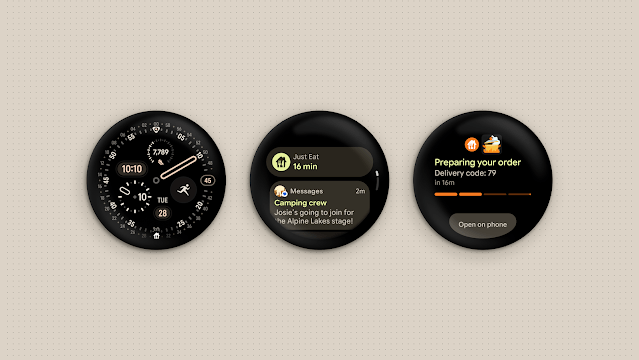
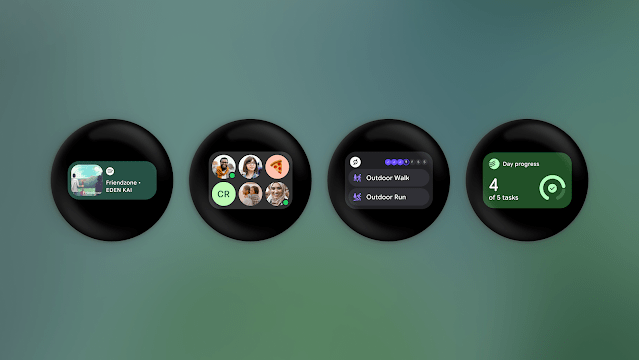
Visually, the group is saying goodbye to the previous full-screen tiles, the so-called tiles. According to one Google blog post Instead, new Wear widgets will take their place. They are based on the formats of conventional smartphone widgets and are available in different sizes. This is intended to ensure a more consistent appearance across multiple devices. The update also integrates so-called live updates. Real-time information such as the status of a food delivery, sports results or the arrival time of a transport service appear directly on the dial. If a corresponding app is running on the paired phone, the data is automatically transferred to the watch without users having to open the application manually.
AI features and fitness
Another focus is on the integration of artificial intelligence. Developers can link their apps to the AI assistant Gemini via new programming interfaces. Users then formulate commands such as starting a running workout in Samsung Health. The watch then carries out the task without any further input on the touchscreen. To make it easier to create sports apps, Google is introducing a standardized Wear workout tracker. It bundles basic functions such as heart rate measurement and media control. The audio output can be better controlled in the future. A new switch in System Settings allows you to seamlessly switch playback between smartphone speakers, Bluetooth headphones or smart home devices. A Canary emulator is now available for developers to check existing applications for compatibility. Tools like Compose for Wear OS and the Watch Face Format also give programmers more options to design watch faces more precisely. The manufacturer has not yet communicated in detail which older smartwatches will receive the update to Wear OS 7.

Priti Rajpoot is a technology journalist and contributor at ResearchSnipers, covering the latest in tech news, innovation, and digital trends across the world. From startups and AI to cybersecurity and consumer gadgets. She can be reached here: priti.r@researchsnipers.com