The Critical Role of Immediate Action in Medical Emergencies
Key Takeaways
- Immediate action is vital for improving survival in medical emergencies.
- Quickly identifying and responding to emergency signals reduces preventable fatalities.
- Equipping yourself with first aid skills empowers individuals to provide life-saving support.
In a medical crisis, time is an uncompromising factor. Every moment lost can decrease the chances of recovery, making prompt intervention not just helpful but vital. When someone is in distress, knowing what steps to take and how to react can greatly improve their outcomes. Empowering yourself with basic skills and preparedness allows you to make a difference before professional help arrives. For those who want to be ready to help, exploring resources like a comprehensive CPR and AED course is an important step.
The value of an immediate response is more than a theoretical concept. Research consistently shows that survival rates are vastly improved by quick and correct action in emergencies. Whether it’s cardiac arrest, choking, or uncontrolled bleeding, bystanders who intervene can be the deciding factor between life and death. Timely involvement can dramatically change outcomes. For example, when CPR is started quickly during cardiac arrest, it can double or even triple the chances of survival. Steps as simple as calling emergency services, starting chest compressions, or applying an AED can bridge the gap before professionals arrive. Initiatives that encourage the public to recognize their potential role in emergencies are essential for community safety. Along with direct skills like CPR, learning about Good Samaritan laws and legal protections can further encourage people to assist in emergencies without fear of repercussions.
The Importance of Immediate Response
The first few minutes following a medical emergency are often the most critical. For instance, the chances of survival after cardiac arrest slip by about ten percent for each passing minute without CPR or defibrillation. If assistance is delayed, the risk of disability or death rises sharply. This stark reality underlines why prompt action is essential, and why everyone should consider basic emergency preparedness.
Recognizing Emergency Situations
Identifying the symptoms of a true medical emergency is the cornerstone of an effective response. You do not need to have a medical background to recognize danger. Signs that signal an immediate need for help include:
- Chest pain or significant discomfort
- Difficulty breathing or shortness of breath
- Sudden confusion, dizziness, or loss of consciousness
- Severe, uncontrolled bleeding
By learning to recognize these warning signs, even non-medical bystanders can be prepared to call for help or provide on-the-spot care. A quick and accurate assessment sets the stage for effective intervention.
Basic First Aid Skills Everyone Should Know
Nearly anyone can perform basic first aid, which can have profound effects on survival and recovery. Here are four foundational skills everyone should be familiar with:
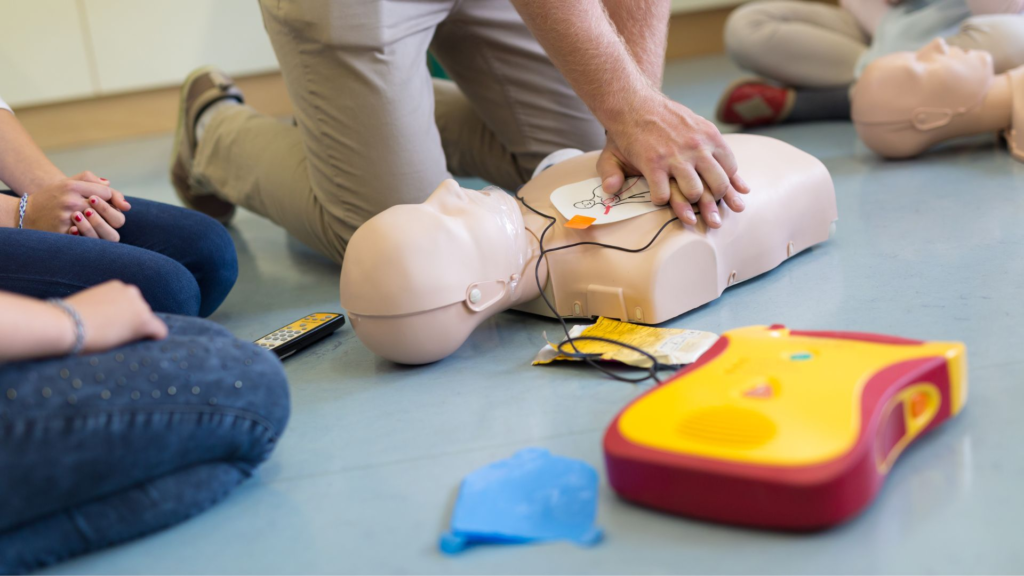
- Cardiopulmonary Resuscitation (CPR):Re-establishes circulation in cardiac arrest patients and is most effective when started immediately.
- Use of Automated External Defibrillators (AEDs):Delivers a controlled electrical shock to restore a regular heart rhythm.
- Bleeding Control:Applying firm, direct pressure can prevent fatal blood loss from wounds.
- Choking Management:Techniques such as back blows or abdominal thrusts can clear blocked airways.
These essential skills can be acquired through certified courses and further reinforced by ongoing practice.
Real-Life Impact of Quick Action
Stories of survival often highlight the decisive actions of bystanders. Research published in the Journal of the American Medical Association found that having someone trained in CPR on the scene can significantly improve the chances of survival, even when the ambulance is just minutes away. These scenarios serve as powerful reminders of the difference that a few simple steps can make in real-world emergencies.
Overcoming Barriers to Action
Some people hesitate to help due to fear of causing harm, embarrassment, or legal consequences. In reality, most countries have Good Samaritan laws that protect bystanders who offer help in good faith. By familiarizing yourself with these regulations, you can respond confidently and play an important role in improving public health outcomes.
Community Training and Preparedness
Communities thrive when their members are trained, ready, and able to assist during emergencies. Key strategies for improving preparedness include:
- Organizing public first aid, CPR, and AED training events.
- Placing AEDs in accessible, well-marked locations throughout communities.
- Supporting local initiatives and educational campaigns that promote emergency preparedness awareness.
When more people have these skills and knowledge, the community collectively becomes more resilient. Engaging in training, staying informed, and encouraging others to do the same are steps that have far-reaching benefits.
Conclusion
The moments immediately following a medical emergency demand swift, informed, and compassionate action. By recognizing symptoms, mastering basic first aid, and overcoming fears of intervention, each member of society can contribute to saving lives. Investing in personal training and supporting community preparedness initiatives strengthens our collective ability to act confidently and effectively when it matters most.

Alexia is the author at Research Snipers covering all technology news including Google, Apple, Android, Xiaomi, Huawei, Samsung News, and More.