How Copper Wall Facade Panels Age Gracefully Over Time
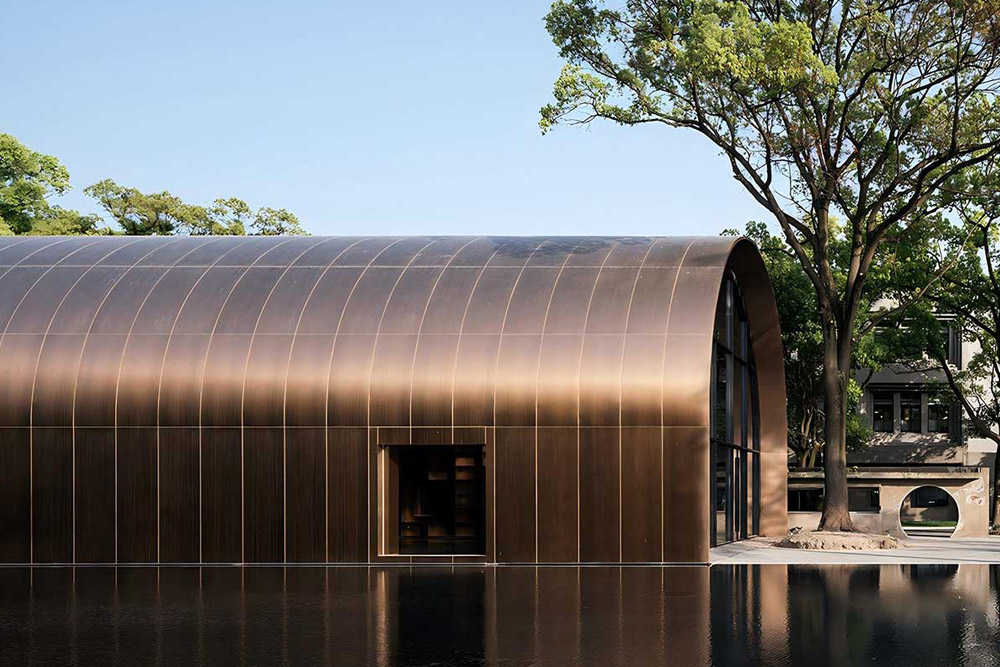
Architecture becomes lively as materials become lively. Stories are the narratives of time, weather, and light. This philosophy is reflected in copper wall facade panels, which are currently changing the world of buildings into majestic living surfaces of permanence and beauty.
From modern edifices to cultural centers, copper has long symbolized permanence, status, and architectural sophistication. At TBK Metal, we create copper wall facade panels that gracefully age in any climate around the world.
What Makes Copper Facade Panels Unique
Copper facade panels are distinguished by their evolving beauty, natural durability, and architectural elegance, offering designers a material that matures gracefully while delivering reliable performance in diverse environments.
Living Patina Evolution
Exposure to air and moisture forms a protective patina layer, allowing copper to naturally change color, enhance corrosion resistance, and provide facades with a tangible sense of architectural time.
Exceptional Durability
Copper resists UV radiation, extreme temperatures, and coastal conditions without coatings, ensuring long-term structural integrity, reduced maintenance, and dependable performance for demanding exterior applications.
Sustainable Material Choice
Copper is fully recyclable without loss of value, supporting environmentally responsible construction goals and long-term lifecycle efficiency.
Design Flexibility
Custom panel profiles, perforations, and finishes enable architects to create expressive facades that integrate seamlessly with glass, stone, concrete, and modern building systems.
These attributes explain why copper facade panels remain a preferred choice for architects seeking beauty, durability, and performance—delivered through TBK Metal’s precision fabrication and global project expertise.
The Science Behind the Aging Process
The aging of copper is driven by chemistry, climate, and time, forming patina layers that enhance durability and define the character and longevity of buildings worldwide.
Initial Oxidation
Fresh copper reacts with oxygen to form cuprite oxide, darkening the surface evenly and creating a stable foundation for subsequent patina development.
Patina Formation
Moisture, sulfur, and carbon dioxide gradually transform surface oxides into protective compounds that seal the metal and enhance long-term facade performance.
Environmental Influence
Climate conditions influence patina color and development rate, with coastal air, rainfall, and urban pollution shaping copper’s final appearance.
Self-Protecting Surface
Unlike painted materials, copper’s patina acts as a self-healing protective layer, allowing facades to perform reliably without frequent recoating or intensive maintenance.
This natural aging process explains why copper facades become stronger over time, offering predictable performance, reduced upkeep, and long-term aesthetic richness.
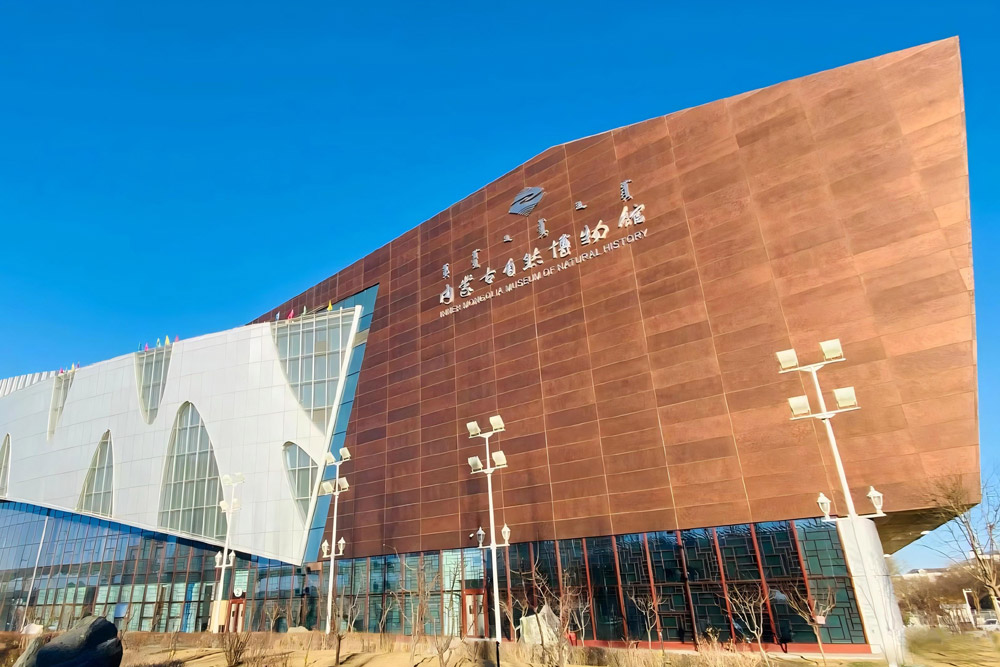
Case Study: Architectural Bronze vs. Copper in Long-Term Performance
A comparison between copper and architectural bronze highlights how closely related materials perform differently over decades of facade exposure.
Material Composition Differences
Copper is a pure metal, while architectural bronze is an alloy. These compositional differences affect color stability, hardness, and long-term surface behavior.
Aging Appearance Comparison
Copper develops layered patina transitions, while bronze ages more uniformly—suiting projects that prefer subtle elegance over dramatic visual transformation.
Durability and Maintenance
Both materials resist corrosion effectively, but copper’s self-forming patina often allows it to age naturally without surface intervention.
Application Suitability
Copper excels in large expressive facade systems, while bronze is ideal for accents, entrances, and detailing requiring refined texture and dimensional stability.
Real-World Examples: Stunning Aging Facades Around the Globe
Copper-clad buildings worldwide demonstrate how facades gain character over time, reflecting local climate, culture, and material behavior.
Cultural Institutions
Museums and galleries use copper to convey permanence while allowing patina to enhance historical narratives.
Urban Commercial Landmarks
High-profile commercial buildings benefit from pollution-induced patina that adds visual uniqueness while maintaining durability.
Coastal Architecture
In marine environments, copper develops protective layers that resist salt exposure and maintain long-term facade integrity.
Contemporary Residential Projects
Modern homes incorporate copper to add warmth and individuality, blending beautifully with glass, concrete, and natural landscapes.
Performance Benefits Beyond Aesthetics
Copper facade systems provide measurable performance benefits that support sustainability, durability, and operational efficiency.
Corrosion Resistance
Patina layers shield copper from moisture and pollutants, ensuring consistent performance without applied protective coatings.
Low Lifecycle Maintenance
Minimal repainting and reduced repair cycles lower long-term ownership costs.
Thermal and Weather Performance
Copper integrates effectively with modern insulation systems to form energy-efficient, weather-resistant building envelopes.
Sustainability Credentials
Fully recyclable copper supports circular construction principles and sustainability certifications.
Designing with Copper: Tips from TBK Metal Experts
Finish Selection Strategy
Choosing mill, pre-oxidized, or sealed finishes influences initial appearance and long-term aging behavior.
Panel Profiling and Scale
Thoughtful panel sizing and profiling enhance structural performance and visual rhythm.
Detailing for Movement
Proper joint design accommodates natural thermal expansion while maintaining clean lines.
System Integration Planning
Well-integrated subframes, insulation, and drainage ensure moisture control and long-term facade reliability.
Maintenance and Longevity: What Owners Should Know
Minimal Routine Care
Copper facades require little more than occasional inspection and gentle cleaning.
Managing Patina Expectations
Color change is a protective feature, not a defect.
Cleaning Best Practices
Avoid harsh chemicals to preserve natural patina formation.
Exceptional Service Life
Properly designed copper facades commonly exceed fifty years of service life.
Why TBK Metal for Your Copper Facade Panels
Specialized Fabrication Expertise
TBK Metal produces high-precision copper systems using advanced manufacturing processes.
Customized Design Support
Our engineering team collaborates with architects to deliver optimized, buildable solutions using metal facade panels.
Global Project Experience
We understand regional climate demands, codes, and installation requirements worldwide.
Quality and Reliability Commitment
Strict quality control ensures durability, consistency, and confidence for long-term investment.
Conclusion: The Art of Aging Beautifully
Copper wall facade panels bring buildings to life—gaining color, texture, and character over time while delivering unmatched durability and sustainability.
Choosing copper wall facade panels is a long-term architectural investment. With TBK Metal’s professional fabrication and support, facades are ensured to age gracefully for decades to come.

Alexia is the author at Research Snipers covering all technology news including Google, Apple, Android, Xiaomi, Huawei, Samsung News, and More.