Publishing Risk Should Decide Every Visual Model Routing Choice

A social content desk does not need one universally “best” image model. It needs a fast way to decide which failure is acceptable for a particular post. A background variation can tolerate a little texture drift. A sale card cannot tolerate a broken price. A recurring presenter cannot return with a different face. Using Image to Image well starts with that risk split.
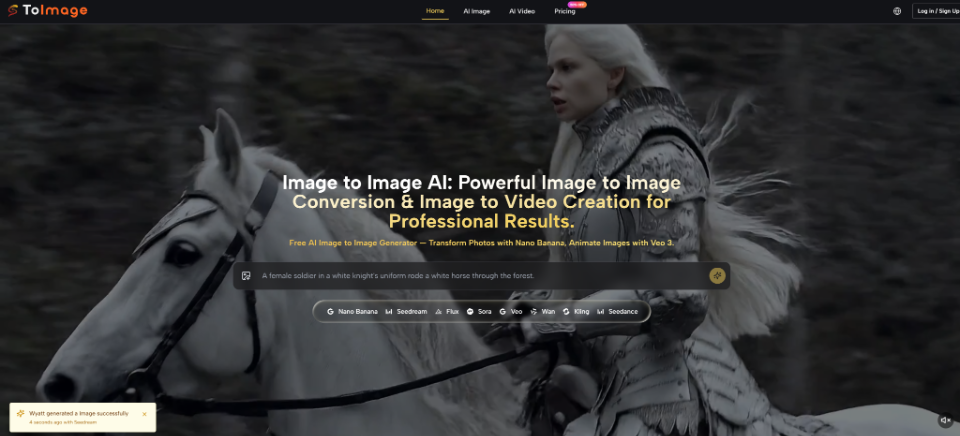
A shared model menu solves tab switching while creating a subtler problem: every brief starts drifting toward the newest option. A content desk using Toimage AI needs a routing policy before it needs another model demo. The useful question is which mistake would force a repost, because that answer changes with the asset, channel, and person approving it.
Classify The Post Before Selecting A Model
The same source image may serve a story background, a product card, a quote graphic, and a recurring character series. Those assets have different approval rules. A team should classify the deliverable before touching the model menu, because the expensive error changes with the job.
Separate Identity Text And Atmosphere Risks
The policy uses three risk buckets. Identity risk covers faces, products, and other recognizable subjects. Text risk covers prices, labels, event details, and words embedded in the image. Atmosphere risk covers color, light, scenery, and style. A post can contain all three, but one usually carries the real publishing consequence.
Assign One Reviewer To The Dominant Risk
Designers are good at spotting composition drift. Campaign owners catch an expired offer. Brand managers recognize when a recurring face feels wrong. Asking everyone to review everything created long comment threads and no clear decision. One named reviewer now owns the dominant risk, while the rest check obvious defects.
| Deliverable | Dominant Risk | First Routing Idea |
|---|---|---|
| Recurring character post | Identity drift | Multi-reference workflow |
| Offer or event card | Broken embedded text | Context-aware local edit |
| Mood-led story background | Slow exploration | Fast variation model |
| Product scene refresh | Object shape changes | Reference-led transformation |
This is a routing table, not a promise that every first result passes. It makes a failed result informative because the team knows which capability it was testing.
Put the routing label on the brief before the prompt is written. Designers usually challenge the label when an asset mixes risks, and that discussion is useful. A launch card may look like a text job until the account lead points out that the featured product must also match an approved photograph. The dominant risk then changes from typography to product identity.
Match Published Strengths To Real Deliverables
The site describes different models in different terms. Nano Banana supports up to four reference images, which suits identity and multi-image guidance. Flux Kontext is presented for context-aware editing, including targeted object and text changes. Seedream emphasizes fast generation for high-volume iteration. Those distinctions are useful only when attached to a deliverable.
Use Multi-Reference Guidance For Recurring Subjects
A recurring presenter, mascot, or packaged product benefits from more than one view. Give each reference a purpose: face, profile, full body, or package side. Do not add four lifestyle photos that repeat the same angle. The Image to Image AI route then has actual evidence for the details the campaign must repeat.
Use Context Editing When Most Pixels Already Work
If the composition is approved and one object or phrase needs replacement, start with a local editing route. Rebuilding the whole visual creates unnecessary chances for drift. On an event card, our old habit was to regenerate the scene after a venue change. A revised version altered the speaker’s jacket and shadow, which triggered a second brand review. A targeted edit would have kept that review closed.
Use Fast Exploration Before The Direction Hardens
Speed matters at the mood-board stage because most directions will be discarded. A fast model can explore lighting, palette, and setting while the team is still making broad decisions. Once a direction is approved, switch the conversation from exploration to preservation. The model route may change because the failure cost has changed.
Review Outputs With Different Stop Rules
One universal quality checklist makes a social team slow. A story background should not wait for microscopic texture inspection. A paid product card should not pass because it “looks good on mobile.” Stop rules need to follow the channel and the consequence.
Reject Errors That Survive At Publishing Size
We preview at the actual feed size, then open full resolution only for paid or reusable assets. A tiny background artifact may disappear in a story. A bent product edge remains visible in every crop. This two-size review cut our feedback time without lowering the bar where money was attached.
Keep A Visible Reason For Every Rejection
“Feels off” does not help the next attempt. Review notes should name the failure: logo moved, price malformed, face widened, hand merged, or background too busy behind copy. Archive one rejected output with the approved one and attach the exact rejection reason. That record prevents the next brief from reintroducing a defect the team already paid to remove.
A paid carousel can pass on the design canvas and become unreadable at feed size when a pale sleeve crosses white offer text. In one campaign review, moving the text damaged the visual hierarchy, so the version was discarded and the brief returned to the earlier background route. Forty minutes of layout rework and a fresh approval message justified adding “copy contrast” to the atmosphere-risk check.
Toimage AI appears again at the review stage because keeping models in one workspace makes rerouting less disruptive. The team can preserve the source and brief while changing the model decision. That continuity matters more than a dramatic demo when several posts are already moving through the calendar.
- Post immediately when atmosphere is the only risk and the crop reads cleanly.
- Regenerate when identity or product construction changes.
- Edit locally when one phrase or prop is wrong.
- Escalate to manual design when several fixed elements compete.
The Best Route Changes With The Asset
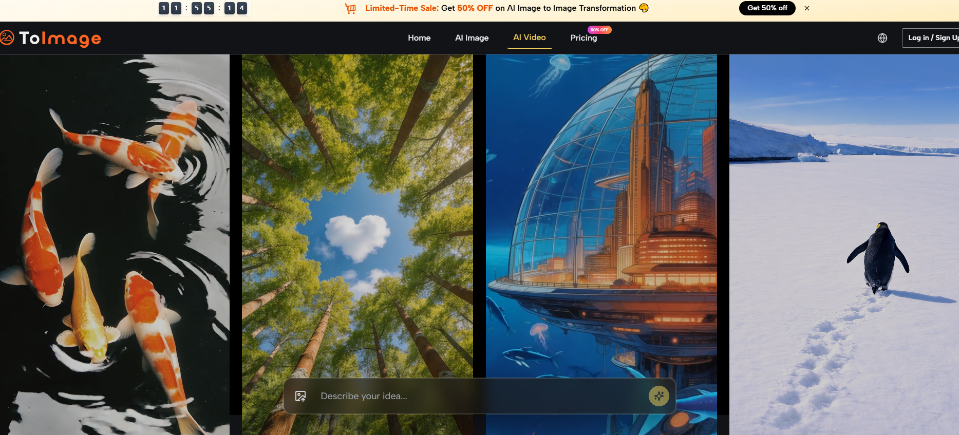
For a content desk, the workspace is most valuable as a routing layer, not a leaderboard. Toimage AI gives the team different ways to preserve identity, target a local change, or explore quickly across real campaign formats.
The decision should begin with the cost of being wrong. If the worst outcome is a bland background, optimize for exploration. If it is a broken price or altered product, optimize for controlled revision. That simple question produces better model choices than chasing whichever name is currently attracting the most attention.
The routing labels also make campaign postmortems shorter and much more specific. When a campaign asset fails, the team can ask whether it chose the wrong risk bucket, the wrong model strength, or a weak acceptance check. That produces a change the next brief can use. “Try harder next time” never does.

Alexia is the author at Research Snipers covering all technology news including Google, Apple, Android, Xiaomi, Huawei, Samsung News, and More.