Benefits are controversial, but the UK still bans social media for under-16s
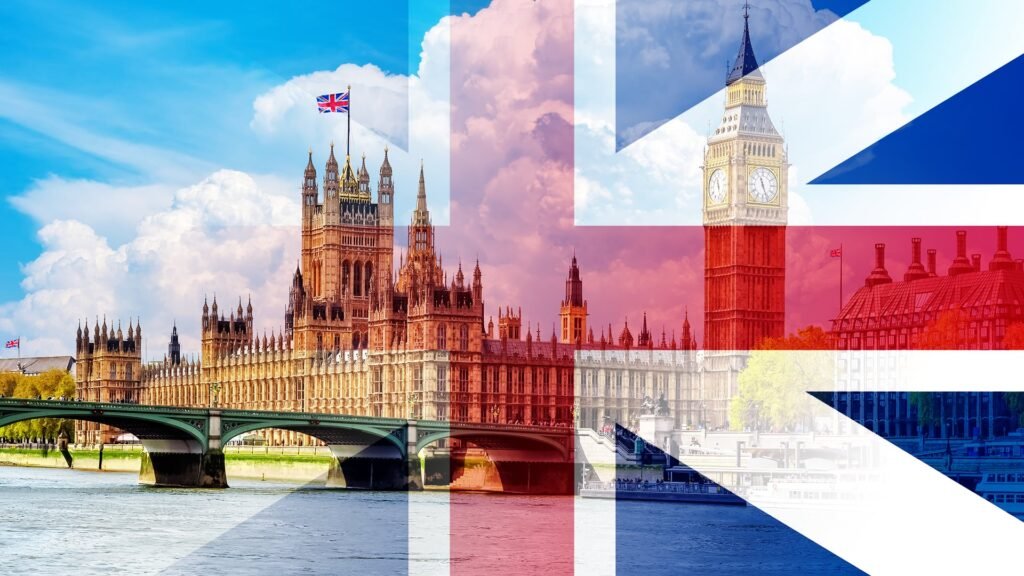
The British government is planning a far-reaching social media ban for young people under the age of 16. From spring 2027, platforms such as TikTok, Instagram and YouTube will be blocked for this age group. However, messengers remain permitted.
Strict social media ban
British Prime Minister Keir Starmer today announced legislation banning young people under 16 from using social media in the UK. The planned project should be presented to parliament by Christmas and come into force in spring 2027. The government’s move is responding to growing societal concerns about the mental health of children and young people in the digital space. Large platforms such as TikTok, YouTube, Snapchat, Instagram, Facebook and X are directly affected by the planned ban. Pure messenger services such as WhatsApp or Signal, however, are not subject to the new ban. At the presentation, Starmer emphasized that the enforcement of age limits rests with the technology companies and not with the children affected or their parents themselves. The platforms must therefore ensure compliance.
Protection from external contacts
Writes CNN The British model goes further than a similar law in Australia (but its effect is very limited). In addition to simply blocking access, the government is planning additional, far-reaching protective measures. This includes blocking live streaming functions and preventing all minors on the platforms from communicating directly with strangers. This is intended to increase protection. For young people aged 16 and 17, the protective mechanisms on the networks should always be activated by default. The authorities are also examining further technical restrictions. The following measures are currently under discussion for the protection of minors:
Technology companies are already critical of the political plans. Representatives from Meta and YouTube argue that blanket bans could push young people into unregulated and anonymous areas of the Internet. Instead of completely blocking access, the affected companies are calling for the expansion of parental control tools and educational campaigns for families.
Doubts about implementation
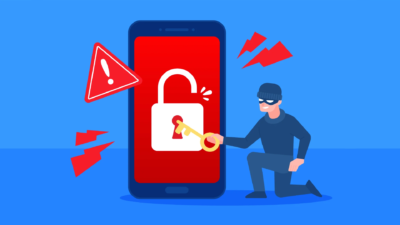
Cybersecurity software developers doubt the technical feasibility of the upcoming law. Experience from Australia shows that young people often successfully circumvent such regional barriers. Commercial VPN subscriptions there often cost less than ten euros per month. Shortly before the ban came into force there, the number of downloads of such services rose sharply in order to disguise country-specific restrictions. This makes control much more difficult. Child protection organizations such as the National Society for the Prevention of Cruelty to Children, however, welcome the government’s initiative as an important step. At the same time, they also warn against viewing the ban as a panacea for the protection of minors. The real challenge remains regulating the harmful algorithms that target extreme content to young users and control their usage behavior.